
The first time I stepped off the AVE high-speed train in Madrid, luggage in one hand and a crumpled napkin map in the other, I realized Spain was going to ruin every other country for me. That was three trips ago. This time, I spent seven days tracing the classic route from Barcelona south through Madrid, Seville, and Granada, eating my weight in jamon iberico, getting lost in Moorish palaces, and staying out until 3 a.m. because that is simply what you do here. What follows is every detail you need to repeat this route yourself, from exact train costs to the tapas bars where locals actually eat. I have walked every cobblestone street mentioned here, paid every bill listed, and made every mistake so you do not have to.
The route is simple and elegant: two days in Barcelona, two in Madrid, two in Seville, and a final unforgettable day in Granada. Spain’s rail network makes this itinerary seamless, and you will cover roughly 1,200 kilometers without ever needing a rental car. Whether you are a budget backpacker sleeping in hostels or a splurge traveler booking boutique hotels, this guide has you covered.
1. BARCELONA’S SAGRADA FAMILIA AND THE GOTHIC QUARTER
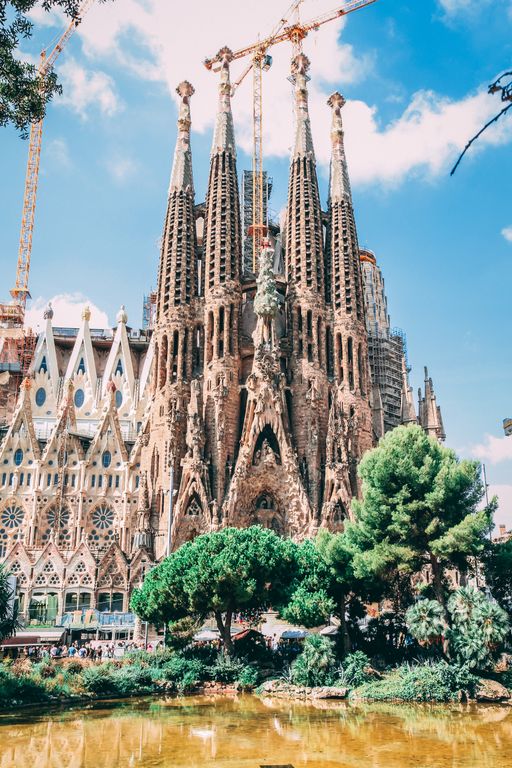
I arrived at Barcelona Sants station just before noon on a Monday and took the metro straight to my hotel near Placa Catalunya. Drop your bags and head directly to Sagrada Familia — this is non-negotiable. Book tickets online at least two weeks in advance because walk-ups are almost never available. General admission costs 26 EUR (28 USD), and the tower access upgrade runs 36 EUR (39 USD). I paid for the towers and do not regret a single cent. The Nativity Facade tower offers the best views, with spiraling staircases that feel like ascending the inside of a seashell. Give yourself at least 90 minutes inside the basilica. The way afternoon light pours through the stained glass on the western wall, turning the entire nave into a kaleidoscope, made me set down my camera and just stand there.
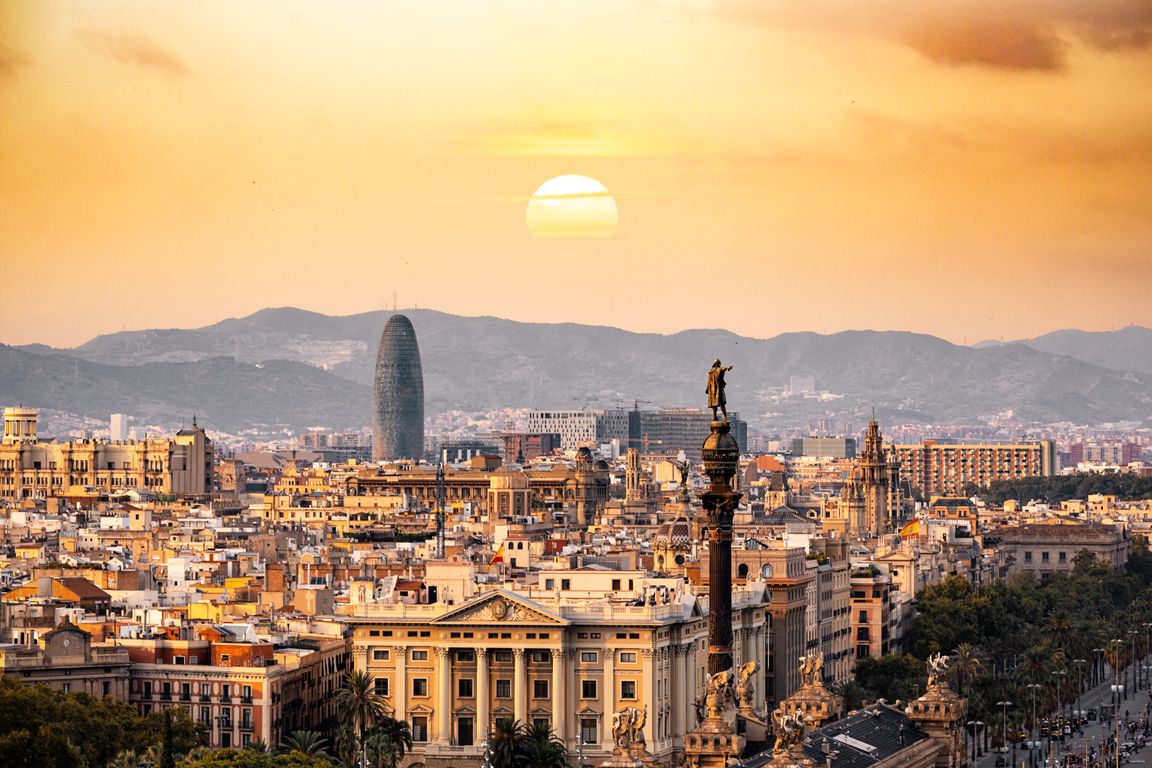
After Sagrada Familia, take the metro to Jaume I and plunge into the Barri Gotic, Barcelona’s Gothic Quarter. This is a maze of narrow medieval streets where every turn reveals a hidden square, a guitarist playing flamenco, or a tiny wine bar that has been pouring cava since your grandparents were born. Do not follow a map here — getting lost is the point. Find your way to Placa Reial, a grand arcaded square with palm trees and Gaudi-designed lampposts, and grab a seat at Cafe de l’Opera on La Rambla for a cortado (2.80 EUR / 3 USD). Yes, it is on La Rambla, and yes, locals will tell you to avoid La Rambla, but this particular cafe has been open since 1929 and deserves an exception.
For dinner on your first night, walk to El Xampanyet in the Born neighborhood. This standing-room-only cava bar has hand-painted tiles on the walls and serves anchovy-topped montaditos for 3 EUR (3.25 USD) each alongside house cava at 2.50 EUR (2.70 USD) per glass. The sardines are extraordinary. It closes early by Spanish standards — around 11 p.m. — so arrive by 8:30 p.m. to snag a spot at the bar. I was shoulder-to-shoulder with a retired Catalan couple who insisted I try the white anchovies. They were right.
If you are staying in the Gothic Quarter, I recommend Hotel Neri for a splurge (rooms from 220 EUR / 238 USD per night) — it occupies a restored 18th-century palace on a quiet square. For budget travelers, Generator Barcelona near Gracia offers dorm beds from 28 EUR (30 USD) and has a rooftop terrace with panoramic views.
Planning tip: Buy a T-Casual card for Barcelona’s metro — 10 rides for 11.35 EUR (12.25 USD), which is dramatically cheaper than single tickets at 2.40 EUR each. The card works on the metro, bus, and tram within Zone 1.
2. PARK GUELL, LA BOQUERIA, AND BARCELONETA BEACH
Day two in Barcelona starts early. Park Guell opens at 9:30 a.m. for the ticketed Monumental Zone (10 EUR / 10.80 USD, book online), and I cannot stress enough how different the experience is at opening versus midday. When I arrived at 9:15 a.m., there were maybe thirty people in line. By 11 a.m., the queue snaked down the hillside. The mosaic bench that wraps around the terrace offers jaw-dropping views of the city stretching to the Mediterranean, and Gaudi’s gingerbread-style gatehouses look like they belong in a fever dream. Budget about 90 minutes for the park, then walk downhill through the residential streets of Gracia, stopping at Federal Cafe on Carrer del Parlament for brunch — their avocado toast with poached eggs runs 12 EUR (13 USD) and the flat whites are textbook perfect.
By late morning, you should be at Mercat de la Boqueria on La Rambla. This is one of Europe’s greatest food markets, but I have a warning: the stalls nearest the entrance are tourist traps selling overpriced fruit cups. Walk to the back and center of the market where the locals shop. Bar Pinotxo, the tiny counter just inside to the right, is legendary — the chickpeas with blood sausage cost 8 EUR (8.65 USD) and Juanito behind the counter will greet you like a long-lost cousin. For the freshest seafood, find El Quim de la Boqueria and order the fried eggs with baby squid (12 EUR / 13 USD). Both bars fill up by 1 p.m., so plan accordingly.
Spend the afternoon at Barceloneta Beach. The metro drops you a five-minute walk from the sand, and while this is not Spain’s most pristine beach, there is something magical about swimming in the Mediterranean with Gaudi’s skyline at your back. Rent a sunbed for 8 EUR (8.65 USD) or just lay your towel on the free sand like everyone else. When hunger strikes, skip the beachfront restaurants and walk one block inland to La Cova Fumada, a no-frills workers’ bar that invented the bomba — a fried potato ball stuffed with meat and drowned in aioli and spicy sauce. Bombas cost 2.50 EUR (2.70 USD) each. There is no sign outside. The walls are yellowed from decades of frying. It is perfect.
End the evening with sunset drinks at La Caseta del Migdia, a hidden bar on Montjuic hill that you reach via a forest path. Beers cost 3.50 EUR (3.80 USD), and the terrace overlooks the sea. It is the kind of place that makes you wonder why you do not live in Barcelona. Locals will tell you about it in a conspiratorial whisper, as if it is still a secret, even though it has been on travel blogs for years. It is still worth going.
Planning tip: Barceloneta has a pickpocket problem. Leave your passport at the hotel, carry only the cash you need, and keep your phone in a front pocket or crossbody bag. I watched two attempts during a single afternoon — both targeting distracted sunbathers with bags on the sand.
3. A DEEP DIVE INTO SPANISH FOOD
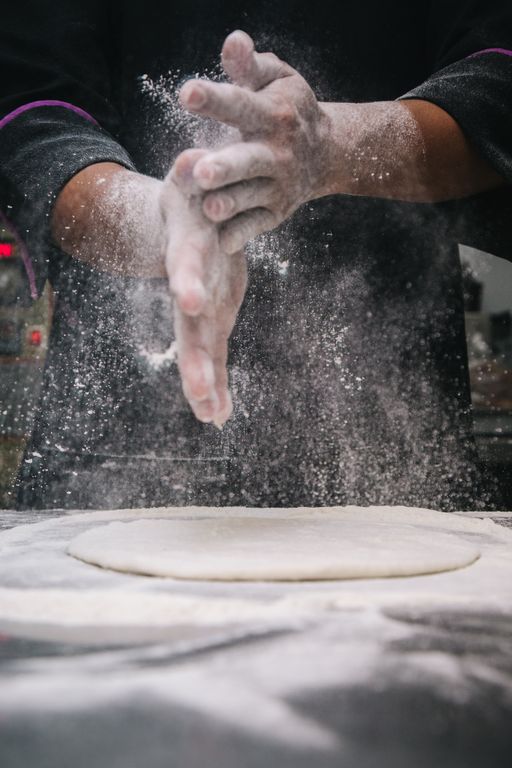
Spain is not a country where you eat to live. You live to eat. I need to dedicate an entire chapter to the food because understanding Spanish cuisine will transform your trip from good to transcendent. Let me walk you through the essentials.
Tapas are small shared plates, and the culture varies by city. In Barcelona, you typically pay for each dish. In Granada — and this is one of many reasons Granada is magical — you get a free tapa with every drink. A 2.50 EUR beer might come with a plate of albondigas or a generous slice of tortilla espanola. In Madrid, the tapas scene centers on neighborhoods like La Latina, where Calle Cava Baja is lined with bars competing for your attention. The non-negotiable tapas to try: jamon iberico de bellota (acorn-fed ham, 18-24 EUR / 19-26 USD per plate at a good bar), croquetas de jamon (ham croquettes, usually 6-8 EUR / 6.50-8.65 USD for four), patatas bravas (fried potatoes with spicy sauce, 5-7 EUR / 5.40-7.55 USD), and gambas al ajillo (garlic shrimp sizzling in olive oil, 10-14 EUR / 10.80-15.10 USD).
Paella deserves its own paragraph and a stern warning. Authentic paella comes from Valencia, and Valencians will fight you about this. The real deal is made with short-grain bomba rice, saffron, and traditionally rabbit and snails — not seafood. That said, seafood paella is everywhere on the coast and can be excellent when done right. Never order paella from a restaurant that displays photos of it on the sidewalk. Never order it for dinner — paella is a lunch dish. In Barcelona, Can Paixano near Barceloneta does a respectable seafood paella for 14 EUR (15.10 USD) per person with a two-person minimum. In Madrid, La Barraca on Calle de la Reina has been serving paella since 1935, and their mixed paella runs 22 EUR (23.75 USD) per person.
Pintxos (pronounced PEEN-chohs) are the Basque Country’s answer to tapas — small bites served on bread, usually skewered with a toothpick. While the best pintxos are in San Sebastian, you will find excellent pintxos bars in Barcelona and Madrid. In Barcelona, head to Euskal Etxea in the Born neighborhood, where each pintxo costs 2-3 EUR (2.15-3.25 USD). Grab a plate, take what looks good from the bar, and they count your toothpicks at the end. The txistorra (Basque sausage) pintxo is my favorite. And finally, churros con chocolate. In Madrid, there is only one place: Chocolateria San Gines, open since 1894, serving thick hot chocolate with freshly fried churros 24 hours a day. A plate of six churros with chocolate costs 4.50 EUR (4.85 USD). Go at 2 a.m. after a night out and thank me later.
One thing that catches travelers off guard: Spanish meal times. Lunch is from 2 to 4 p.m., dinner starts at 9 p.m. at the earliest, and many restaurants do not hit full swing until 10 p.m. If you show up at a restaurant at 6:30 p.m. asking for dinner, you will either find it closed or be the only person in the room. Adjust your body clock. Have a late breakfast, eat a big lunch, snack on tapas around 7 p.m., and sit down for dinner at 9:30 p.m. Within two days, it will feel natural, and you will wonder why the rest of the world eats so absurdly early.
Planning tip: Download the ElTenedor (TheFork) app before your trip. It is Spain’s most-used restaurant reservation platform, and many restaurants offer 20-50 percent discounts for booking through it. I saved over 40 EUR across the week by using it consistently.
4. MADRID’S PRADO, RETIRO PARK, AND GRAN VIA
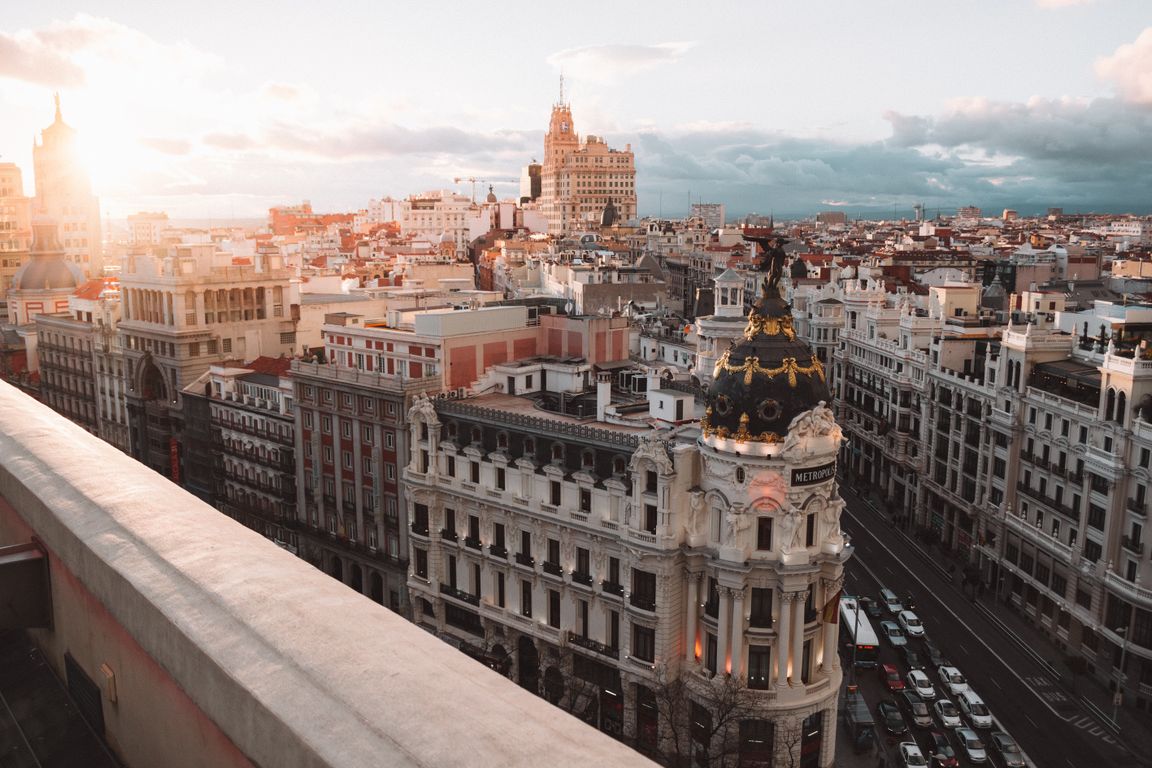
The AVE high-speed train from Barcelona Sants to Madrid Puerta de Atocha takes 2 hours and 30 minutes and costs between 25 and 90 EUR (27-97 USD) depending on how far in advance you book. I snagged a one-way ticket for 31 EUR by booking three weeks out on the Renfe website. Pro tip: Renfe releases tickets 60 to 90 days in advance, and the cheapest fares sell out within the first week.
Drop your bags near Sol or Huertas — both neighborhoods put you within walking distance of everything. I stayed at Dear Hotel Madrid near Gran Via (rooms from 140 EUR / 151 USD), which has a rooftop pool and sweeping views of the Royal Palace. Budget travelers should look at The Hat Madrid near Plaza Mayor, where dorms start at 24 EUR (26 USD) and the rooftop bar is the best social scene in the city for solo travelers.
Head straight to the Museo del Prado. General admission is 15 EUR (16.20 USD), but here is the insider move: the museum offers free entry Monday through Saturday from 6 to 8 p.m. and Sundays from 5 to 7 p.m. The catch is the line can be brutal during free hours, so I recommend paying full price and arriving at opening time (10 a.m.) for a calmer experience. Go directly to Room 12 for Velazquez’s Las Meninas, arguably the most important painting in Spanish art history. Then find Goya’s Black Paintings in Rooms 67 and 68 — these are dark, disturbing, and utterly mesmerizing. Hieronymus Bosch’s The Garden of Earthly Delights is in Room 56A, and I spent twenty minutes trying to decode its surreal panels. Three hours is enough for the highlights. Do not try to see everything or you will leave exhausted and remember nothing.
After the Prado, walk five minutes east to Parque del Retiro, Madrid’s grand park. Rent a rowboat on the Estanque Grande lake for 6 EUR (6.50 USD) per 45 minutes and paddle around the monument to Alfonso XII. Then find the Palacio de Cristal, a stunning glass pavilion built in 1887 that hosts free contemporary art exhibitions. Walk through the rose garden, grab an ice cream from one of the park vendors (3 EUR / 3.25 USD for a double scoop), and remind yourself that this is a Tuesday afternoon and life could be worse.
In the evening, stroll down Gran Via, Madrid’s answer to Broadway. This grand boulevard buzzes with energy — neon signs, grand Art Deco cinemas converted to theaters, and some of the best people-watching in Europe. Duck into Museo Chicote, a cocktail bar that opened in 1931 and served drinks to Hemingway, Ava Gardner, and Frank Sinatra. Classic cocktails run 12-15 EUR (13-16.20 USD), but you are paying for liquid history.
Planning tip: Get the Paseo del Arte card for 32 EUR (34.55 USD), which grants access to the Prado, Reina Sofia, and Thyssen-Bornemisza museums. Individually they would cost 41 EUR, so you save nearly 10 EUR if you plan to visit all three.
5. MADRID NIGHTLIFE AND FLAMENCO
Madrid does not sleep. This is not a travel cliche — it is an observable fact. On a Wednesday night in the Malasana neighborhood, I walked past packed bars at 1:30 a.m. and saw families with small children eating ice cream at midnight. The city’s nightlife culture is not about clubbing (though that exists); it is about socializing late because the heat of the day makes evenings the most pleasant time to be alive.
Start your night in La Latina around 9 p.m. with tapas along Calle Cava Baja. Hit Casa Lucas for creative tapas (their oxtail croquettes at 8 EUR / 8.65 USD are extraordinary) and then Juana la Loca for their famous tortilla espanola — served slightly runny in the center, as God intended, for 14 EUR (15.10 USD). After tapas, walk to Malasana via Plaza de Espana. This neighborhood is Madrid’s creative heart, full of vintage shops, street art, and bars that range from craft beer joints to underground jazz clubs. Cafe Comercial, recently restored, has marble tables and high ceilings and pours an excellent Rioja for 4.50 EUR (4.85 USD).
For flamenco, skip the large tablao shows marketed to tourists and seek out something more intimate. Casa Patas in the Huertas neighborhood is the gold standard — a medium-sized venue where serious artists perform. Shows cost 40 EUR (43.20 USD) including one drink, and performances start at 10:30 p.m. Book in advance through their website. The show I saw featured a bailaora whose footwork was so fast it sounded like a drum roll, and a cantaor whose voice made the woman next to me cry. That is flamenco done right. For a free alternative, walk into any bar in the Triana neighborhood of Seville (more on that later) on a weekend night and you might stumble into an impromptu session that will pin you to your seat.
If you want to experience Madrid’s club scene, the neighborhood of Chueca is the epicenter of LGBTQ+ nightlife, while Kapital near Atocha is a seven-floor mega-club that plays everything from techno to reggaeton (cover 15-20 EUR / 16.20-21.60 USD, includes one drink). Clubs do not fill up until 2 a.m., which means your pre-game is someone else’s entire night out. I made it until 4 a.m. on my first attempt and 5:30 a.m. on my second, fueled entirely by tintos de verano (red wine with lemon soda, 3.50 EUR / 3.80 USD) and the terrifying realization that I had a museum visit booked for 10 a.m.
A word on safety at night: Madrid is one of Europe’s safest capitals after dark. I walked home alone through the center at 3 a.m. multiple times without issue. That said, use common sense — avoid poorly lit side streets, keep an eye on your belongings in crowded bars, and be wary of the classic distraction-theft technique where someone bumps into you on the metro. The biggest danger in Madrid at night is honestly the temptation to eat a fourth serving of churros at San Gines at 3 a.m.
Planning tip: If you attend a flamenco show, do not clap along unless the performers invite it. The rhythmic structure (compas) is complex, and off-beat clapping is distracting. Instead, shout “Ole!” during emotional peaks — the performers feed off this energy.
6. SEVILLE’S ALCAZAR AND CATHEDRAL
The AVE from Madrid to Seville takes 2 hours and 20 minutes. I paid 45 EUR (48.60 USD) for a one-way ticket booked 10 days in advance. Seville hit me like a wall of heat and beauty the moment I stepped off the train. This city runs at a different speed. People move slower. Conversations last longer. Lunch stretches to 4 p.m. If Barcelona is Spain’s cosmopolitan showpiece and Madrid its energetic heart, Seville is its soul.
Check into a hotel in the Santa Cruz neighborhood to be walking distance from everything. I stayed at Hotel Amadeus, a music-themed boutique hotel in a converted 18th-century mansion (rooms from 130 EUR / 140 USD), where there is a piano in the lobby and a rooftop terrace overlooking the cathedral. Budget travelers should consider La Banda Rooftop Hostel (dorms from 22 EUR / 24 USD), which has a pool on the roof — absolutely essential in a city where summer temperatures regularly hit 40 degrees Celsius.
Head to the Real Alcazar first thing in the morning. This palace complex dates to the 10th century and blends Moorish, Gothic, Renaissance, and Baroque architecture into something that should not work but is staggeringly beautiful. Admission is 14.50 EUR (15.65 USD), and you must book a timed entry online. The Patio de las Doncellas is the centerpiece — a sunken garden surrounded by intricately carved stucco arches and glazed tiles that took Moorish artisans decades to complete. The upstairs royal apartments (additional 6 EUR / 6.50 USD) are worth it for the tapestries and the views over the gardens. Game of Thrones fans will recognize the gardens as the Water Gardens of Dorne. I spent three hours here and could have stayed longer.
The Catedral de Sevilla is directly next door — the largest Gothic cathedral in the world and the third largest church of any kind. Admission costs 12 EUR (13 USD) and includes access to the Giralda, the bell tower that was originally a Moorish minaret. There are no stairs inside the Giralda — instead, you climb 35 ramps that were designed wide enough for guards on horseback. The view from the top across Seville’s white rooftops is the best in the city. Inside the cathedral, find the tomb of Christopher Columbus, carried by four bronze kings representing the kingdoms of Spain. Whether his actual remains are inside is still debated, but the monument is magnificent regardless.
In the evening, cross the river to Triana, the historically working-class neighborhood that is the birthplace of Seville’s flamenco and ceramics traditions. Walk along Calle Betis for riverside views, then duck into Casa Anselma — a tiny bar with no sign where the owner, Anselma, leads spontaneous flamenco sessions most nights. There is no cover charge, but you buy drinks (beer 3 EUR / 3.25 USD) and you do not take photos. The authenticity here is raw and electric. I ended up staying until 2 a.m. watching a sixty-year-old woman dance with more passion than I have ever felt about anything in my life.
Planning tip: Visit Seville between March and May or September and November. July and August are brutally hot — temperatures exceed 40 degrees Celsius regularly, and sightseeing becomes a survival exercise. If you must visit in summer, do all outdoor activities before noon and after 7 p.m., and embrace the siesta.
7. GRANADA’S ALHAMBRA AND ALBAICIN
Getting from Seville to Granada takes about 3 hours by bus (the ALSA company operates frequent departures for 23 EUR / 25 USD one-way) or you can take the recently launched AVE train connection in under 90 minutes for 30-50 EUR (32-54 USD). I took the bus because I had booked late, and the journey through the Andalusian countryside — rolling olive groves as far as the eye can see — was beautiful enough to justify the extra time.
Granada has one must-see that eclipses everything else: the Alhambra. This 13th-century Nasrid palace complex is the finest example of Moorish architecture in Europe, and visiting it was the emotional peak of my entire trip. General admission is 19 EUR (20.50 USD) and includes the Alcazaba fortress, the Generalife gardens, and the Nasrid Palaces. Here is the critical detail: tickets sell out weeks in advance, especially for the Nasrid Palaces, which have timed entry slots limited to 300 people per half-hour. Book on the official Patronato de la Alhambra website the moment tickets become available, which is typically 90 days before your visit. If tickets are sold out, check back at midnight Spanish time — cancellations are released in batches. I cannot overstate this: do not show up in Granada without Alhambra tickets. You will not get in.
Inside the Nasrid Palaces, the Patio de los Leones is the moment your jaw hits the floor. Twelve marble lions support a fountain at the center of a courtyard surrounded by 124 slender columns, with walls covered in carved stucco so intricate it looks like lace frozen in stone. The Sala de los Abencerrajes has a star-shaped muqarnas ceiling that is considered one of the greatest achievements of Islamic art. I stood there craning my neck for ten minutes, trying to understand how human hands created something so mathematically perfect in the 14th century. The Generalife gardens afterward are a gentle cool-down — water channels, cypress groves, and views across the valley to the whitewashed neighborhood of Albaicin.
After the Alhambra, walk downhill into the Albaicin, Granada’s old Moorish quarter and a UNESCO World Heritage Site. The narrow streets twist uphill past whitewashed houses draped in jasmine, and every few steps you catch a glimpse of the Alhambra across the valley. Make your way to the Mirador de San Nicolas for the classic sunset view — the Alhambra glowing amber against the Sierra Nevada mountains. Arrive at least 45 minutes before sunset to claim a spot. There will be buskers playing Spanish guitar, vendors selling roasted chestnuts, and an atmosphere so romantic that half the crowd appears to be proposing to the other half.
Dinner in Granada should involve the free tapas tradition. Walk along Calle Navas and Calle Elvira, ordering a round of drinks at each bar and receiving a complimentary tapa with every order. At Bodegas Castaneda, my 2.80 EUR (3 USD) beer came with a generous plate of grilled chorizo. At Bar Los Diamantes, the same-priced beer arrived with a heap of fried anchovies. By your fourth bar, you will have eaten a full meal for the cost of four drinks — roughly 11 EUR (12 USD). This is not a gimmick; this is how Granada has worked for generations, and it is glorious.
Planning tip: If Alhambra tickets are genuinely sold out, the Alhambra Card (45 EUR / 48.60 USD) sometimes has separate availability and includes city bus rides and access to other monuments. Alternatively, the Generalife gardens and Alcazaba can be visited without a Nasrid Palace timed slot for 9 EUR (9.70 USD), which is still worthwhile.
8. GETTING AROUND SPAIN: TRAINS, BUSES, AND METRO
Spain’s transport infrastructure is excellent, and navigating this route without a car is not just possible — it is preferable. Here is everything you need to know about getting between cities and getting around within them.
The AVE high-speed trains operated by Renfe are the backbone of intercity travel in Spain. They are fast, comfortable, and remarkably affordable if you book early. Barcelona to Madrid takes 2 hours 30 minutes. Madrid to Seville takes 2 hours 20 minutes. Seville to Granada is now connected by AVE, taking about 1 hour 20 minutes. Book through the Renfe website or app. Prices are dynamic — I paid as little as 25 EUR (27 USD) and as much as 45 EUR (48.60 USD) for the same route at different booking windows. The sweet spot is booking 3 to 4 weeks in advance. First class (Preferente) costs roughly double economy (Turista) but includes wider seats, meals, and lounge access. For this route, economy is perfectly comfortable.
ALSA is Spain’s main intercity bus company and is the budget alternative for routes where trains are expensive or unavailable. Seville to Granada by bus costs 23 EUR (25 USD) and takes about 3 hours. Buses are air-conditioned, have WiFi, and are perfectly fine. Book on the ALSA website or app. Iryo and Ouigo are newer private train operators competing with Renfe on the Madrid-Barcelona route, occasionally offering fares as low as 9 EUR (9.70 USD). Check all three operators before booking.
Within cities, the metro is your best friend. Barcelona’s metro is extensive, clean, and runs from 5 a.m. to midnight (24 hours on Saturdays). A T-Casual card (10 trips) costs 11.35 EUR (12.25 USD). Madrid’s metro is one of the largest in Europe with 13 lines, and a 10-trip card costs 12.20 EUR (13.15 USD). Seville has a smaller metro and tram system, but the historic center is compact enough to walk. Granada is almost entirely walkable. For all cities, Cabify is the local ride-hailing alternative to Uber and is generally cheaper — a ride across central Madrid rarely exceeds 8 EUR (8.65 USD).
One transportation warning: do not rent a car for this itinerary. City centers in Spain have restricted traffic zones (ZBE – Zonas de Bajas Emisiones), and driving into them without a local emissions sticker results in fines of 200 EUR (216 USD). Parking in city centers is expensive (20-35 EUR per day) and stressful. The train and metro system is so good here that a car is a liability, not an asset.
Planning tip: Download the Renfe Ticket app and the ALSA app before departure. Both allow mobile ticketing, so you do not need to print anything. For real-time metro navigation, Citymapper works in Barcelona and Madrid and is more reliable than Google Maps for public transit timing.
9. BUDGET BREAKDOWN: WHAT SPAIN ACTUALLY COSTS
Spain is extraordinarily good value for Western Europe. It is noticeably cheaper than France, Italy, the UK, or Scandinavia, and you can have a rich, comfortable experience without emptying your savings. Below is a realistic per-person, per-day breakdown based on my actual spending across three budget tiers.
| Category | Budget (EUR / USD) | Mid-Range (EUR / USD) | Splurge (EUR / USD) |
|---|---|---|---|
| Accommodation (per night) | 24-30 / 26-32 (hostel dorm) | 90-140 / 97-151 (3-star hotel or boutique) | 200-350 / 216-378 (4-5 star hotel) |
| Breakfast | 4-6 / 4.30-6.50 (cafe con leche and tostada) | 8-12 / 8.65-13 (cafe brunch) | 15-25 / 16.20-27 (hotel breakfast) |
| Lunch | 10-14 / 10.80-15.10 (menu del dia) | 15-22 / 16.20-23.75 (sit-down restaurant) | 30-50 / 32.40-54 (upscale restaurant) |
| Dinner | 12-18 / 13-19.45 (tapas crawl) | 25-35 / 27-37.80 (restaurant with wine) | 50-80 / 54-86.40 (fine dining) |
| Transport (daily within city) | 3-5 / 3.25-5.40 (metro card) | 5-10 / 5.40-10.80 (metro plus occasional taxi) | 15-30 / 16.20-32.40 (taxis and Cabify) |
| Sightseeing | 10-15 / 10.80-16.20 (free entry hours, parks) | 15-25 / 16.20-27 (paid admissions) | 25-40 / 27-43.20 (guided tours, skip-the-line) |
| Daily Total | 63-88 / 68-95 | 158-244 / 171-263 | 335-575 / 362-621 |
| 7-Day Total | 441-616 / 476-665 | 1,106-1,708 / 1,194-1,844 | 2,345-4,025 / 2,533-4,347 |
A few notes on these numbers. The menu del dia is the budget traveler’s secret weapon. Nearly every restaurant in Spain offers a fixed-price lunch menu that includes a starter, main course, dessert, bread, and a drink (wine, beer, or water) for 12-16 EUR (13-17.30 USD). This is not tourist food — this is how working Spaniards eat lunch every day. I had some of my best meals on menu del dia, including a three-course lunch with wine at Casa Dani in Madrid’s Mercado de la Paz for 14.50 EUR (15.65 USD) that was better than restaurants charging three times as much.
Intercity transport should be budgeted separately from your daily spending. My total transport costs for the Barcelona-Madrid-Seville-Granada route came to 99 EUR (107 USD) by booking trains and buses 2-3 weeks ahead. With last-minute booking, the same route could run 160-200 EUR (173-216 USD). Flights between cities are sometimes cheaper than trains if booked early through Vueling or Ryanair, but factor in airport transfer time and baggage fees before assuming a flight is the better deal.
Planning tip: Spain is still largely a cash-friendly country, but credit cards are accepted almost everywhere in cities. Always carry some cash for small bars, market stalls, and tips. ATMs (cajeros) from major banks like CaixaBank and BBVA do not charge foreign transaction fees on their end, though your bank may. Withdraw larger amounts less frequently to minimize fees.
10. CULTURAL ETIQUETTE AND SAFETY IN SPAIN
Spain is one of the friendliest countries in Europe for travelers, and violent crime against tourists is extremely rare. That said, understanding local customs will deepen your experience and help you avoid the few pitfalls that exist.
Pickpocketing is the primary safety concern, concentrated in Barcelona (La Rambla, the metro, Barceloneta Beach) and to a lesser extent Madrid (Sol, Gran Via, the metro). The techniques are sophisticated — teams work together using distraction, and they specifically target tourists with visible cameras, open bags, and phones in back pockets. My rules: use a crossbody bag with a zipper, keep your phone in a front pocket, never hang a bag on the back of a chair in a restaurant without wrapping the strap around your leg, and be extra vigilant in crowds. In seven trips to Spain, I have never been pickpocketed, but I have witnessed at least five attempts on other travelers.
Greetings in Spain involve two kisses on the cheek (right cheek first) between people who have been introduced, even casually. This applies to men greeting women and women greeting women. Men greeting men typically shake hands unless they are close friends. If someone leans in for the double kiss, go with it — pulling away is considered cold. In formal situations or with older people, use “usted” instead of “tu” until invited to be informal.
Tipping is not expected in Spain the way it is in the United States. A service charge is included in your bill. For exceptional service at a sit-down restaurant, rounding up or leaving 5-10 percent is appreciated but not obligatory. At tapas bars, leaving small change (coins) is standard. For drinks at a bar, tipping is rare. Do not tip 20 percent — it will confuse your server and mark you as an American who has not done their research. At hotels, 1-2 EUR per bag for porters and 2-5 EUR per day for housekeeping is generous.
A few more cultural notes. The siesta is real, especially in southern cities like Seville and Granada. Many small shops close from 2 to 5 p.m. Do not bang on closed doors — come back later. Speaking Spanish, even badly, is deeply appreciated. Learn “por favor” (please), “gracias” (thank you), “la cuenta, por favor” (the check, please), and “una cana, por favor” (a small draft beer, please) and you will be treated noticeably better than those who open with English. In Catalonia (Barcelona), the local language is Catalan, and saying “merces” (thank you in Catalan) instead of “gracias” will earn you a genuine smile. Sundays are quiet — many shops and some restaurants close, and cities feel noticeably emptier. Plan museum visits and major sightseeing for Sundays, not shopping.
Planning tip: Travel insurance is not optional. Spain has excellent public healthcare, but as a tourist you will be directed to private clinics for non-emergency care, where a simple consultation can cost 100-200 EUR (108-216 USD). I use and recommend policies that include medical coverage, trip interruption, and theft protection. A good policy costs 40-70 EUR (43-76 USD) for a one-week trip and pays for itself the moment anything goes wrong.
Your 7-Day Spain Route at a Glance
| Day | City | Highlights | Key Transport |
|---|---|---|---|
| Day 1 | Barcelona | Sagrada Familia, Gothic Quarter, El Xampanyet | Metro (T-Casual card) |
| Day 2 | Barcelona | Park Guell, La Boqueria, Barceloneta Beach | Metro and walking |
| Day 3 | Madrid | Prado Museum, Retiro Park, Gran Via | AVE train from Barcelona (2h 30m) |
| Day 4 | Madrid | La Latina tapas, flamenco at Casa Patas, nightlife | Metro and walking |
| Day 5 | Seville | Real Alcazar, Cathedral and Giralda tower | AVE train from Madrid (2h 20m) |
| Day 6 | Seville | Triana neighborhood, Casa Anselma, riverside walks | Walking and tram |
| Day 7 | Granada | Alhambra, Albaicin, Mirador de San Nicolas, tapas crawl | Bus or AVE from Seville (1.5-3h) |
This article contains affiliate links. If you book through these links, I earn a small commission at no extra cost to you — it helps keep this site running and funds future trips like this one. All opinions are my own, and I only recommend places I have personally visited and paid for.
Updated July 2026. All prices verified during most recent visit. Exchange rate used: 1 EUR = 1.08 USD. Prices may vary seasonally. Train fares are dynamic and subject to availability.
