
The wildebeest were close enough to smell — a musky, earthy wave rolling across the Serengeti plain as two million hooves drummed the cracked earth like distant thunder. I stood on the roof hatch of a battered Land Cruiser, sun-scorched and grinning, thinking: this is why you come to Tanzania. Not for the Instagram shot, though you will get it. Not for the bucket-list tick, though you will feel that too. You come because East Africa’s largest country delivers a sensory wallop that no screen can replicate — the copper sunsets over Ngorongoro, the alleyway spice clouds of Zanzibar’s Stone Town, the chaos and joy of a Dar es Salaam fish market at dawn.
Over seven days I traced a classic loop from the Indian Ocean coast to the northern safari circuit and back to the archipelago: Dar es Salaam, Arusha, the Serengeti, Ngorongoro Crater, and finally Zanzibar. The route is well-trodden for good reason — it packs Tanzania’s greatest hits into a single week without the brutal overland slogs that longer itineraries demand. I have reported on East African travel for over a decade, and this trip, updated in July 2026, confirmed what I have always believed: Tanzania is the continent’s most complete destination, blending wildlife, culture, coastline, and cuisine into something genuinely unforgettable.
1. DAR ES SALAAM AND KARIAKOO MARKET
Most travellers treat Dar es Salaam as a layover, a necessary evil between the airport and the safari circuit. That is a mistake. Tanzania’s commercial capital is a sprawling, humid, gloriously chaotic port city of over five million people, and it rewards anyone willing to sweat through its streets for a day. I dropped my bag at the Slipway Hotel on Msasani Peninsula — doubles from 185,000 TZS (about 70 USD) — and caught a bajaji three-wheeler south toward the city centre. The ride itself is an attraction: you weave through a river of dala dala minibuses, motorcycle taxis, and hawkers selling phone chargers and roasted cashews through car windows.
My target was Kariakoo Market, the largest open-air market in East Africa. The name derives from the World War I-era Carrier Corps camp that once stood here, but today it is a labyrinth of tin-roofed stalls stretching across several city blocks. The ground floor heaves with produce — pyramids of mangoes, jackfruit the size of rugby balls, sacks of dried dagaa sardines that fill the air with a sharp, briny punch. Upstairs you will find fabrics: kangas and kitenges in electric patterns, sold from around 5,300 TZS (2 USD) per piece. I spent two hours wandering, bargaining halfheartedly for a hand-carved chess set (eventually settling at 26,500 TZS, about 10 USD), and drinking fresh sugarcane juice from a vendor who crushed the stalks through a hand-cranked press right in front of me for 1,300 TZS (0.50 USD).
For lunch I walked to Mamboz Corner BBQ on Morogoro Road, a Dar institution famous for its mishkaki — beef skewers marinated in a tamarind-chilli paste and grilled over charcoal. A plate of six skewers with chips and kachumbari salad ran 10,600 TZS (4 USD). The flavours were intense, smoky, and slightly sweet. If you are feeling adventurous, order the octopus variant — Dar’s coastal location means the seafood is exceptional.
In the afternoon I visited the National Museum of Tanzania on Shaaban Robert Street. Entry is 15,900 TZS (6 USD) for foreign visitors. The fossil hall houses casts of the Laetoli footprints and Olduvai Gorge hominid remains — a fitting primer before heading to the actual sites in the north. The ethnography wing, with its collection of Makonde carvings and Maasai beadwork, is small but worthwhile. By evening I was back at the Slipway waterfront, eating grilled tilapia at The Waterfront Restaurant as dhow sails caught the last pink light over the harbour.
Planning tip: Dar es Salaam’s Julius Nyerere International Airport (DAR) is well connected to Nairobi, Addis Ababa, and Doha. Grab a Bolt or Uber from the airport to the city centre — expect to pay around 39,750 TZS (15 USD). Taxis at the rank will quote double. Avoid arriving on a Sunday when Kariakoo is largely shuttered.
2. ARUSHA GATEWAY AND COFFEE PLANTATIONS
The morning Precision Air flight from Dar to Arusha Airport (ARK) takes roughly ninety minutes and costs between 185,000 and 345,000 TZS (70 to 130 USD) if booked a few weeks ahead. As the plane descended through clouds I caught my first glimpse of Mount Meru, Kilimanjaro’s lesser-known neighbour, its summit draped in mist. Arusha sits at around 1,400 metres elevation, and after Dar’s soupy humidity the cool highland air felt like a reward.
Arusha is the safari capital of northern Tanzania. Every second shopfront is a tour operator, and touts will approach you within seconds of stepping onto the main drag. I had pre-booked with Shadows of Africa, a well-regarded mid-range operator, but I spent the morning exploring independently. The Arusha Central Market is smaller and calmer than Kariakoo but excellent for picking up Tanzanite jewellery — Arusha is the global source for this blue-violet gemstone found nowhere else on Earth. Expect to pay from 132,500 TZS (50 USD) for a small, lower-grade stone, though serious buyers should visit the certified dealers near the Tanzanite Experience Museum on India Street, where entry is free and the pressure to buy is surprisingly low.
After lunch at The Blue Heron — a garden cafe popular with expats where a burger and fresh juice costs around 21,200 TZS (8 USD) — I drove thirty minutes north to Burka Coffee Estate for an afternoon plantation tour. The walk through the arabica groves was genuinely fascinating. Our guide, a third-generation farmer named Joseph, explained the altitude, volcanic soil, and shade-tree canopy that give Tanzanian peaberry its distinctive bright acidity. We picked ripe cherries, watched them pulped and washed, and finished with a cupping session of three roast levels. The tour costs 39,750 TZS (15 USD) per person and lasts about two hours. I left with a kilogram of medium-roast beans for 26,500 TZS (10 USD) — roughly a quarter of what you would pay for the same coffee in a London speciality shop.
That night I stayed at Arusha Planet Lodge, a comfortable mid-range guesthouse with garden rooms from 106,000 TZS (40 USD) including breakfast. It is quiet, the Wi-Fi works, and the staff helped me charge camera batteries and fill water bottles for the safari ahead. Arusha has flashier options — the Gran Melia Arusha starts at around 530,000 TZS (200 USD) — but for one night before heading into the bush, the Planet Lodge was perfect.
Planning tip: Use Arusha as your safari staging point. Most reputable operators include Arusha hotel pickup in their package price. If you are arranging your own transport, a shuttle bus from Dar es Salaam takes eight to ten hours and costs around 79,500 TZS (30 USD) via Kilimanjaro Express — an option only if you enjoy long bus rides through stunning but bumpy scenery.
3. SERENGETI SAFARI AND THE GREAT MIGRATION
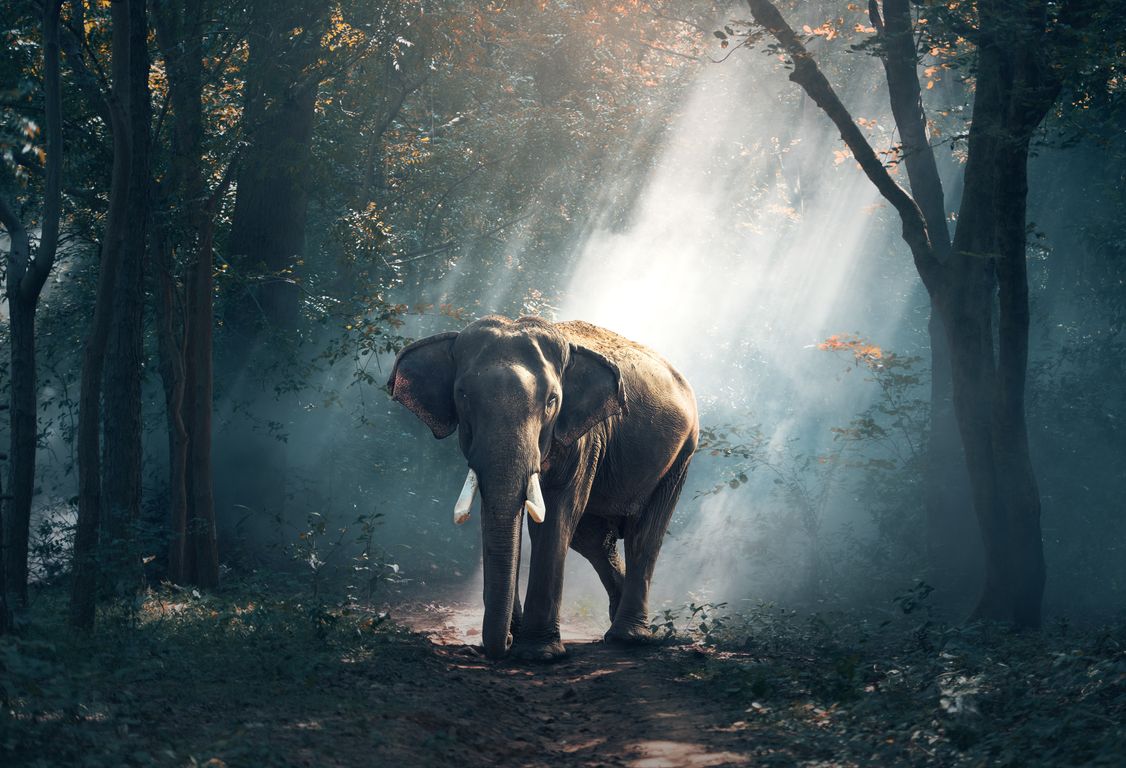
The drive from Arusha to the Serengeti’s Naabi Hill Gate takes roughly five hours, and it is not a gentle introduction. The last stretch of road beyond Ngorongoro Conservation Area rattles your fillings loose as the Land Cruiser lurches across corrugated dirt tracks. But then the Serengeti opens up — and every bruised vertebra is forgiven. The landscape is immense: an ocean of tawny grass stretching to a flat horizon under a sky so wide it feels like you could fall into it. I have seen savannahs in Kenya, Botswana, and South Africa, but the Serengeti’s sheer scale remains unmatched.
We spent two full days in the park, based at Serengeti Heritage Luxury Tented Camp in the Seronera Valley — central Serengeti. Rates run from 530,000 TZS (200 USD) per person per night on a full-board basis including two game drives daily. The tents are spacious canvas-and-wood structures with proper beds, en-suite bucket showers, and a verandah overlooking a seasonal waterhole. At night I listened to hyenas whooping in the darkness and a leopard coughing somewhere in the riverine bush. Sleep comes in fits, but the adrenaline is part of the charm.
The wildlife sightings were extraordinary. On our first afternoon drive we watched a coalition of three male cheetahs stalk and take down a Thomson’s gazelle within fifty metres of our vehicle. The kill was fast, efficient, and shocking in its proximity. Our guide, Baraka, had thirty years of bush experience and an uncanny ability to read animal behaviour — he predicted the hunt five minutes before it happened based on the cheetahs’ ear positions. On the second morning we found a pride of fourteen lions dozing under a sausage tree, cubs tumbling over the adults’ tails while a pair of jackals waited at a respectful distance. We also tallied elephants, buffalo, hippos, giraffes, spotted hyenas, and a solitary black rhino at extreme distance — completing the Big Five in under forty-eight hours.
The Great Migration, the Serengeti’s headline act, is a year-round phenomenon — the herds are always somewhere in the ecosystem. In June and July the columns typically mass in the Western Corridor and begin the dramatic Grumeti and Mara river crossings. We drove to the Grumeti River on our second afternoon and witnessed a crossing of perhaps five thousand wildebeest. The chaos was primal: animals plunging into brown water, crocodiles surging from below, dust clouds and bellowing and a smell of wet hide and fear. It lasted about twenty minutes. I shot 400 photographs and most of them are blurry because my hands were shaking.
Planning tip: Serengeti National Park entry fees are 70 USD (approximately 185,500 TZS) per person per day for non-residents, payable by card at the gate. Budget at least two nights inside the park — a single day is not enough to cover the distances. If budget allows, a charter flight from Arusha to one of the Serengeti’s airstrips with Coastal Aviation costs around 795,000 TZS (300 USD) one way and saves five hours of road travel.
4. NGORONGORO CRATER WILDLIFE
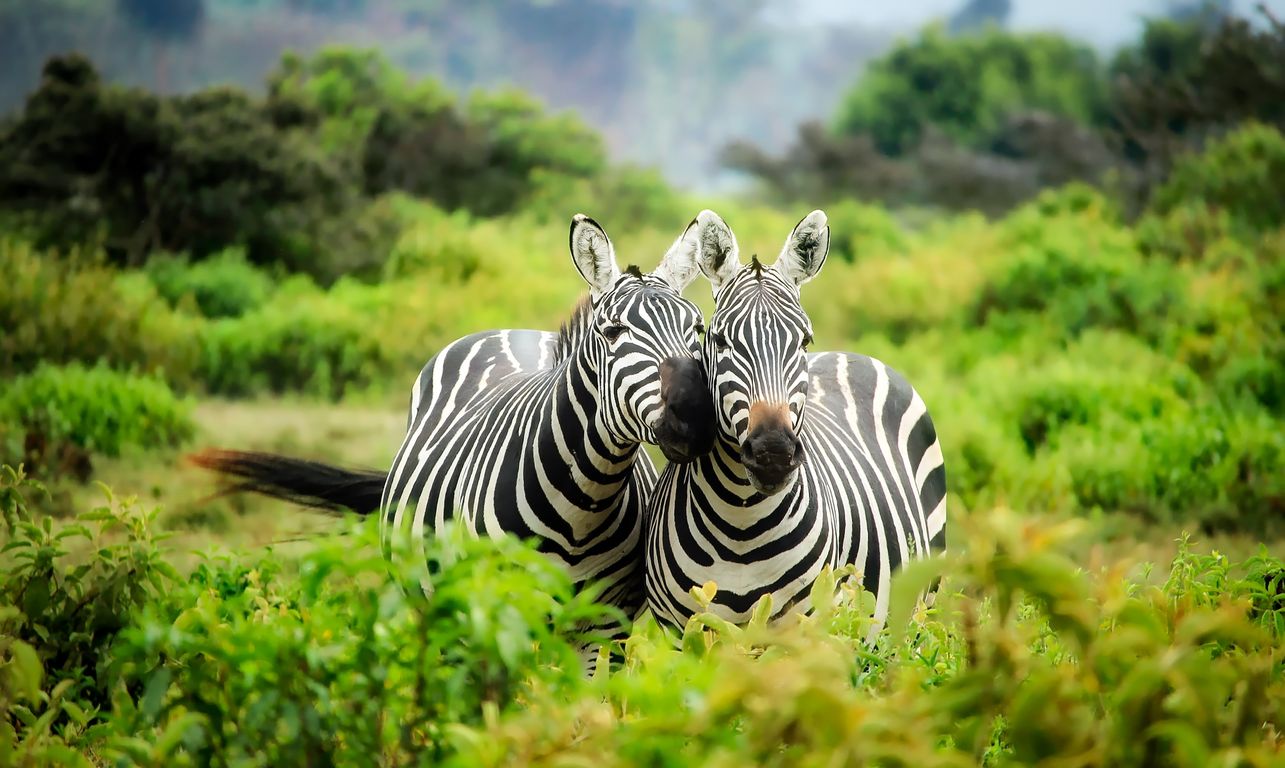
Leaving the Serengeti, we drove east across the short-grass plains and climbed the forested rim of Ngorongoro Crater. The first view from the top is one of those travel moments that genuinely stops you mid-sentence. The caldera drops 600 metres below in a near-perfect bowl roughly nineteen kilometres across, its floor a patchwork of grassland, marsh, and a shallow alkaline lake fringed with flamingos. It looks staged, impossibly beautiful, like a diorama designed by someone with unlimited budget and no sense of restraint.
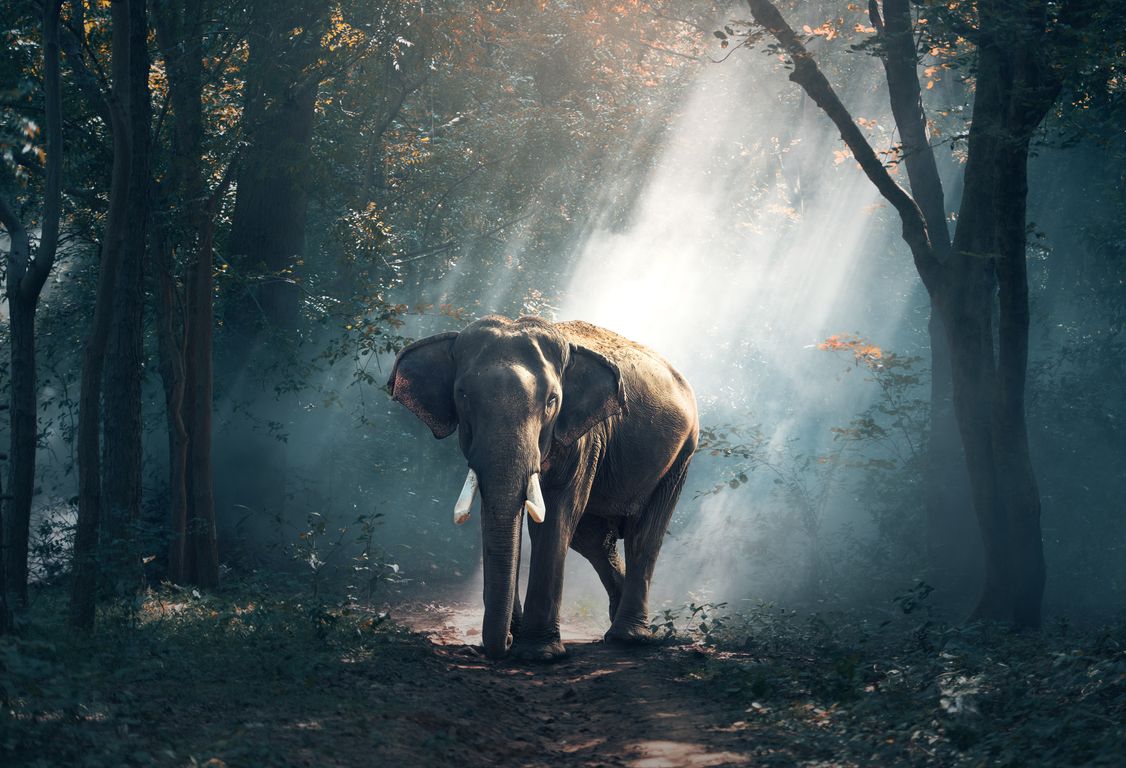
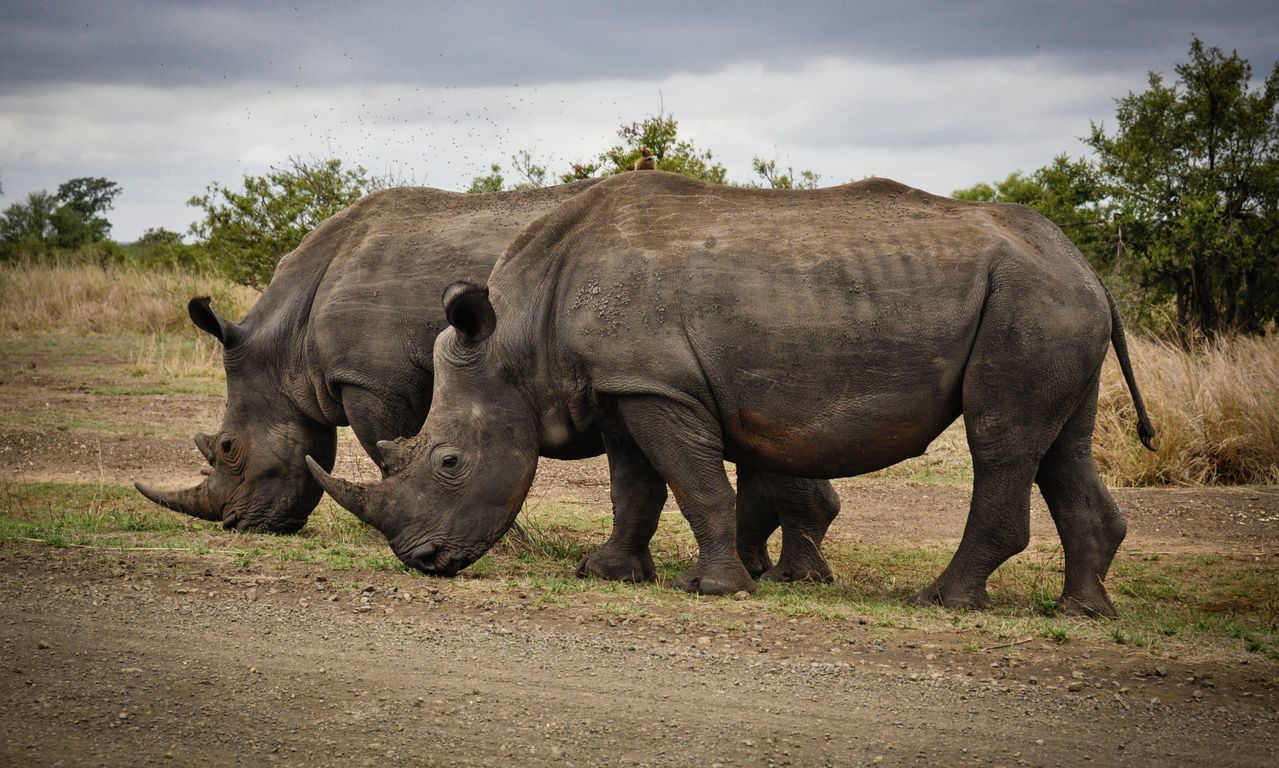
We descended the steep switchback road at dawn, when mist still pooled on the crater floor and the air temperature hovered around twelve degrees Celsius. Within the first hour we had spotted a black rhino — Ngorongoro is one of Tanzania’s most reliable locations for this critically endangered species, with an estimated twenty-six individuals resident in the crater. We also watched a lone bull elephant wading through the Gorigor Swamp, trunk sweeping left and right as egrets perched on its back. The crater’s relatively small area — just 264 square kilometres — concentrates wildlife in a way the Serengeti cannot. You are almost guaranteed lions, hyenas, zebras, wildebeest, and buffalo. The only common absence is giraffes, which cannot negotiate the steep crater walls.
For accommodation, I stayed at Ngorongoro Serena Safari Lodge, built into the crater rim with rooms that look directly into the caldera. It is a splurge at approximately 795,000 TZS (300 USD) per night for a double, but the location is unbeatable. Budget travellers can stay in Simba Campsite on the rim for around 79,500 TZS (30 USD) per person — bring warm layers, as rim temperatures drop below five degrees Celsius at night. I met a couple from Melbourne at Simba who had been woken by a buffalo grazing against their tent wall. They seemed to find this charming. I would have found it terrifying.
A half-day crater tour is sufficient for most visitors, leaving the afternoon free to visit a nearby Maasai boma. For a negotiated fee of around 53,000 TZS (20 USD) per person, a family opens their homestead to visitors, demonstrating traditional cattle herding, beadwork, and the adumu jumping dance. These visits can feel performative, but the Maasai families I spoke with were candid about the economics: tourism income supplements cattle wealth and funds school fees. The interaction felt transactional but honest, and the beadwork bracelets I bought — 13,250 TZS (5 USD) each — were beautifully made.
Planning tip: Ngorongoro Conservation Area charges a crater service fee of 295 USD (approximately 781,750 TZS) per vehicle for a single descent, on top of the per-person conservation fee of 70 USD. This makes it one of Africa’s most expensive single-day wildlife experiences. Most safari operators bundle these fees into package prices, so confirm exactly what is included before you book.
5. TANZANIAN FOOD DEEP-DIVE
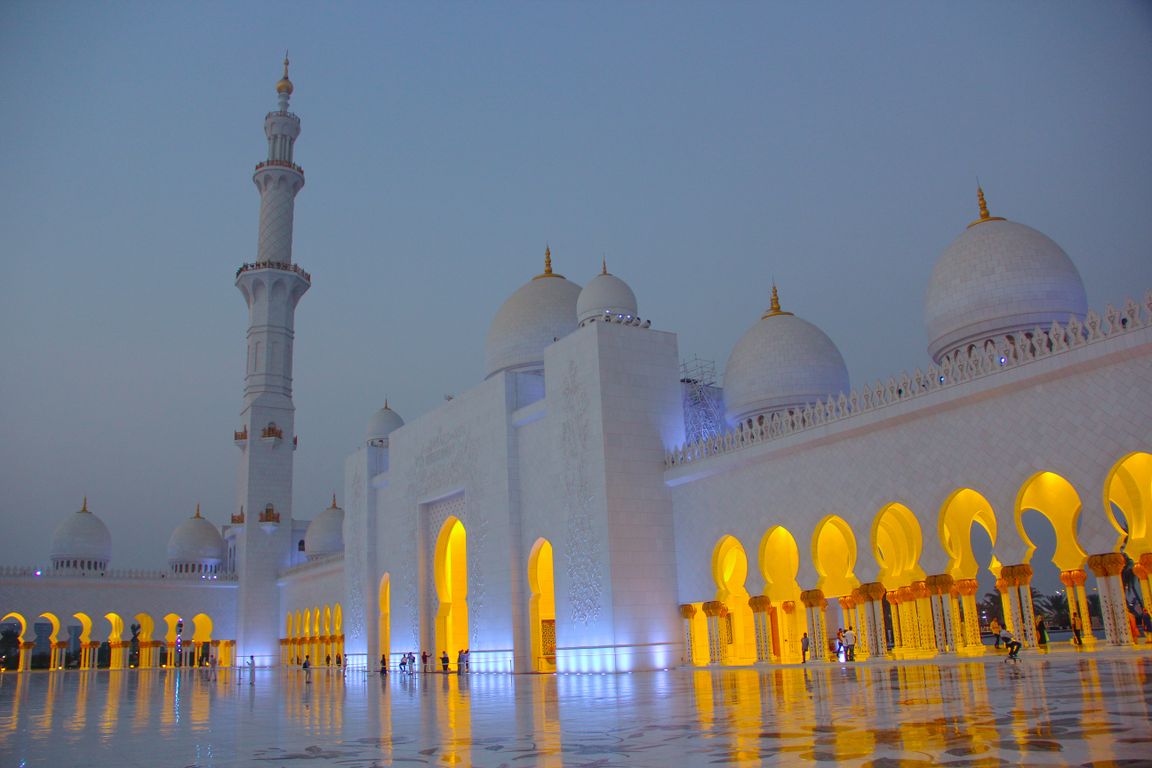
Tanzanian cuisine does not get the international recognition it deserves, overshadowed by the safari and beach headlines. But eating your way through this country is one of its great quiet pleasures, and the food tells a story of Bantu, Arab, Indian, and Portuguese influences layered over centuries of Indian Ocean trade. Let me walk you through the essentials.
Ugali is the foundation — a stiff porridge of maize flour and water, cooked until it forms a dense, slightly rubbery mound. It tastes of almost nothing on its own, which is the point: it is a vehicle for the sauces, stews, and grilled meats served alongside it. Every local restaurant — called a mama lishe — serves ugali with a choice of accompaniments. At Mama Ashura’s in Arusha, a plate of ugali with braised beef and spinach cost 5,300 TZS (2 USD) and was enormous. The trick is to pinch off a lump with your right hand, press a thumb-sized well into it, and use it to scoop the stew. Eat with your right hand only — the left is considered unclean.
Nyama choma — literally “roasted meat” in Swahili — is Tanzania’s unofficial national dish. Beef or goat is the standard, slow-grilled over charcoal and served with salt, lime, and a fiery pili pili chilli sauce. The best nyama choma I ate was at The Pub in Arusha, where a half-kilo of goat with ugali and kachumbari cost 18,550 TZS (7 USD). The meat was smoky, slightly tough in the way that free-range goat always is, and deeply flavoured. Pair it with a cold Safari Lager or Kilimanjaro Premium — both run around 3,975 TZS (1.50 USD) at a local bar.
Chapati arrived with the Indian traders who settled along the Swahili coast, and the Tanzanian version has evolved into something distinct: flakier and slightly oilier than its South Asian cousin, often with a hint of sweetness. Street vendors cook them on flat griddles for 500 to 1,000 TZS (0.20 to 0.40 USD) each. I watched a woman in Stone Town roll, fold, and fry chapatis with a fluid, rhythmic precision that spoke of decades of practice. Her stack sold out in fifteen minutes.
And then there is Zanzibar pizza, which is not pizza at all but a thin crepe-like dough stuffed with minced meat, onions, peppers, egg, and cheese, then folded into a square and fried on a hot griddle until crispy. The Forodhani Gardens Night Market in Stone Town is its spiritual home, and I will cover that scene in detail in the Zanzibar chapter. Expect to pay 5,300 to 7,950 TZS (2 to 3 USD) per piece. The sweet version, filled with Nutella and banana, is spectacular if calorically terrifying.
Planning tip: Vegetarians will find Tanzania manageable but not easy. Beans, greens, and chapati are widely available, but much of the cuisine centres on meat and fish. In Arusha and Dar, Indian restaurants offer excellent vegetarian thalis. On safari, notify your lodge or camp in advance — most can accommodate dietary needs with notice. Tap water is not safe to drink anywhere in Tanzania; bottled water costs around 1,300 TZS (0.50 USD) for 1.5 litres.
6. ZANZIBAR STONE TOWN AND SPICE TOURS
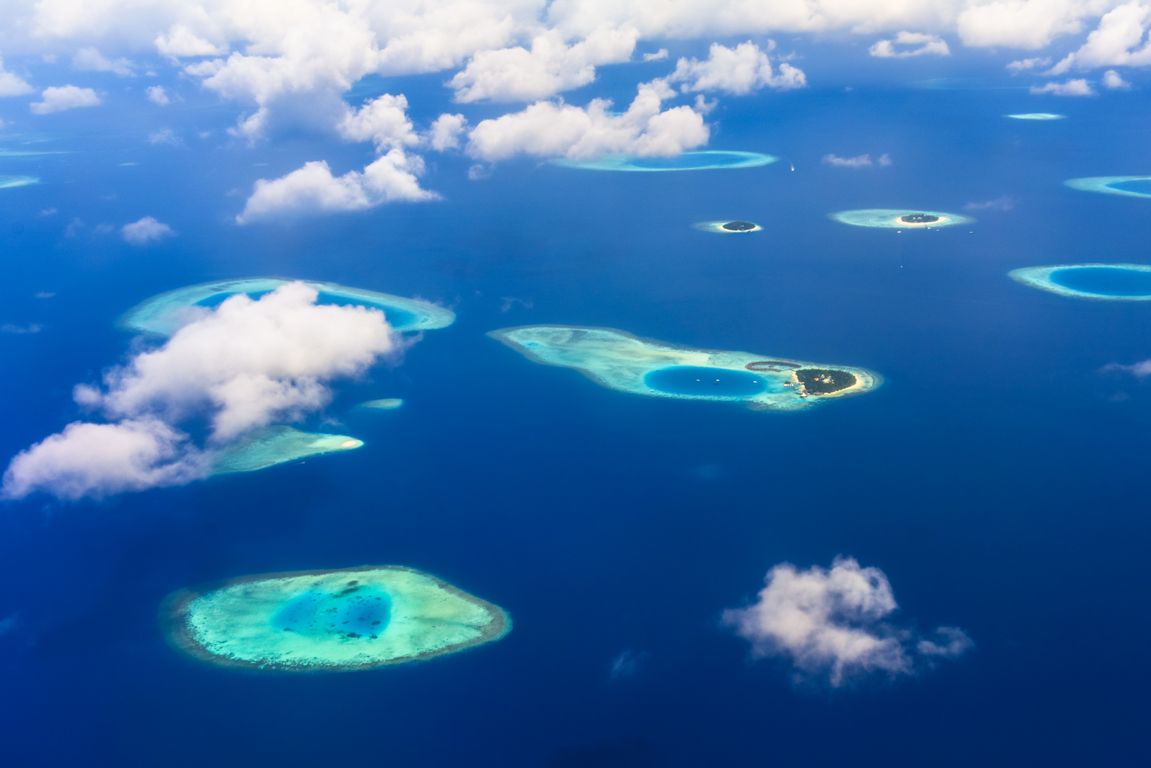
The flight from Arusha to Abeid Amani Karume International Airport in Zanzibar takes about an hour with Coastal Aviation, with fares around 397,500 TZS (150 USD). You can also fly from Dar es Salaam for less, or take the Azam Marine fast ferry from Dar — a two-hour crossing costing 93,775 TZS (35 USD) in economy class. I arrived by air and took a taxi into Stone Town for 26,500 TZS (10 USD), a fifteen-minute ride through cinnamon-scented suburbs.
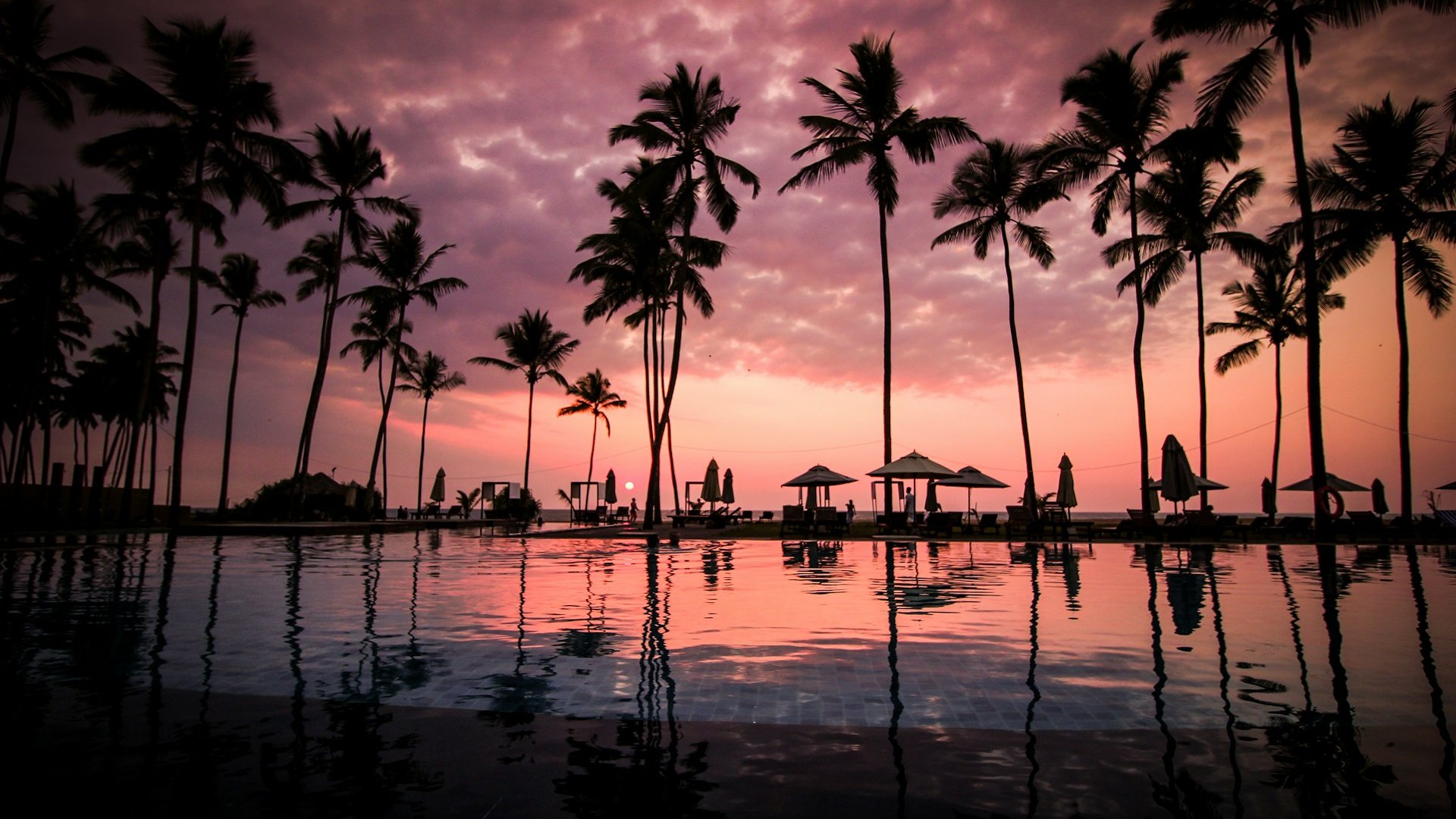
Stone Town is a UNESCO World Heritage Site and one of the most atmospheric small towns I have visited anywhere in the world. The old quarter is a maze of narrow alleys barely wide enough for two people to pass, lined with crumbling coral-stone buildings, carved wooden doors studded with brass, and shopfronts spilling bolts of brightly patterned fabric. Getting lost is inevitable and recommended. I spent my first afternoon wandering without a map, stumbling onto the rooftop of the Emerson on Hurumzi hotel where I drank cardamom-spiced coffee and watched the sun drop behind a forest of satellite dishes and minarets.
I stayed at Zanzibar Palace Hotel, a beautifully restored townhouse with rooms from 159,000 TZS (60 USD) per night. The rooms feature antique Zanzibari furniture, stained-glass windows, and four-poster beds draped in mosquito nets. It is quirky, romantic, and centrally located — five minutes on foot from the waterfront and the Old Fort. Budget travellers should look at Karibu Inn, where clean doubles start at 66,250 TZS (25 USD).
On my second morning I joined a spice tour through Mr. Mitu’s Spice Farm, about thirty minutes outside Stone Town. Zanzibar’s nickname — the Spice Islands — is not marketing fluff. For centuries this archipelago was the world’s primary source of cloves, and the farms still produce nutmeg, cinnamon, black pepper, cardamom, vanilla, lemongrass, and turmeric. Our guide picked fresh specimens from each plant and passed them around. I crushed cinnamon bark between my fingers and the scent was so intense it made my eyes water. The tour costs 39,750 TZS (15 USD) per person including transport and a spice-heavy lunch of pilau rice, coconut bean curry, and grilled fish wrapped in banana leaves. I left with a bag of fresh spices — cloves, cardamom, vanilla pods, and dried turmeric root — for 26,500 TZS (10 USD). Back home these would cost triple.
In the evening I headed to Forodhani Gardens Night Market, Stone Town’s legendary waterfront food market that sets up each evening at sunset. The stalls glow with gas lamps and charcoal smoke, and vendors compete for your attention by thrusting samples on toothpicks. I worked my way through Zanzibar pizza, grilled octopus tentacles with lime and chilli, sugarcane juice, and urojo — a tangy, turmeric-yellow soup served with bhajias, boiled egg, and shredded coconut. A full meal across multiple stalls cost around 15,900 TZS (6 USD). The octopus was the highlight: charred, tender, and dressed with nothing but salt and a squeeze of lime.
Planning tip: Stone Town is best explored on foot, but the alleys can feel claustrophobic after dark. Petty theft is uncommon but not unheard of — keep valuables in your hotel safe and carry only what you need. Zanzibar is predominantly Muslim; dress modestly when away from the beach. Shoulders and knees should be covered in town, particularly near mosques.
7. ZANZIBAR BEACHES AND SNORKELING
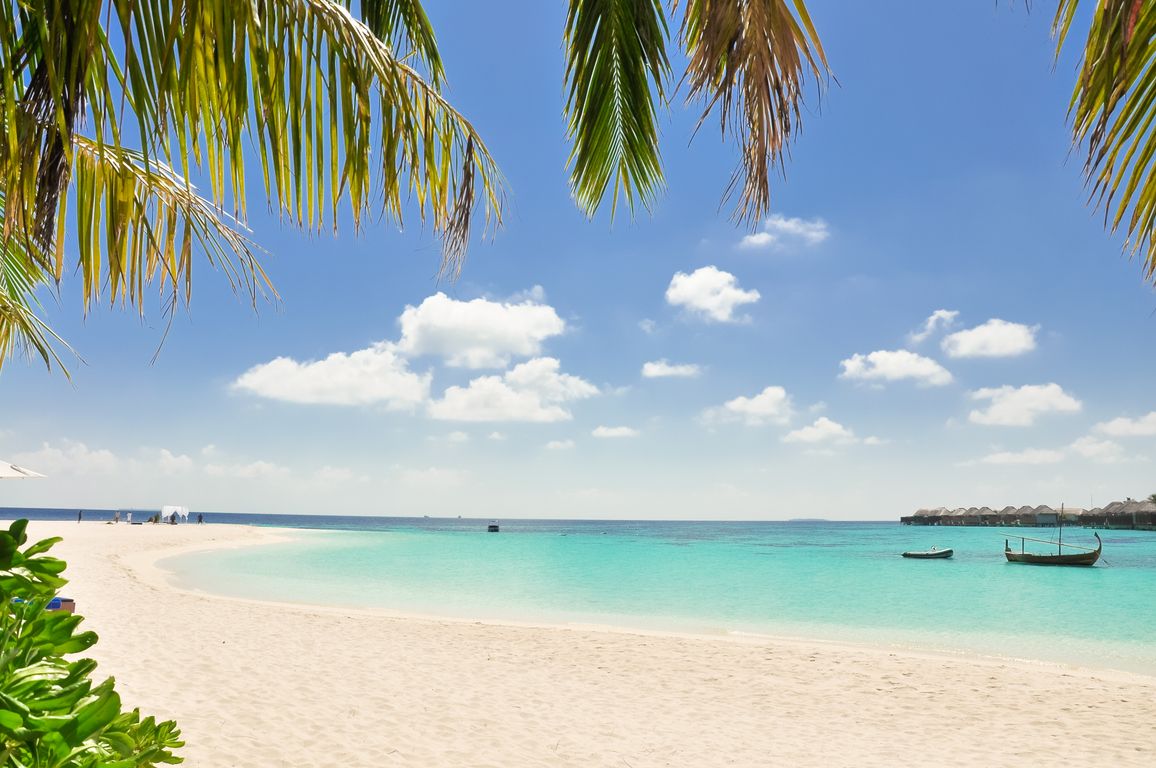
Stone Town has no beach worth mentioning, so on my final two days I headed north to Nungwi, a village at Zanzibar’s northern tip where the Indian Ocean spreads out in absurd shades of blue. The drive from Stone Town takes about an hour in a shared minivan — 5,300 TZS (2 USD) — or you can arrange a private taxi for around 79,500 TZS (30 USD). Nungwi has developed significantly in recent years, with beachfront bars and dive shops lining the shore, but it has not yet reached the saturation point of, say, Seminyak in Bali. It still feels like a fishing village that happens to have tourists.
I checked into Smiles Beach Hotel, a mid-range property directly on the sand with rooms from 212,000 TZS (80 USD) per night including breakfast. The beach here is the main event: a long sweep of white sand that, unlike the east coast beaches, does not disappear at low tide. I spent a lazy morning reading under a palm-thatch parasol, swimming in bath-warm water, and watching local fishermen haul in the morning catch from their wooden outrigger boats. If you want luxury, the Zuri Zanzibar further down the coast offers villa-style rooms from approximately 1,060,000 TZS (400 USD) per night with a stunning infinity pool.
In the afternoon I booked a snorkeling trip to Mnemba Atoll, a tiny private island ringed by a coral reef about forty-five minutes offshore by dhow. The trip cost 106,000 TZS (40 USD) per person through my hotel, including equipment, a basic lunch of fruit and grilled fish on a sandbar, and two snorkel stops. The coral was healthy and colourful — branching staghorns, massive brain corals, and table corals sheltering clouds of sergeant majors, parrotfish, and butterflyfish. At the second stop I swam alongside a green sea turtle that was utterly indifferent to my presence, gliding over the reef with the serene grace of something that has been doing this for a hundred million years. Dolphins are frequently spotted on the boat ride out, and we were lucky — a pod of about fifteen bottlenose dolphins surfed our bow wave for several minutes.
For my final evening I ate at Langi Langi Beach Bungalows restaurant in Nungwi, ordering grilled lobster with garlic butter, coconut rice, and a cold Kilimanjaro beer. The lobster — a full plate-sized specimen — cost 39,750 TZS (15 USD). In most of the world that would buy you a lobster roll at best. I sat in the sand with my feet bare, watching fishing dhows return against a sky streaked in amber and violet, and thought about how some places simply deliver more per dollar than others. Tanzania is one of those places.
Planning tip: The best snorkeling conditions at Mnemba Atoll are between October and March, when visibility can exceed thirty metres. June to September brings slightly choppier seas but fewer tourists. Bring reef-safe sunscreen — the coral here is a protected marine reserve. If you are a certified diver, Spanish Dancer Divers in Nungwi offers two-tank dives for around 238,500 TZS (90 USD).
8. TRANSPORT GUIDE
Getting around Tanzania requires flexibility, patience, and a willingness to accept that schedules are approximate. Here is a realistic breakdown of your main options.
Domestic flights are the fastest and most comfortable option for the Dar-Arusha-Serengeti-Zanzibar circuit. Precision Air, Coastal Aviation, and Auric Air operate small turboprop aircraft between all major destinations. Expect to pay 185,000 to 530,000 TZS (70 to 200 USD) per sector depending on timing and demand. Coastal Aviation runs scheduled flights directly into Serengeti airstrips like Seronera, which eliminates the long overland drive from Arusha. Book online at least two weeks ahead for the best fares. Luggage is typically limited to fifteen kilograms in soft bags — no hard suitcases on bush flights.
Safari vehicles are the standard mode of transport within national parks. Your safari operator will provide a 4×4 Land Cruiser or Land Rover with a pop-up roof for game viewing. Vehicle quality varies dramatically between operators — check reviews specifically mentioning vehicle condition. Breakdowns in the bush are not uncommon, and a good operator carries spare parts and a satellite phone. Private vehicle hire with a driver outside the parks costs approximately 198,675 to 265,000 TZS (75 to 100 USD) per day including fuel.
Dala dalas are Tanzania’s shared minibuses, and they connect virtually every town in the country. They are cheap — a typical inter-town fare runs 2,650 to 13,250 TZS (1 to 5 USD) — but they are also cramped, hot, and operate on a “leave when full” basis, which can mean waiting an hour at the depot. I used dala dalas within Arusha and Zanzibar and found them perfectly functional for short hops. For longer journeys, the experience is more endurance test than transport. Seats are narrow, luggage goes on your lap or on the roof, and drivers treat speed limits as gentle suggestions. That said, they are a brilliant window into daily Tanzanian life, and the conversations with fellow passengers were some of my most memorable moments.
For inter-city buses, Kilimanjaro Express and Dar Lux operate large coaches between Dar es Salaam and Arusha for 79,500 to 106,000 TZS (30 to 40 USD). The journey takes eight to ten hours on roads that range from smooth tarmac to bone-jarring potholes. The Azam Marine ferry between Dar es Salaam and Zanzibar is efficient and reliable, with departures several times daily; business class at 132,500 TZS (50 USD) gets you air conditioning and a snack. Motorbike taxis, called boda boda, are everywhere and cost as little as 2,650 TZS (1 USD) for short trips — but helmet provision is inconsistent and accident rates are high. I used them in Arusha town but would not recommend them on highways.
Planning tip: If your budget allows, flying between Dar, Arusha, and Zanzibar saves enormous amounts of time and physical discomfort. A circuit of three flights might cost 795,000 TZS (300 USD) total — money well spent when you only have seven days. Book domestic flights through the airline websites directly; third-party booking sites sometimes charge inflated fees.
9. BUDGET BREAKDOWN

Tanzania can be surprisingly expensive — or remarkably cheap — depending on how you travel. The safari component is the main cost driver: park fees, vehicle hire, guide fees, and lodge rates add up fast. Below is a realistic seven-day budget breakdown across three travel styles. All figures are per person and assume double occupancy for accommodation.
| Category | Budget (Backpacker) | Mid-Range (Comfort) | Luxury (Splurge) |
|---|---|---|---|
| Accommodation (7 nights) | 462,000 TZS (175 USD) | 1,325,000 TZS (500 USD) | 5,300,000 TZS (2,000 USD) |
| Safari (2-3 days, all inclusive) | 1,855,000 TZS (700 USD) | 3,180,000 TZS (1,200 USD) | 7,950,000 TZS (3,000 USD) |
| Domestic flights (3 sectors) | 530,000 TZS (200 USD) | 795,000 TZS (300 USD) | 1,325,000 TZS (500 USD) |
| Food and drink (7 days) | 185,500 TZS (70 USD) | 530,000 TZS (200 USD) | 1,325,000 TZS (500 USD) |
| Activities (spice tour, snorkeling, museum) | 132,500 TZS (50 USD) | 265,000 TZS (100 USD) | 662,500 TZS (250 USD) |
| Local transport (taxis, dala dala, ferry) | 106,000 TZS (40 USD) | 212,000 TZS (80 USD) | 530,000 TZS (200 USD) |
| TOTAL (7 days) | 3,271,000 TZS (1,235 USD) | 6,307,000 TZS (2,380 USD) | 17,092,500 TZS (6,450 USD) |
The budget tier assumes camping on safari, dorm beds or basic guesthouses elsewhere, eating at mama lishe stalls, and using dala dalas. It is doable but requires advance planning — budget safari operators like Kibo Slopes Tours in Arusha offer group camping safaris from 1,855,000 TZS (700 USD) for three days including park fees. The mid-range tier — which is how I travelled for this article — gets you comfortable lodges, a private safari vehicle, and restaurant meals. The luxury tier includes high-end tented camps, charter flights, and fine-dining experiences.
Planning tip: Safari costs are almost always quoted in USD, even by Tanzanian operators. You can pay by credit card at most lodges and parks, but carry cash (USD or TZS) for tips, market purchases, and small-town expenses. ATMs are available in Dar, Arusha, and Stone Town but unreliable elsewhere. Bring enough cash for your bush days.
10. CULTURAL ETIQUETTE AND SAFETY
Tanzania is one of Africa’s safest and most politically stable countries for travellers, but respect for local customs will transform your experience from pleasant to genuinely warm. Tanzanians are famously hospitable — the Swahili greeting habari (how are you?) and its response nzuri (fine) will open doors, earn smiles, and occasionally land you a cup of chai in someone’s living room. Learn a few phrases. Even terrible Swahili is appreciated.
Dress modestly outside beach resorts, particularly in Zanzibar and other predominantly Muslim areas. For women, this means covering shoulders and knees; for men, long shorts are generally fine but shirtless walking through town is not. I saw several tourists wandering Stone Town in bikini tops and the discomfort of local residents was visible. It costs nothing to carry a light scarf or sarong for covering up in conservative areas.
Photography etiquette is important. Many Tanzanians, particularly Maasai people, are wary of cameras — and with good reason, as decades of exploitative imagery have eroded trust. Always ask before photographing anyone. In Maasai villages, photography is typically included in the boma visit fee, but point your lens at people in the street without asking and you may face an understandable confrontation. When someone declines, accept it gracefully.
Regarding safety, petty crime is the main concern in Dar es Salaam and Stone Town. Avoid walking alone after dark in unfamiliar areas, keep smartphones and cameras concealed in crowded markets, and use hotel safes for passports and excess cash. Violent crime against tourists is rare but not unknown — travel forums occasionally report muggings on quiet Zanzibar beaches at night. Use common sense: if a beach feels deserted after sunset, go back to your hotel. On safari, follow your guide’s instructions absolutely. Wild animals are not performing for you — they are genuinely dangerous. A colleague of mine watched a tourist climb out of a safari vehicle for a closer lion photograph. The guide physically dragged him back inside. Do not be that person.
Tipping is expected in the safari and hospitality industry. For safari guides, the standard is 15 to 20 USD (39,750 to 53,000 TZS) per person per day. Lodge staff typically receive 5 to 10 USD (13,250 to 26,500 TZS) per day split among the team, left in the communal tip box. Restaurant tips of ten percent are appreciated but not always expected at local eateries. Carry small denominations of USD — crisp, post-2013 bills only, as older notes are often refused by banks.
Health requires preparation. Malaria is present throughout Tanzania, including Zanzibar. Consult a travel health clinic at least six weeks before departure for antimalarial medication, and use DEET-based insect repellent and long sleeves at dawn and dusk. Yellow fever vaccination is required if arriving from an endemic country and recommended regardless. The sun at equatorial latitudes is ferocious — I got a second-degree burn on my forearms through a vehicle window on my first Serengeti day despite wearing SPF 50. Reapply constantly.
Planning tip: Travel insurance is non-negotiable for Tanzania. Safari vehicles on remote roads, snorkeling trips, and tropical diseases all carry real risk. Ensure your policy covers medical evacuation — the Flying Doctors service operated by AMREF can evacuate from bush airstrips to Nairobi hospitals, but it costs upward of 5,300,000 TZS (2,000 USD) without coverage.
ROUTE AT A GLANCE
| Day | Destination | Highlights | Sleep |
|---|---|---|---|
| 1 | Dar es Salaam | Kariakoo Market, Mamboz Corner BBQ, National Museum | Slipway Hotel |
| 2 | Arusha | Central Market, Tanzanite Museum, Burka Coffee Estate | Arusha Planet Lodge |
| 3 | Serengeti (Seronera) | Afternoon game drive, cheetah sighting, sunset sundowner | Serengeti Heritage Luxury Tented Camp |
| 4 | Serengeti (Western Corridor) | Great Migration, Grumeti River crossing, Big Five | Serengeti Heritage Luxury Tented Camp |
| 5 | Ngorongoro Crater | Crater descent, black rhino, Maasai boma visit | Ngorongoro Serena Safari Lodge |
| 6 | Zanzibar (Stone Town) | Stone Town alleys, spice tour, Forodhani Night Market | Zanzibar Palace Hotel |
| 7 | Zanzibar (Nungwi) | Beach day, Mnemba Atoll snorkeling, sunset lobster dinner | Smiles Beach Hotel |
This article contains affiliate links. If you book through our partners, we may earn a small commission at no extra cost to you — it helps keep the trail reports coming. All opinions, itineraries, and questionable food choices are entirely our own.
Updated July 2026. Exchange rate used throughout: 1 USD = 2,650 TZS. Prices, schedules, and availability are subject to change — always confirm directly with operators before booking.
