
The first time I stepped out of the Mexico City metro into the chaos of the Zocalo — vendors hawking elote, Aztec dancers drumming in full regalia, the massive Mexican flag snapping overhead — I understood why this country gets under your skin and never leaves. Mexico is not a single destination. It is a kaleidoscope: ancient ruins draped in jungle, mezcal distilleries tucked into dusty valleys, turquoise cenotes that look photoshopped but are devastatingly real. Over seven days, I traced a route from the highland sprawl of Mexico City south to the culinary capital of Oaxaca, then east to the Caribbean coast at Tulum and Cancun. What follows is the unvarnished, taco-stained notebook from that trip — complete with exact prices, honest warnings, and the kind of planning details that only come from actually standing in line, missing a bus, and negotiating a hammock rental in broken Spanish. I have traveled this route three times since 2022, most recently in June 2026, and every detail below reflects current conditions.
1. THE HEART OF AN EMPIRE: MEXICO CITY’S ZOCALO, PALACIO NACIONAL, AND TEMPLO MAYOR
Mexico City’s Zocalo — formally the Plaza de la Constitucion — is one of the largest public squares on the planet, and it hits you with the force of a freight train the moment you emerge from the metro station of the same name. The Metropolitan Cathedral anchors the north side, its twin bell towers slightly askew from centuries of sinking into the soft lakebed beneath. I spent a full morning here on Day 1, walking the nave in near-silence before the tourist buses arrived. Entry is free, though a donation of 50 MXN (about 2.85 USD) is suggested. Arrive before 9 a.m. to have the candlelit interior almost to yourself.
Directly east, the Palacio Nacional stretches along the entire block. This is where Diego Rivera painted his famous murals depicting Mexico’s history from pre-Columbian times through the revolution, and they remain the single most powerful piece of public art I have encountered anywhere. Admission is free with a valid ID. Budget about 90 minutes to absorb the murals properly — the central staircase mural alone demands at least 20 minutes of slow study. Security lines can stretch 30 minutes on weekends, so weekday mornings are your friend.
A two-minute walk northeast brings you to Templo Mayor, the excavated ruins of the Aztec capital Tenochtitlan sitting in surreal juxtaposition with colonial-era buildings. The on-site museum is superb, housing the massive Coyolxauhqui stone disc and hundreds of ritual offerings discovered during excavation. Entry costs 90 MXN (5.15 USD), and Sundays are free for Mexican nationals, which means the site is noticeably busier. I recommend visiting on a Tuesday or Wednesday morning. The audio guide adds 70 MXN (4 USD) and is genuinely worth it for context on the sacrificial platforms.
For lunch, walk five minutes south to Cafe de Tacuba on Calle Tacuba, a historic restaurant operating since 1912. Their enchiladas suizas run 185 MXN (10.55 USD), and the hot chocolate is made from stone-ground cacao — thick, slightly gritty, and utterly addictive at 65 MXN (3.70 USD). The tiled interior and stained-glass ceiling are worth the visit even if you only order a drink. Alternatively, the taco stands lining Calle Republica de Guatemala behind the cathedral serve excellent suadero tacos for 15 MXN (0.85 USD) each — I ate four and regretted nothing.
Planning tip: The Zocalo area is safe during daylight but gets quiet after dark. Stay in the Centro Historico district for walkability — Hotel Zocalo Central offers clean rooms starting at 1,400 MXN (80 USD) per night with rooftop views of the cathedral, or budget travelers can book a bed at Hostal Centro Historico Regina for 350 MXN (20 USD) per night in a mixed dorm.
2. CASTLES AND COOL NEIGHBORHOODS: CHAPULTEPEC, ROMA, AND CONDESA
Day 2 belongs to the west side of the city, starting with Bosque de Chapultepec, a 1,600-acre urban park that makes Central Park look like a garden plot. I entered through the main gate off Paseo de la Reforma around 8:30 a.m. and hiked the winding path up to Chapultepec Castle, which now houses the Museo Nacional de Historia. The climb takes about 15 minutes at a leisurely pace, and the panoramic view from the terrace — the city sprawling in every direction under a haze of morning light — is one of Mexico’s great free spectacles. Museum entry is 90 MXN (5.15 USD), free on Sundays. The rooms chronicling the 1847 Battle of Chapultepec, where young military cadets leapt to their deaths rather than surrender to U.S. forces, are genuinely moving.
After descending, I walked south through the park to the Museo de Antropologia, which is quite simply one of the greatest museums on Earth. The Aztec Sun Stone alone justifies the 90 MXN (5.15 USD) admission, but the Mayan and Oaxacan halls are equally staggering. Give yourself at least three hours. The ground-floor cafe serves decent coffee and sandwiches for around 120 MXN (6.85 USD) if you need to refuel mid-visit. Photography is allowed without flash, but tripods require a special permit.
By early afternoon, I caught an Uber — roughly 45 MXN (2.55 USD) — south to the Roma Norte neighborhood, where tree-lined streets are packed with bookshops, craft cocktail bars, and some of the city’s best independent restaurants. I stopped at Contramar on Calle Durango, widely considered one of Mexico City’s essential dining experiences. Their signature tuna tostadas cost 220 MXN (12.55 USD) and arrive looking like edible art. The whole grilled fish, painted half red and half green, runs about 480 MXN (27.40 USD) and feeds two comfortably. Reservations are essential — I booked three weeks in advance and still waited 20 minutes past my slot.
A 10-minute stroll west lands you in Condesa, the art-deco sibling neighborhood centered on Parque Mexico. This is where the city feels most European — couples on benches, dogs in sweaters, jazz drifting from open windows. I grabbed a mezcal cocktail at Baltra Bar on Avenida Iztaccihuatl for 165 MXN (9.40 USD), sat on the sidewalk terrace, and watched the neighborhood do what it does best: absolutely nothing, beautifully. For dinner, Taqueria Orinoco on Avenida Insurgentes Sur serves Monterrey-style tacos with flour tortillas and chicharron prensado for 35 MXN (2 USD) each — cheap, fast, and irrationally delicious.
Planning tip: Roma and Condesa are the safest and most walkable neighborhoods for tourists in Mexico City. If you can afford it, stay here instead of the Centro Historico on Day 2. Hotel Milan in Roma offers stylish rooms from 1,800 MXN (103 USD) per night, while Stayinn Barefoot Condesa has hostel beds from 380 MXN (21.70 USD). Uber and DiDi work reliably throughout the city — always confirm your driver’s plates before getting in.
3. THE FOOD THAT RUINS YOU FOR HOME: TACOS, MOLE, MEZCAL, AND MARKETS
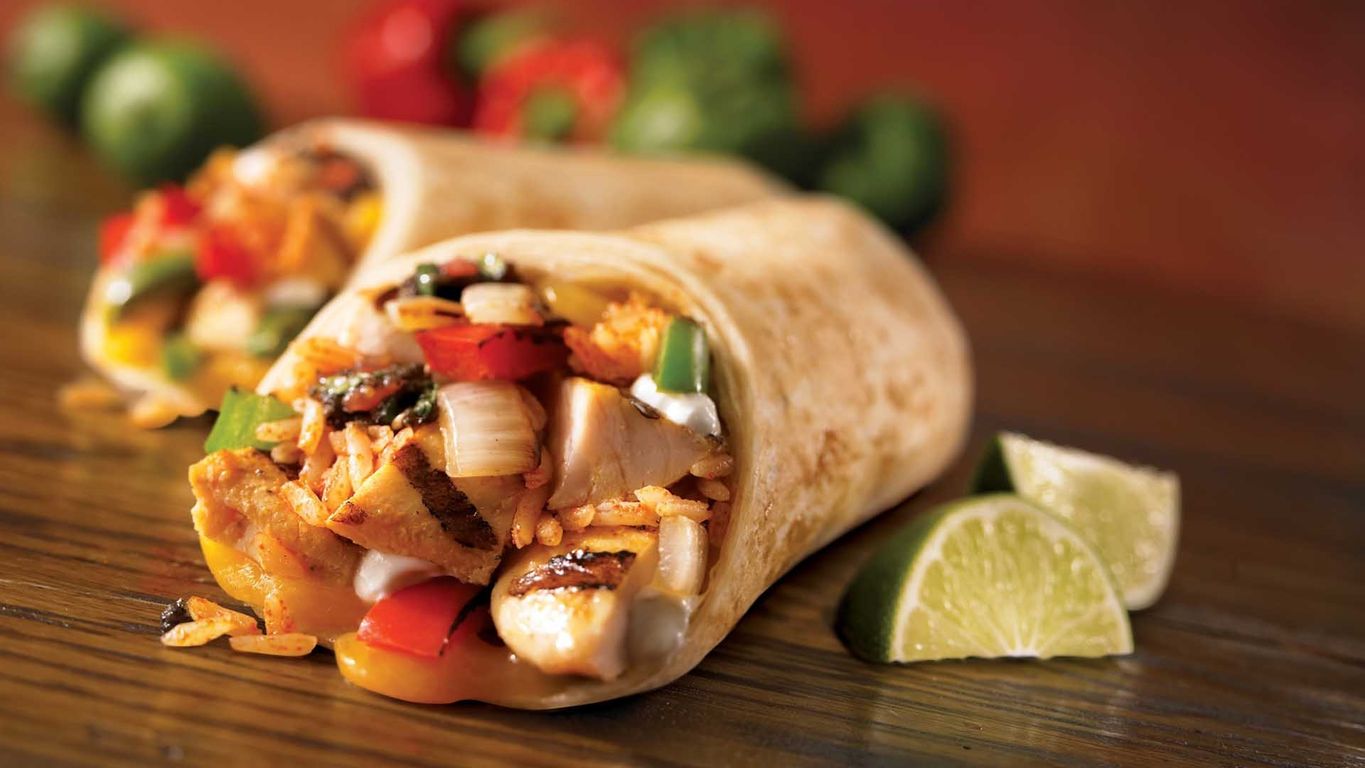
Let me be direct: the food in Mexico will recalibrate your palate permanently. I have eaten in 40 countries, and Mexican cuisine — not the Tex-Mex approximation, but the real thing — operates on a level that few national kitchens can match. This chapter is a dedicated food guide that spans all seven days but concentrates on Mexico City and Oaxaca, where the eating is most extraordinary.
Start at Mercado de San Juan in Mexico City, a covered market where vendors sell everything from imported French cheese to grasshoppers (chapulines) at 80 MXN (4.55 USD) per bag. The stall called Cocina Mi Fonda inside the market serves a four-course comida corrida — soup, rice, a main dish, and agua fresca — for 95 MXN (5.40 USD). It is arguably the best-value meal in the capital. For the famous al pastor tacos, the undisputed king remains El Vilsito, a mechanic’s shop by day that transforms into a taco stand after 8 p.m. in the Narvarte neighborhood. Tacos run 25 MXN (1.40 USD) each. Order at least five. The queue at 10 p.m. on a Saturday stretches around the corner, but it moves fast.
In Oaxaca, mole becomes religion. Los Danzantes on the central plaza serves seven varieties of mole in a tasting flight for 285 MXN (16.30 USD) — negro, rojo, coloradito, amarillo, verde, chichilo, and manchamanteles. The negro is the showstopper: deep, chocolatey, with a smoky heat that builds slowly. For a more local experience, Mercado 20 de Noviembre has a dedicated pasillo de carnes (meat aisle) where you choose your cut — tasajo, cecina, chorizo — and it is grilled over open coals and served with handmade tortillas, grilled onions, and a cup of mezcal for under 150 MXN (8.55 USD) total. The smoke is thick, the benches are communal, and nobody is taking photos for Instagram. It is perfect.
Speaking of mezcal: do not leave Mexico without understanding the difference between mezcal and tequila (tequila is technically a subset of mezcal, made only from blue agave in specific regions). In Oaxaca, In Situ Mezcaleria near the Santo Domingo church offers guided tastings of small-batch artisanal mezcal starting at 120 MXN (6.85 USD) for three 30ml pours. The espadin is smooth and approachable; the tobala is floral and complex; the pechuga — distilled with a raw chicken breast hanging in the still — is unlike anything you have ever tasted. Ask for it. Budget 250 MXN (14.30 USD) if you want to try the rarer varieties.
Planning tip: Street food in Mexico is overwhelmingly safe if you follow one rule: eat where the locals eat. A taco stand with a long queue of construction workers at lunch is almost certainly a safer bet than an empty tourist restaurant with laminated menus. That said, ease into it — if your stomach is sensitive, start with cooked items (tacos, tlayudas, tamales) before moving to raw salsas and ceviche. Carry Pepto-Bismol tablets. I have had Montezuma’s revenge once in three trips, and it was from a hotel buffet, not a street stand.
4. THE VALLEY OF HISTORY: OAXACA CITY AND MONTE ALBAN RUINS

Getting from Mexico City to Oaxaca takes about six hours by ADO first-class bus from Terminal TAPO — tickets run 750 to 950 MXN (43 to 54 USD) depending on the time slot. I took the 7 a.m. departure to arrive by early afternoon, and the bus was comfortable with reclining seats, air conditioning, a bathroom, and a terrible action movie playing on the overhead screen. Alternatively, Volaris and VivaAerobus fly the route in about an hour for 800 to 1,500 MXN (46 to 86 USD) if booked two weeks ahead — but factor in airport transfer time and the bus becomes more competitive than it looks.
Oaxaca city itself is a colonial jewel. The Zocalo here is smaller and more intimate than Mexico City’s, shaded by Indian laurel trees and surrounded by cafe terraces where marimba bands play for tips. I checked into Hotel Casa de Sierra Azul on Calle Hidalgo, a converted 18th-century mansion with rooms from 1,200 MXN (68.55 USD) per night, a central courtyard, and the kind of quiet that makes you forget you are in a city of 300,000 people. Budget travelers should look at Hostal Casa del Sol Oaxaca, where dorm beds start at 280 MXN (16 USD).
On Day 3, I hired a colectivo to Monte Alban, the ancient Zapotec capital perched on a flattened mountaintop 30 minutes outside the city. Colectivos depart every 30 minutes from Hotel Rivera del Angel on Calle Mina and cost 80 MXN (4.55 USD) round-trip. Site entry is 90 MXN (5.15 USD). The sheer ambition of the place is staggering — the Zapotecs literally sheared off the top of a mountain around 500 BC to create the Gran Plaza, a ceremonial complex that at its peak supported 25,000 people. I arrived at opening time (8 a.m.) and had the main plaza nearly to myself for 45 minutes before the tour groups rolled in. The Building of the Danzantes, with its carved stone figures that may represent slain captives, is haunting. Bring water, sunscreen, and a hat — there is almost no shade and the altitude (1,940 meters) intensifies the sun.
Back in the city that afternoon, I walked to the Templo de Santo Domingo de Guzman, a 16th-century Dominican church whose interior is covered in so much gilded stucco that it looks like the inside of a golden beehive. It is free to enter and genuinely jaw-dropping — I stood in the nave for five minutes with my mouth open, which is not something I typically do in churches. The attached Centro Cultural Santo Domingo houses an excellent ethnobotanical garden (guided tours only, 50 MXN / 2.85 USD) and a museum of Oaxacan cultures (70 MXN / 4 USD).
Planning tip: Oaxaca is at altitude (1,550 meters) and the sun is fierce. I saw multiple tourists badly sunburned by Day 4. Wear SPF 50 even on cloudy days, and drink more water than you think you need. The local beer, Lager Oaxaquena, is refreshing but will not hydrate you — learn from my mistake.
5. SMOKE AND STONE: MEZCAL DISTILLERIES AND HIERVE EL AGUA
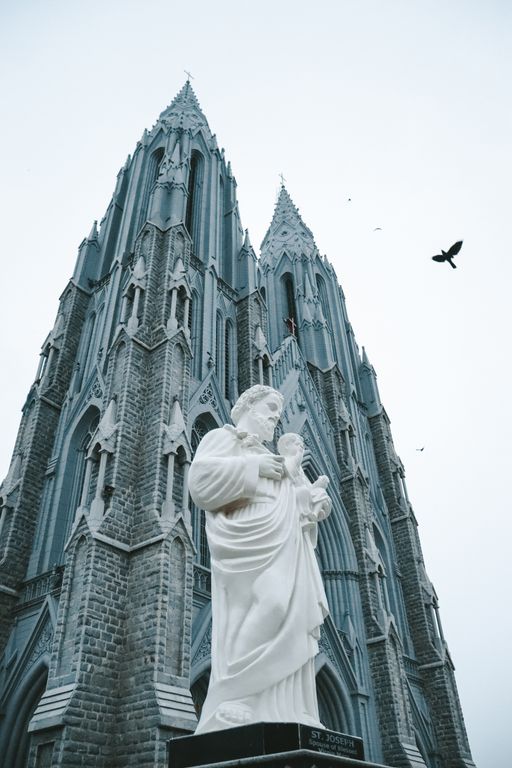
Day 4 is a full-day excursion into the countryside east of Oaxaca. I hired a driver through my hotel for 1,800 MXN (103 USD) for the day — split between three travelers, this came to 600 MXN (34.30 USD) each, which is excellent value considering the distance covered. You can also take colectivos from the central bus station, but the schedule is unreliable and you will waste time waiting for connections.
The first stop was Santiago Matatlan, the self-proclaimed “world capital of mezcal,” about an hour east of Oaxaca. We visited Real Minero, a family-run palenque (distillery) where the Cortes family has been making mezcal for five generations. The tour takes about 90 minutes and costs 200 MXN (11.40 USD) per person, including three tastings. You see the entire process: the agave hearts roasting in an underground pit lined with volcanic rock, the stone tahona wheel pulled by a horse crushing the cooked fiber, the copper stills bubbling slowly in the open air. The arroqueno variety here — wild agave that takes 15 years to mature — is extraordinary: vegetal, mineral, with a long smoky finish. Bottles at the source cost 600 to 1,200 MXN (34 to 69 USD), roughly half what you would pay in a Oaxaca city shop.
From Matatlan, it is another 90 minutes on a winding mountain road to Hierve el Agua, a set of petrified mineral waterfalls clinging to a cliff above the valley. The formations look like frozen cascades of white stone, created over millennia by mineral-rich spring water trickling over the edge. Entry is 50 MXN (2.85 USD), and there are two infinity-edge natural pools at the top where you can swim while gazing across a valley of cactus and agave — easily one of the most photogenic swimming spots in Mexico. The water is cool but not cold, and the mineral content makes your skin feel oddly silky. I spent two hours here, alternating between the pools and the hiking trail that descends to the base of the petrified falls (about 30 minutes down, 45 minutes back up — bring proper shoes, not sandals).
We stopped for a late lunch in the village of Mitla on the return drive, where the Zapotec archaeological site features intricate geometric stone mosaics that are unlike anything at Monte Alban. Entry is 80 MXN (4.55 USD). The village itself is known for its textile artisans, and I bought a hand-woven table runner in a natural dye co-op for 450 MXN (25.70 USD) — not cheap, but the quality is museum-grade and the women who make them earn a fair wage.
Planning tip: If you visit Hierve el Agua independently by colectivo, the last return colectivo leaves around 5 p.m. and drivers are firm about this — miss it and you are stranded until morning. A private driver eliminates this stress entirely. Also, the road to Hierve el Agua has occasional community toll points where local villages charge 20 to 30 MXN (1.15 to 1.70 USD) per vehicle. This is legitimate and expected; just pay with a smile.
6. WHERE THE JUNGLE MEETS THE SEA: TULUM RUINS AND CENOTES
The journey from Oaxaca to Tulum requires either a flight via Mexico City or Cancun (the more practical option), or a grueling 14-hour bus combination I do not recommend. I flew Volaris from Oaxaca to Cancun for 1,350 MXN (77 USD), then caught an ADO bus from Cancun airport directly to Tulum town for 334 MXN (19 USD), arriving about two hours later. This is Day 5, and the shift from highland austerity to Caribbean lushness is dramatic — the air is suddenly heavy, sweet, and 15 degrees warmer.
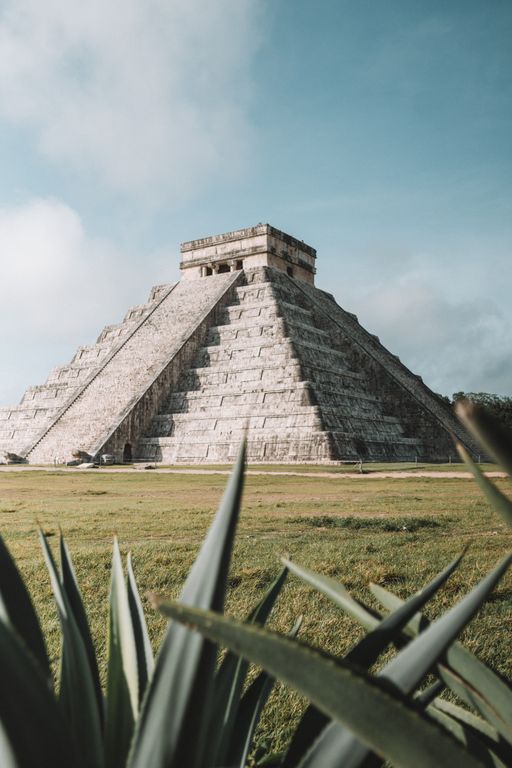
On Day 5 morning, I walked to the Tulum Archaeological Zone, which opens at 8 a.m. Arrive at 7:45 a.m. or face genuinely awful crowds — by 10 a.m. the site is a river of tour-group umbrellas and selfie sticks, and the magic evaporates. Entry is 95 MXN (5.40 USD). The ruins themselves are modest compared to Chichen Itza or Monte Alban, but the setting is unmatched: a walled Mayan trading post perched on a limestone cliff above a crescent of white sand and impossibly blue water. El Castillo, the main pyramid, frames the sea perfectly. After exploring the site (90 minutes is plenty), take the wooden staircase down to the beach below the ruins and swim. The water is warm, clear, and almost offensively beautiful. Bring your swimsuit under your clothes — there are no changing facilities.
In the afternoon, I rented a bicycle from my hostel for 150 MXN (8.55 USD) per day and pedaled 8 km south to Gran Cenote, one of the most accessible and photogenic cenotes in the Riviera Maya. Entry is 500 MXN (28.55 USD) — expensive by Mexican standards, and the price has climbed steadily in recent years, but the experience justifies it. The cenote is a partially open limestone cavern with crystal-clear water, stalactites hanging above, and small turtles gliding below the surface. Snorkel gear rental is 100 MXN (5.70 USD). I floated on my back staring at the stalactites while small fish nibbled at my ankles, and I am not ashamed to say it was a spiritual experience. Go early or late — from 11 a.m. to 3 p.m. the cenote is a zoo.
For a less crowded alternative, Cenote Calavera is 2 km closer to town and charges only 250 MXN (14.30 USD). It is a more rugged experience — you climb down a wooden ladder through a hole in the ground into a cathedral-sized cavern — but the swimming is equally spectacular and the crowd is a fraction of Gran Cenote’s. I visited both and honestly preferred Calavera for the sense of discovery.
Planning tip: Tulum town and the beach hotel zone are separated by about 4 km of jungle road. Staying in town is dramatically cheaper — a private room at Mayan Monkey Tulum runs 800 MXN (45.70 USD) versus 4,000+ MXN (229+ USD) for a beachfront eco-hotel. The trade-off is a 15-minute bike ride to the beach, which I found pleasant rather than burdensome. If you stay on the beach strip, be aware that many hotels have intermittent electricity and limited WiFi by design — this is marketed as “eco-luxury” and priced accordingly.
7. SALT AND SUNLIGHT: CARIBBEAN BEACHES AND SNORKELING
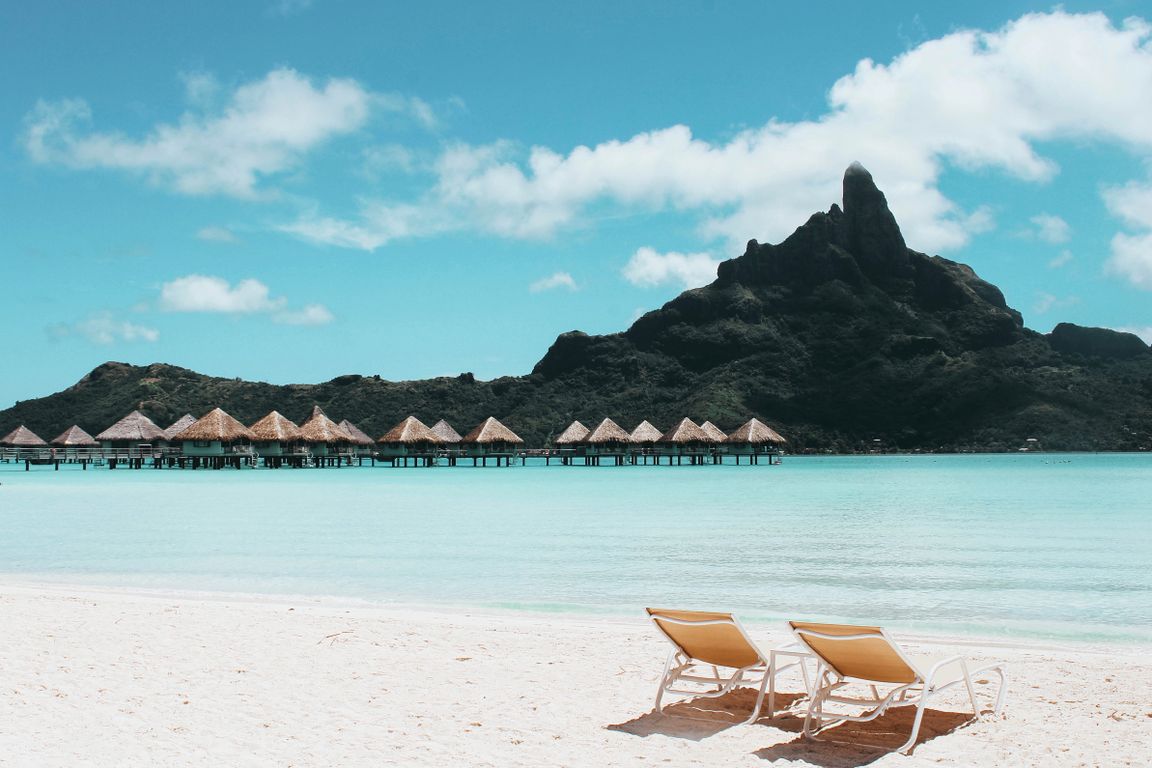
Day 6 is entirely devoted to the Caribbean. I spent the morning at Playa Paraiso, the long public beach south of Tulum that regularly appears on “world’s best beaches” lists. The sand is fine and white, the water is shallow and warm for 50 meters out, and beach club loungers can be rented for 300 to 500 MXN (17.15 to 28.55 USD) with a minimum food and drink purchase. I skipped the beach clubs, laid my towel on the public section, and paid nothing. Bring your own water and snacks — vendors on the beach charge triple normal prices.
In the afternoon, I joined a snorkeling tour to the Mesoamerican Barrier Reef through a local operator called Mexico Kan Tours, departing from the small fishing village of Akumal, about 25 minutes north of Tulum by colectivo (45 MXN / 2.55 USD). The two-hour tour cost 700 MXN (40 USD) including equipment and a guide. We snorkeled over healthy brain coral, spotted a hawksbill sea turtle grazing on seagrass within the first 10 minutes, and drifted through clouds of sergeant major fish and blue tangs. The reef here is part of the second-largest barrier reef system in the world, and the visibility was extraordinary — easily 25 meters on the day I went. If you are a confident swimmer, ask about the deeper sections where barracuda and nurse sharks occasionally appear.
Akumal itself is worth lingering in. The Half Moon Bay area has a small, protected cove where sea turtles feed in water so shallow you can stand up. Snorkeling here independently is free, though you must wear a life vest (available for rent at 100 MXN / 5.70 USD on the beach) and are prohibited from touching the turtles. I saw three loggerheads and a green turtle within 30 minutes. It was, without exaggeration, one of the wildlife encounters of my life.
For dinner back in Tulum, I walked to Burrito Amor on the main drag, a local favorite that serves massive burritos stuffed with cochinita pibil (Yucatecan slow-roasted pork) for 145 MXN (8.30 USD). The horchata is house-made and costs 55 MXN (3.15 USD). After dinner, the town’s bar scene along Avenida Tulum is lively but manageable — Batey, a mojito bar built around an old VW Beetle with live music nightly, is the standout. Mojitos run 140 MXN (8 USD) and the atmosphere is genuinely fun without being obnoxious.
Planning tip: Sargassum seaweed has been a persistent issue on Caribbean beaches since 2018. It arrives in unpredictable waves, primarily between May and August, and can make some beaches smell unpleasant and difficult to swim from. Check recent reports on social media before committing to a beach day — some beaches are cleaned daily by hotels while others are left as-is. When I visited in June, the sargassum was moderate in Tulum but nearly absent in Akumal.
8. GETTING AROUND: BUSES, COLECTIVOS, FLIGHTS, AND COSTS
Mexico’s transport network is surprisingly efficient once you understand the tiers. ADO operates first-class and luxury (ADO GL and ADO Platino) bus services connecting all major cities in the south and east. First-class buses have assigned seats, air conditioning, bathrooms, and power outlets. Platino adds wider seats, extra legroom, and a snack service for about 30 percent more. Book online at ado.com.mx or at any terminal — online booking is cheaper and guarantees your seat on peak routes. Key costs from this trip: Mexico City to Oaxaca, 750 to 950 MXN (43 to 54 USD); Cancun Airport to Tulum, 334 MXN (19 USD); Tulum to Cancun city, 220 MXN (12.55 USD).
Colectivos are shared minivans that run fixed routes between towns on the Riviera Maya and throughout Oaxaca state. They are cheap, frequent, and slightly chaotic. On the Tulum-to-Playa del Carmen corridor, colectivos depart every few minutes from the colectivo stand on the highway and cost 45 MXN (2.55 USD). You flag them down, pay the driver in cash, and squeeze in. They are not luxurious — expect reggaeton at full volume and a driver who treats speed limits as gentle suggestions — but they work. In Oaxaca, colectivos to surrounding villages and archaeological sites cost 20 to 80 MXN (1.15 to 4.55 USD) and depart from the central second-class bus station.
For the Oaxaca-to-Cancun leg, flying is the only sensible option. Volaris and VivaAerobus are the two main budget carriers. Both use a model similar to European low-cost airlines: the base fare is cheap (sometimes as low as 600 MXN / 34 USD for a one-way), but checked bags, seat selection, and any semblance of legroom cost extra. I find Volaris slightly more reliable, but both airlines have earned reputations for delays. Build buffer time into your itinerary accordingly. Book directly through the airline apps for the best prices, and always check whether your fare includes a carry-on — VivaAerobus’s basic fare sometimes does not.
Within Mexico City, the Metro is absurdly cheap at 5 MXN (0.29 USD) per ride and covers the city comprehensively. Avoid it during rush hours (7-9 a.m. and 5-7 p.m.) unless you enjoy being compressed into a human sardine. Uber and DiDi are widely available and inexpensive — most rides within central Mexico City cost 40 to 100 MXN (2.30 to 5.70 USD). Never take unmarked taxis from the street; always use an app or a taxi stand (sitio).
Planning tip: Download the ADO app and create an account before you arrive in Mexico. The app lets you book, change, and check schedules in English. Also download Uber, DiDi, and Google Maps with offline maps for each city — cellular data coverage is good in urban areas but spotty on rural roads. A local SIM card from Telcel with 6 GB of data costs about 200 MXN (11.40 USD) for 30 days and is available at OXXO convenience stores everywhere.
9. WHAT IT ACTUALLY COSTS: A BUDGET BREAKDOWN IN THREE TIERS
One of Mexico’s great virtues is that it accommodates virtually any budget without forcing you to sacrifice experience. Below is a realistic breakdown for this seven-day route, based on actual spending from my June 2026 trip, organized into three tiers. All prices are per person and assume double occupancy for accommodation.
| Category | Budget (MXN / USD) | Mid-Range (MXN / USD) | Comfort (MXN / USD) |
|---|---|---|---|
| Accommodation (7 nights) | 2,450 / 140 | 8,750 / 500 | 21,000 / 1,200 |
| Food (7 days) | 2,100 / 120 | 5,250 / 300 | 10,500 / 600 |
| Transport (all legs) | 2,800 / 160 | 3,500 / 200 | 5,250 / 300 |
| Activities and entrance fees | 1,050 / 60 | 1,750 / 100 | 3,500 / 200 |
| Drinks and nightlife | 700 / 40 | 1,750 / 100 | 3,500 / 200 |
| Miscellaneous (SIM, tips, souvenirs) | 700 / 40 | 1,400 / 80 | 2,800 / 160 |
| 7-Day Total | 9,800 / 560 | 22,400 / 1,280 | 46,550 / 2,660 |
The budget tier assumes hostel dorms, street food and market meals, ADO second-class and colectivos, and free or low-cost activities. It is entirely achievable and, frankly, often yields the most authentic experiences — the best tacos I ate on this trip cost 15 MXN. The mid-range tier covers private hotel rooms, a mix of restaurants and street food, first-class buses, and paid activities including cenotes and guided tours. The comfort tier includes boutique hotels, destination restaurants like Contramar and Los Danzantes, domestic flights instead of overnight buses, and private guides or drivers where available.
A few cost-saving notes. Mexico does not have a strong tipping culture at street stands, but restaurants expect 10 to 15 percent. ADO buses booked online are often 10 to 20 percent cheaper than walk-up tickets. Many museums and archaeological sites are free on Sundays for Mexican residents, which means lighter crowds on weekdays. Water is cheap but you will drink a lot of it — budget 40 MXN (2.30 USD) per day for large bottles or bring a filtered water bottle from home. OXXO convenience stores, which are literally on every block, sell 1.5-liter water bottles for 18 MXN (1 USD).
Planning tip: ATMs at major banks like BBVA, Santander, and Banorte generally offer fair exchange rates and charge 30 to 50 MXN (1.70 to 2.85 USD) per withdrawal. Avoid airport exchange counters, which mark up rates by 5 to 10 percent. Carry cash for markets, street food, and colectivos — card acceptance is improving but far from universal outside tourist zones. The 100 MXN and 200 MXN notes are the most useful denominations; do not try to pay a taco vendor with a 500 MXN note at 7 a.m.
10. RESPECT THE PLACE: CULTURAL ETIQUETTE AND SAFETY
Mexico is an overwhelmingly welcoming country, but it is not a theme park, and treating it like one will diminish both your experience and your safety. A few things I have learned over three trips that guidebooks often skip or sugarcoat.
First, learn basic Spanish. You do not need fluency — 50 words and a willingness to butcher pronunciation will get you remarkably far and earn genuine goodwill. “Buenos dias,” “por favor,” “gracias,” “la cuenta por favor” (the check please), and “no hablo mucho espanol, lo siento” (I do not speak much Spanish, I am sorry) will cover 80 percent of interactions. In tourist zones, English is widely understood. In markets, bus stations, and rural areas, it is not. Google Translate’s camera mode works well for menus and signs.
Second, understand the safety landscape honestly. Mexico City, Oaxaca, Tulum, and Cancun’s hotel zone are safe for tourists who exercise normal urban precautions. Petty theft — pickpocketing on crowded metros, bag snatching from restaurant chairs — is the primary risk. Keep valuables in a front pocket or money belt, do not flash expensive electronics unnecessarily, and do not walk alone in poorly lit areas after midnight. The drug violence that dominates international headlines is overwhelmingly concentrated in northern border states and specific Pacific coast areas that are not on this itinerary. I have never felt unsafe on this route, but I also do not pretend that Mexico has no security challenges.
Third, respect indigenous cultures. In Oaxaca and the Yucatan, you will encounter Zapotec, Mixtec, and Mayan communities whose traditions predate the Spanish arrival by millennia. Do not photograph people without permission — this is considered deeply disrespectful in many indigenous communities, and in some Oaxacan villages it can provoke genuine anger. When visiting artisan workshops, understand that the prices reflect months of skilled handwork, not a starting point for aggressive haggling. Gentle negotiation is acceptable in markets; demanding half price for a hand-woven textile is not.
Fourth, environmental awareness matters. The cenotes of the Yucatan are part of a fragile underground aquifer system. Wear only biodegradable sunscreen (many cenotes now enforce this), do not touch stalactites or coral, and take all trash with you. The Mesoamerican Barrier Reef is under severe stress from development and climate change. Choosing reef-safe sunscreen and responsible snorkel operators is not performative environmentalism — it is a material contribution to keeping these places alive for the next generation of travelers.
Planning tip: Register with your country’s embassy or consular services before traveling. The U.S. Embassy in Mexico City and consular agencies in Cancun and Oaxaca can assist in genuine emergencies. Save the emergency number 911 (yes, it works in Mexico) and the Tourist Police number for each city in your phone. Travel insurance that covers medical evacuation is not optional — a hospital visit for a broken bone can cost 15,000 MXN (857 USD) or more, and a medical evacuation flight can exceed 50,000 USD. I use and recommend policies that include adventure sports coverage if you plan to dive or do any cliff jumping.
Mexico has a way of reshaping your expectations. You arrive thinking you know what to expect — tacos, beaches, ruins — and you leave understanding that you have barely scratched the surface of a civilization that has been layering complexity for 3,000 years. This seven-day route is a compressed introduction, not a comprehensive survey. Come back. Stay longer. Learn more Spanish. Eat more mole. Mexico rewards the curious, the patient, and the hungry in equal measure.
| Day | Location | Highlights | Overnight |
|---|---|---|---|
| Day 1 | Mexico City | Zocalo, Palacio Nacional, Templo Mayor, Cafe de Tacuba | Centro Historico |
| Day 2 | Mexico City | Chapultepec Castle, Museo de Antropologia, Contramar, Roma and Condesa | Roma / Condesa |
| Day 3 | Oaxaca | ADO bus from CDMX, Zocalo, Santo Domingo, Mercado 20 de Noviembre | Oaxaca Centro |
| Day 4 | Oaxaca | Monte Alban, mezcal distillery in Matatlan, Hierve el Agua, Mitla | Oaxaca Centro |
| Day 5 | Tulum | Flight to Cancun, ADO to Tulum, Tulum Ruins, Gran Cenote | Tulum Town |
| Day 6 | Tulum / Akumal | Playa Paraiso, reef snorkeling, Akumal sea turtles, Batey bar | Tulum Town |
| Day 7 | Cancun | Colectivo to Cancun, Hotel Zone beach, departure | Departure |
This article contains affiliate links. If you book through these links, DriftTrails earns a small commission at no extra cost to you. This helps us keep producing independent travel content. All opinions, bad jokes, and taco recommendations are entirely our own.
Updated July 2026. All prices verified during the author’s most recent visit in June 2026. Exchange rate used: 1 USD = 17.5 MXN. Prices, schedules, and conditions may change — always verify locally before making commitments.
