
I landed in Colombo at 2 a.m., drenched in sweat before I even cleared immigration. The Bandaranaike International Airport air conditioning had apparently called it quits for the night, and the ceiling fans were doing that lazy, performative spin that cools absolutely nothing. Welcome to Sri Lanka. A country that went through an economic meltdown in 2022, chased out a president, ran short on fuel and medicine, and somehow came out the other side still smiling at strangers and offering you tea. I spent seven days here in early 2026, and what I found was a place that is raw, generous, occasionally chaotic, and deeply worth the effort.
This is not a luxury itinerary. I traveled by public bus, tuk-tuk, and one spectacular train. I stayed in guesthouses that cost between 5,000 and 12,000 LKR ($15-$36) a night. I ate rice and curry until I could identify individual spice layers with my eyes closed. If you want infinity pools and curated experiences, there are other articles for that. This one is about what actually happens when you show up to Sri Lanka with a backpack, a rough plan, and seven days.
Day 1: Colombo and the Sensory Assault of Pettah Market
My pre-booked tuk-tuk driver, Saman, was waiting outside arrivals holding a cardboard sign with my name misspelled in a way I found endearing. The ride from the airport to Colombo Fort took about 45 minutes at that hour, with the meter reading 3,200 LKR ($9.70). He offered to be my driver for the whole trip. I declined, politely, because I had already decided to do this the hard way.
I checked into a guesthouse in Kollupitiya, a neighborhood that sits between the colonial grandeur of the Fort district and the leafy residential streets further south. The room was clean, had a working fan, and cost 7,000 LKR ($21) a night. The owner, a woman named Kumari, brought me tea without being asked. This would become a pattern across the entire country.
After a few hours of sleep, I walked to Pettah Market. If you have ever wondered what it would feel like to stand inside a pinball machine, Pettah is your answer. The market sprawls across several blocks near Fort Railway Station, and each street specializes in something different. One street is nothing but electronics. Another is fabric. Another is spices, and the air there is so thick with turmeric and chili powder that your eyes water.
I bought a bag of Ceylon cinnamon for 600 LKR ($1.80), which back home would cost ten times that for half the quantity. I ate my first proper Sri Lankan lunch at a small spot on 2nd Cross Street: a rice and curry plate with fish ambul thiyal (sour fish curry), dhal, pol sambol (coconut relish), and a green bean curry. The plate cost 450 LKR ($1.36). It was, without exaggeration, one of the best meals I had on the entire trip.
Budget tip: Skip the tourist restaurants along Galle Face Green. Walk two blocks inland and eat where the office workers eat. You will pay a third of the price and the food will be significantly better.
In the evening, I did walk along Galle Face Green, which is Colombo’s oceanfront promenade. Families were flying kites. Vendors were selling isso vadai (crispy prawn fritters) for 100 LKR ($0.30) each. The Indian Ocean was gray and churning. It was not beautiful in a postcard way, but it was alive, and I sat on the seawall for an hour watching the city exhale after a hot day.
Day 2: Negombo Fish Market and a Slower Coast
I took a local bus north to Negombo, about an hour and a half from Colombo. The bus cost 120 LKR ($0.36). It was standing room only, and the driver treated every traffic light as a personal insult. Sri Lankan bus drivers deserve their own category in the taxonomy of human courage.
Negombo’s fish market is the reason to come here, and you need to arrive early. By 6:30 a.m., the concrete floor of the Lellama Fish Market was covered in tuna, swordfish, prawns, and squid, with auctioneers shouting prices and buyers moving fast. The smell is powerful. The energy is something else. I watched a man carry an entire swordfish on his shoulders like it was a pool noodle.
The beach in Negombo is not Sri Lanka’s best, but it has a working-town charm that the resort beaches lack. I ate grilled fish at a shack near the lagoon, 800 LKR ($2.42) for a whole fish with rice and sambol. The lagoon itself is worth a walk, especially the section near the Dutch Canal, which dates back to colonial times and is now lined with fishing boats painted in reds and blues.
Getting there: Bus 240 from Colombo Bastian Mawatha bus stand runs to Negombo every 15-20 minutes. Tell the conductor “Negombo fish market” and he will yell at you when to get off. This is the system. It works.
Day 3: The Long Drive to Sigiriya
Getting from the coast to the Cultural Triangle in the center of the island takes about four to five hours by bus, depending on traffic and how many times the driver stops for tea. I took a bus from Negombo to Kurunegala, then another from Kurunegala to Dambulla, and a short tuk-tuk ride from Dambulla to Sigiriya. Total transport cost: about 650 LKR ($1.97).
The landscape shifts dramatically as you move inland. The flat, humid coast gives way to rolling hills, rice paddies that stretch to the horizon, and massive rock formations that appear out of the jungle like geological afterthoughts. By the time I reached Sigiriya, the air was drier, the light was golden, and I could see the rock fortress rising above the tree canopy from kilometers away.
I checked into a homestay run by a family who grew their own vegetables and cooked dinner for guests. The room was 6,000 LKR ($18) including breakfast and dinner. The dinner was rice with eight different curries, all made from scratch. The father, Bandara, sat with me and explained each dish. He also explained that before the economic crisis, they had steady bookings from European tour groups. Those dried up in 2022. Now, slowly, the visitors were coming back, and he was grateful for each one. I did not know what to say to that, so I ate a third helping of his wife’s jackfruit curry, which seemed to communicate the right thing.
Budget tip: Homestays in the Sigiriya area are vastly better value than the hotels on the main road. You get home-cooked food, local knowledge, and often a family that genuinely wants you to have a good experience. Ask at any shop in Sigiriya village and someone will point you to a family taking guests.
Day 4: Sigiriya Rock Fortress and Pidurangala at Sunrise
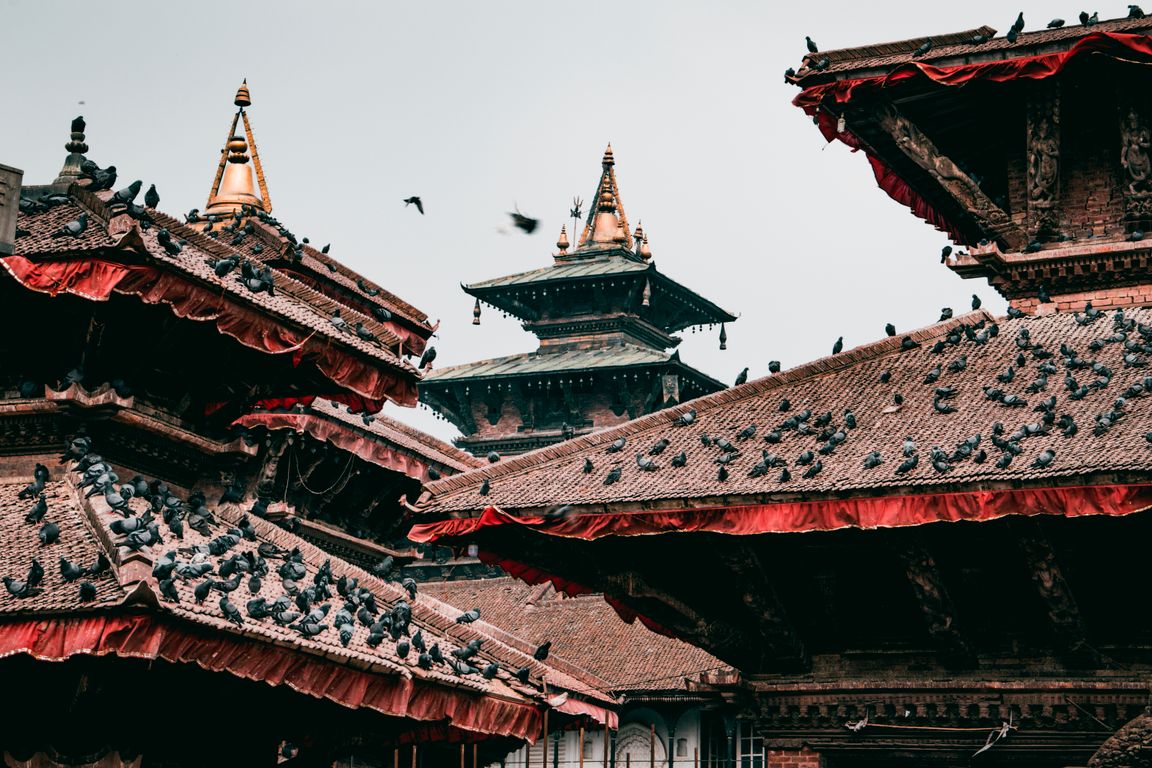
I woke at 4:30 a.m. and walked to Pidurangala Rock, which is about a twenty-minute walk north of Sigiriya. The admission is 500 LKR ($1.52) and the climb takes about 30 minutes in the dark with a headlamp. The final scramble over boulders at the top requires some nerve, but the reward is a sunrise view of Sigiriya Rock that no photograph can properly convey. The rock glows orange, the jungle below is a sea of green mist, and you share it with maybe fifteen other people instead of the hundreds who will be on Sigiriya itself by mid-morning.
After breakfast, I went to Sigiriya proper. The entrance fee for foreigners is 5,580 LKR ($16.91), which is steep by Sri Lankan standards but reflects the site’s UNESCO status. The climb takes about an hour and a half if you stop to see the frescoes, the mirror wall, and the lion’s paw gateway. The frescoes, painted sometime in the 5th century, depict women who have been the subject of scholarly debate for decades. They are remarkably well-preserved and genuinely beautiful.
The top of Sigiriya is a flat plateau where King Kashyapa built his palace in the 5th century. The foundations remain, along with the garden pools and the views, which extend in every direction to the horizon. Standing up there, it is easy to understand why a king chose this spot. It is also easy to understand why his enemies eventually won, because getting supplies up those stairs must have been a logistical nightmare.
I spent the hottest part of the afternoon in a hammock at the homestay, reading and drinking king coconut water that Bandara’s son brought me from a tree in the yard. Some travel days are about doing less, and this was one of them.
Day 5: Polonnaruwa’s Ancient City
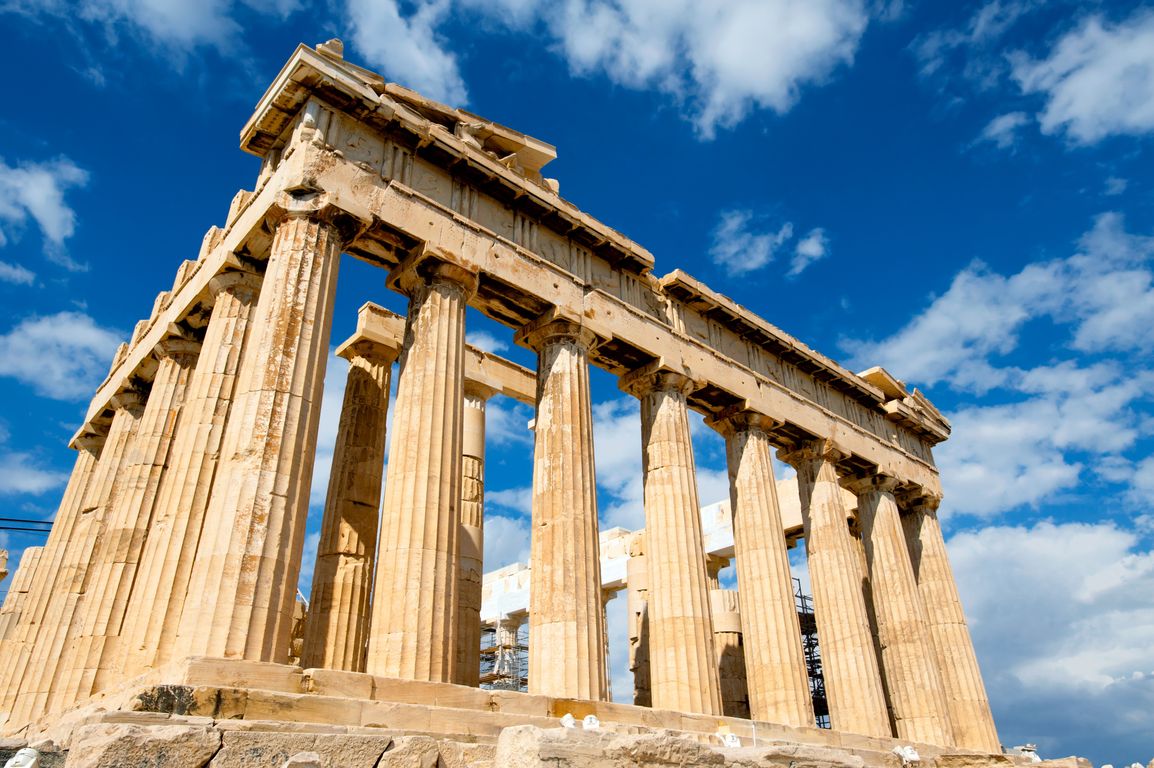
A bus from Sigiriya junction to Polonnaruwa took about two hours and cost 180 LKR ($0.55). Polonnaruwa was the medieval capital of Sri Lanka, and its ruins are spread across a vast archaeological park that most people explore by bicycle. I rented one near the entrance for 800 LKR ($2.42) for the day. The site entrance fee for foreigners is 3,870 LKR ($11.73).
If Sigiriya is a single, dramatic statement, Polonnaruwa is a long, detailed conversation. The ruins span several square kilometers and include palaces, temples, bathing pools, dagobas, and one of the most remarkable collections of Buddhist sculpture anywhere in the world. The Gal Vihara, a group of four Buddha figures carved from a single granite outcrop in the 12th century, stopped me cold. The reclining Buddha is 14 meters long, and there is a quality to the carving, a softness in the stone, that makes it feel less like sculpture and more like something that simply appeared.
I spent five hours cycling between sites, stopping often. The Rankoth Vehera dagoba. The Vatadage circular relic house with its moonstone entrance. The Audience Hall with its carved elephants. Each one warranted more time than I gave it, and I left knowing I would need to come back.
Lunch was at a small restaurant near the museum gate: rice, chicken curry, eggplant moju, and fresh lime juice. Total: 750 LKR ($2.27). The lime juice alone was worth the trip.
Getting there: Direct buses run between Sigiriya and Polonnaruwa, but schedules are irregular. The more reliable option is a bus to Habarana junction and a connection from there. Ask locals for current times; the posted schedules are more like suggestions.
Day 6: Kandy and the Temple of the Tooth
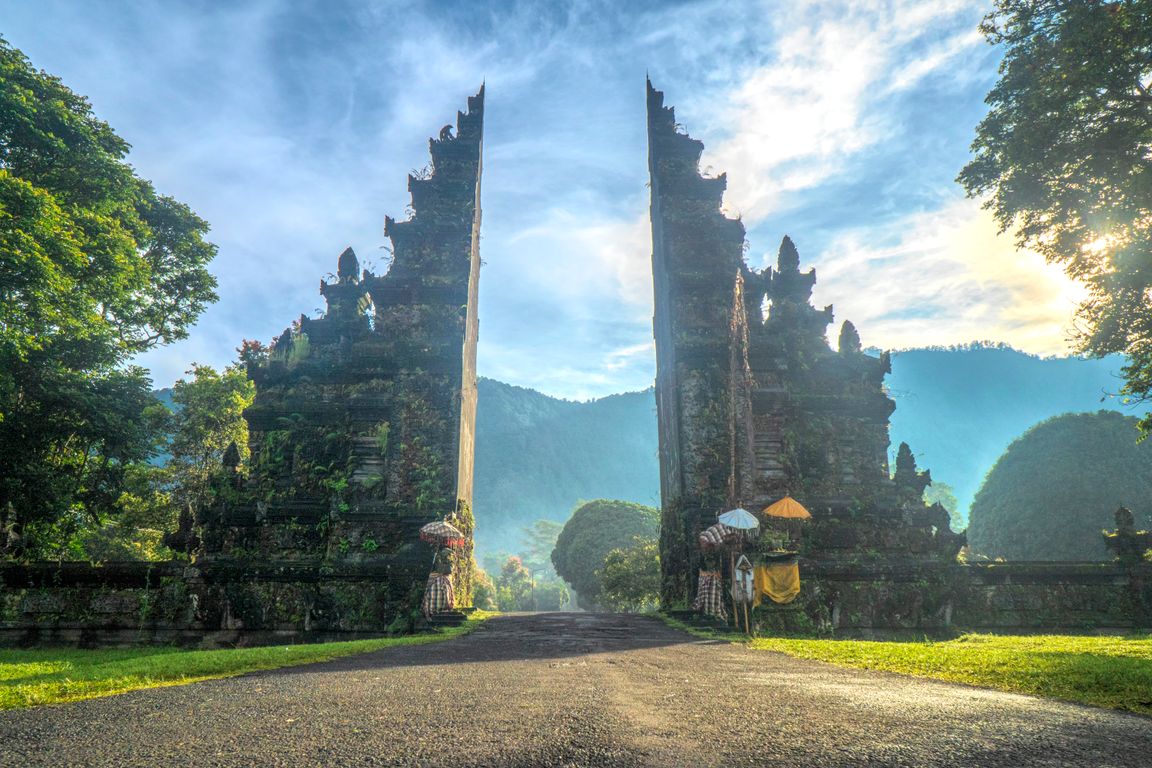
The bus from Polonnaruwa to Kandy was a four-hour journey through some of the most beautiful terrain I have ever seen from a bus window. The road climbs through the Knuckles mountain range, with tea plantations appearing as the elevation rises. Ticket: 320 LKR ($0.97).
Kandy is Sri Lanka’s cultural capital, set around an artificial lake that reflects the surrounding hills. It is noticeably cooler than the lowlands, which was a relief. I found a guesthouse on Saranankara Road, a steep hill above the lake, for 8,000 LKR ($24) a night. The view from the balcony was worth twice that.
The Temple of the Tooth, or Sri Dalada Maligawa, houses what is believed to be a tooth relic of the Buddha. It is the most sacred Buddhist site in Sri Lanka, and the atmosphere inside reflects that. Entry for foreigners is 2,000 LKR ($6.06). I went for the evening puja ceremony at 6:30 p.m., when the inner chamber is opened and worshippers file past the golden casket that holds the relic. Drums beat in a steady rhythm. Incense filled the corridors. People wept. I am not Buddhist, and I found it deeply moving.
Afterward, I walked around Kandy Lake as the light faded. Bats the size of small cats were leaving their roosts in the lakeside trees. A man on a bench told me, unprompted, that Kandy was the last Sinhalese kingdom to fall to the British, in 1815, and that the city has never forgotten it. He said this with a mix of pride and sadness that I found myself thinking about for days.
Dinner was kottu roti at a place near the clock tower. Kottu is chopped flatbread stir-fried with vegetables, egg, and spices on a hot griddle, and the sound of the metal blades chopping against the griddle is the unofficial soundtrack of Sri Lanka at night. A full plate of egg and cheese kottu: 650 LKR ($1.97).
Budget tip: The Kandy Central Market is worth a morning visit for fresh fruit. A bag of rambutan, mangosteen, and wood apple costs almost nothing, and the wood apple, which looks like a hand grenade and tastes like tart caramel, is something you will not find easily outside South Asia.
Day 7: The Train to Ella
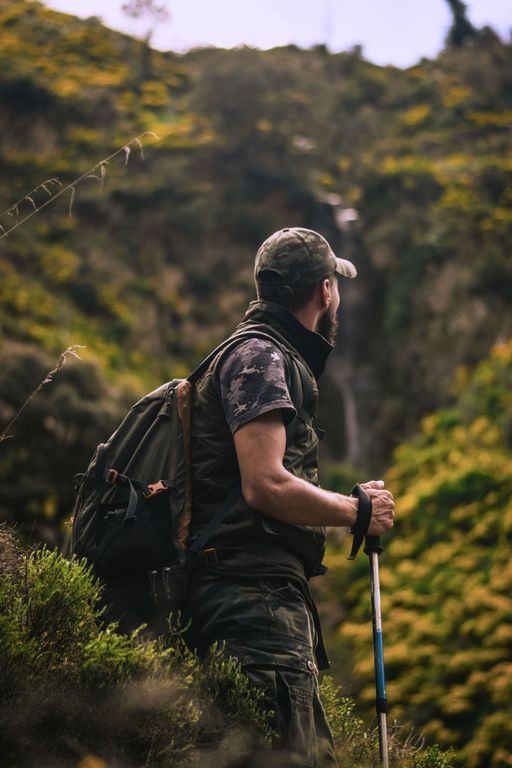
If you do one thing in Sri Lanka, ride the train from Kandy to Ella. Everyone says this. Travel blogs say it, guidebooks say it, the guy at the guesthouse said it while handing me my breakfast. For once, the hype is entirely deserved.
The train departs Kandy at 8:47 a.m. I bought a second-class ticket for 600 LKR ($1.82) because first-class windows do not open, and the entire point of this ride is hanging out of an open door with the wind and the mountain air in your face. The journey takes about seven hours, and every single hour offers a different landscape: dense jungle, waterfalls, tea plantations that carpet the hills in electric green, bridges over deep valleys, and small stations where vendors pass up bags of samosas and cups of tea through the windows.
The section between Nuwara Eliya and Ella is the most spectacular. The train crawls along a ridgeline with drops on both sides, and the tea pickers in the fields below look like dots of color against the green. I sat in the open doorway for most of this stretch, which is technically not encouraged but practically universal. A Sri Lankan family shared their lunch with me: rice packed in banana leaves, a fiery chicken curry, and a tamarind chutney that made my entire face tingle. They refused to let me pay for anything. This happened more than once in Sri Lanka.
I arrived in Ella at 3:45 p.m., stiff and sunburned and completely happy. Ella is a small town perched on the edge of a mountain, surrounded by tea estates and waterfalls. It has become something of a backpacker hub, with cafes and hostels lining the main street, but the setting is so spectacular that the tourist infrastructure barely registers.
I checked into a guesthouse just off the main road for 5,500 LKR ($16.67). The owner pointed out the window and said, “See that gap in the mountains? That is Ella Gap. On a clear day, you can see all the way to the south coast.” It was not a clear day, but I stared at the clouds filling the gap and decided it was beautiful regardless.
Getting there: Book second-class reserved seats online through Sri Lanka Railways (www.railway.gov.lk) at least a few days in advance. If sold out, show up early and get an unreserved seat. You will stand for parts of it, but the doors are still open and the views are the same.
Day 7 (continued): Nine Arches Bridge and Little Adam’s Peak
The next morning, I walked to Nine Arches Bridge, a colonial-era viaduct about a 25-minute walk from town through tea plantations. The bridge was built entirely of brick, stone, and cement, without a single piece of steel, during British rule. It arches across a jungle valley, and when a train crosses it, the whole scene looks like something from a Wes Anderson film, except the colors are real and the soundtrack is cicadas.
I timed my visit for the 9:15 a.m. train, which involved sitting on the hillside with a cup of tea from a nearby stall (50 LKR, $0.15) and waiting. The train appeared around the bend, blue and slow, and crossed the bridge in about twenty seconds. Everyone took photos. A few people clapped. It was, I admit, a moment.
In the afternoon, I hiked Little Adam’s Peak, a relatively easy climb of about 45 minutes from the trailhead. The path passes through tea estates where Tamil women were picking leaves with a speed and precision that made my own hand-eye coordination seem deeply inadequate. The summit gives a 360-degree view of the Ella Gap, the surrounding hills, and, on that particular afternoon, a sky full of clouds building into what would become a spectacular thunderstorm. I made it back to town before the rain hit, but only just.
Budget tip: The tea estate workers near Little Adam’s Peak sometimes sell fresh tea leaves. Buy a small bag and ask your guesthouse owner to prepare them. The difference between tea plucked that morning and tea from a box is the difference between a live concert and a phone recording.
Days 6-7: Mirissa Beach and Whale Watching
From Ella, I took a bus south to the coast. The ride to Mirissa took about five hours down switchback mountain roads that tested my relationship with gravity. Bus fare: 420 LKR ($1.27).
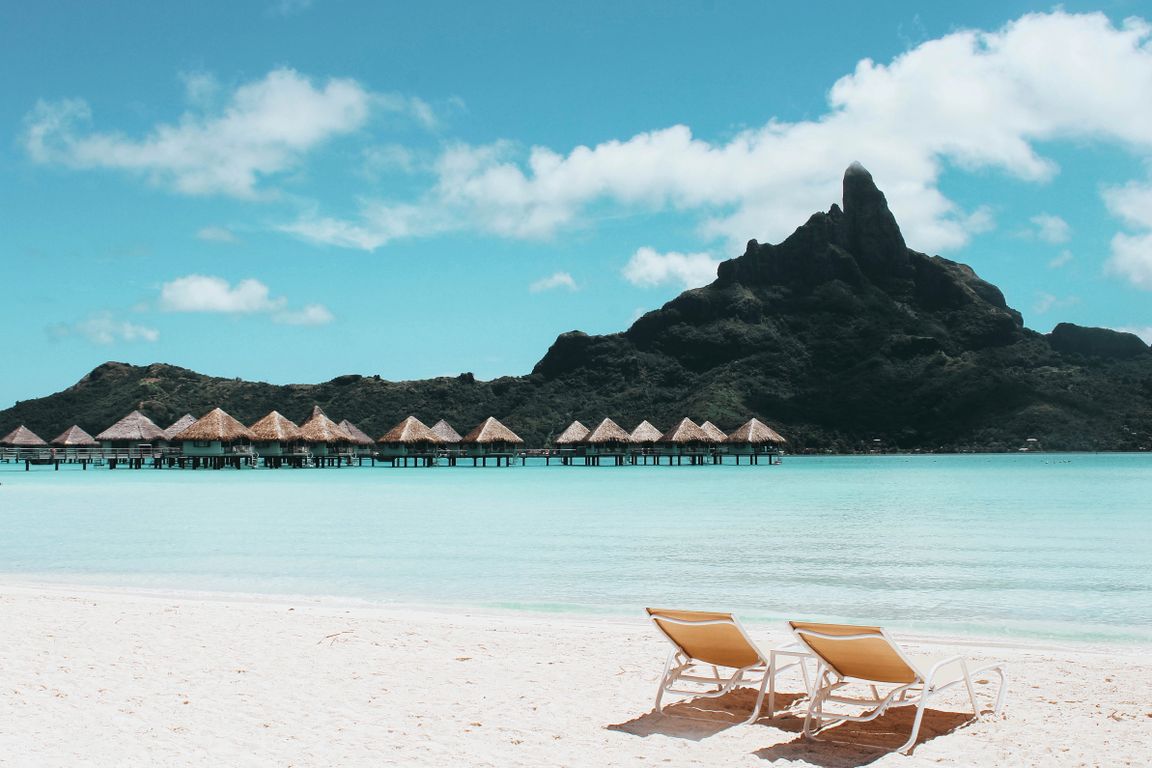
Mirissa is a crescent-shaped beach on the south coast that splits its personality between backpacker party spot and quiet fishing village, depending on which direction you walk. I stayed at the quiet end, in a room 200 meters from the sand, for 9,000 LKR ($27). The beach itself is genuinely beautiful: palm trees leaning over golden sand, warm water, and the kind of lazy surf that does not require any skill to enjoy.
The main event in Mirissa, aside from the beach, is whale watching. Sri Lanka sits along a major migration route for blue whales and sperm whales, and the waters off the south coast are one of the best places in the world to see them. I booked a morning trip with a local operator for 8,500 LKR ($25.76). The boat left at 6:30 a.m. and spent about three hours out on the open water.
We saw two blue whales. Let me say that again because it deserves repetition. We saw two blue whales. The largest animal ever to live on this planet, right there, close enough that I could hear the exhale when they surfaced. The spout of water rose six meters into the air. The back rolled through the surface like a slow, dark hill. And then the fluke lifted, water streaming off it, and the whale sounded. I sat in the back of the boat and felt something I can only describe as scale, the sudden awareness of how large the world is and how small you are in it.
I also spent an afternoon at Unawatuna, a bay about 40 minutes east by tuk-tuk, which is more sheltered and better for swimming. The Japanese Peace Pagoda on the hill above the bay offers good sunset views. Tuk-tuk from Mirissa to Unawatuna and back: 2,500 LKR ($7.58).
Budget tip: Whale watching prices vary wildly. Book directly with boat operators at the harbor rather than through hotel tour desks, and you can save 30-40%. The boats are the same. Bring motion sickness tablets; the sea can be rough.
Return and What I Took Home
I returned to Colombo by express bus from the south coast, about three hours on the Southern Expressway, which is the one road in Sri Lanka where traffic actually flows at highway speeds. The ticket was 750 LKR ($2.27). I spent my last evening walking along Galle Face Green again, eating isso vadai, watching the kites.
In seven days, I spent approximately 85,000 LKR ($258) on everything: accommodation, food, transport, entrance fees, and the whale watching trip. Sri Lanka is not the cheapest country in Southeast Asia (it is not technically in Southeast Asia, a geographical fact that Sri Lankans will gently correct you on), but it is remarkable value for what you get.
What I took home, besides a suitcase that smelled permanently of cinnamon, was a set of impressions that resist easy summary. The generosity of people who have recently been through genuine hardship. The quality of the food, which is among the best I have eaten anywhere, and I have eaten in a lot of anywheres. The landscapes, which shift from tropical coast to mountain jungle to ancient ruin within a few hours. The complexity of a country that holds Buddhism, Hinduism, Islam, and Christianity in close quarters, not always easily, but with a daily practice of coexistence that many wealthier nations could learn from.
Sri Lanka is not a simple destination. The scars of the civil war and the economic crisis are visible if you look, and you should look. But it is a country that welcomes visitors with a warmth that feels unperformative, rooted in something genuine. The island has been receiving travelers for thousands of years. Arab traders, Portuguese colonizers, British imperialists, and now backpackers with selfie sticks. It absorbs them all, feeds them rice and curry, and sends them home changed.
I left at 2 a.m. again, on a flight out of Bandaranaike. The airport air conditioning was still struggling. But this time, I did not mind the heat.
Practical Information for Planning Your Trip
Getting there: Bandaranaike International Airport (CMB) receives flights from most major Asian and Middle Eastern hubs. Budget carriers like AirAsia and IndiGo offer competitive fares from Kuala Lumpur and South Indian cities. The Electronic Travel Authorization (ETA) costs $50 and can be applied for online before departure.
Budget tip: The Sri Lankan rupee has stabilized since the 2022 crisis, but exchange rates fluctuate. Bring US dollars or euros and exchange at commercial banks in Colombo for the best rates. ATMs are widely available but charge withdrawal fees of 400-500 LKR ($1.21-$1.52) per transaction. Withdraw larger amounts less frequently to minimize fees.
Getting there: For internal transport, the Sri Lanka Railways network is extensive and extraordinarily cheap. Second-class reserved seats offer the best experience on scenic routes. Buses go everywhere, cost almost nothing, and run frequently. Tuk-tuks are the default last-mile transport; agree on a price before getting in, or insist on the meter. A reasonable tuk-tuk rate is about 60-80 LKR per kilometer.
Budget tip: If you eat where locals eat, budget 1,500-2,500 LKR ($4.50-$7.50) per day for three meals. Tourist-oriented restaurants will double or triple that. The best food in Sri Lanka is almost always the cheapest food in Sri Lanka. Look for places with high turnover, rice and curry buffets where you serve yourself, and streetside kottu roti vendors working the griddle after dark.
Budget tip: Travel during shoulder season (April-May or September-October) for lower accommodation prices and fewer crowds at major sites. The southwest coast has its best weather from November to April; the east coast and Cultural Triangle are best from April to September. There is almost always good weather somewhere on the island.
Seven days is enough to scratch the surface. To go deeper, to visit Jaffna in the north, the east coast beaches at Arugam Bay, the hill country around Nuwara Eliya, or the leopards at Yala National Park, you would want two weeks minimum. But a week gave me more than many trips twice that length. Sri Lanka is dense, in the best possible way.
