
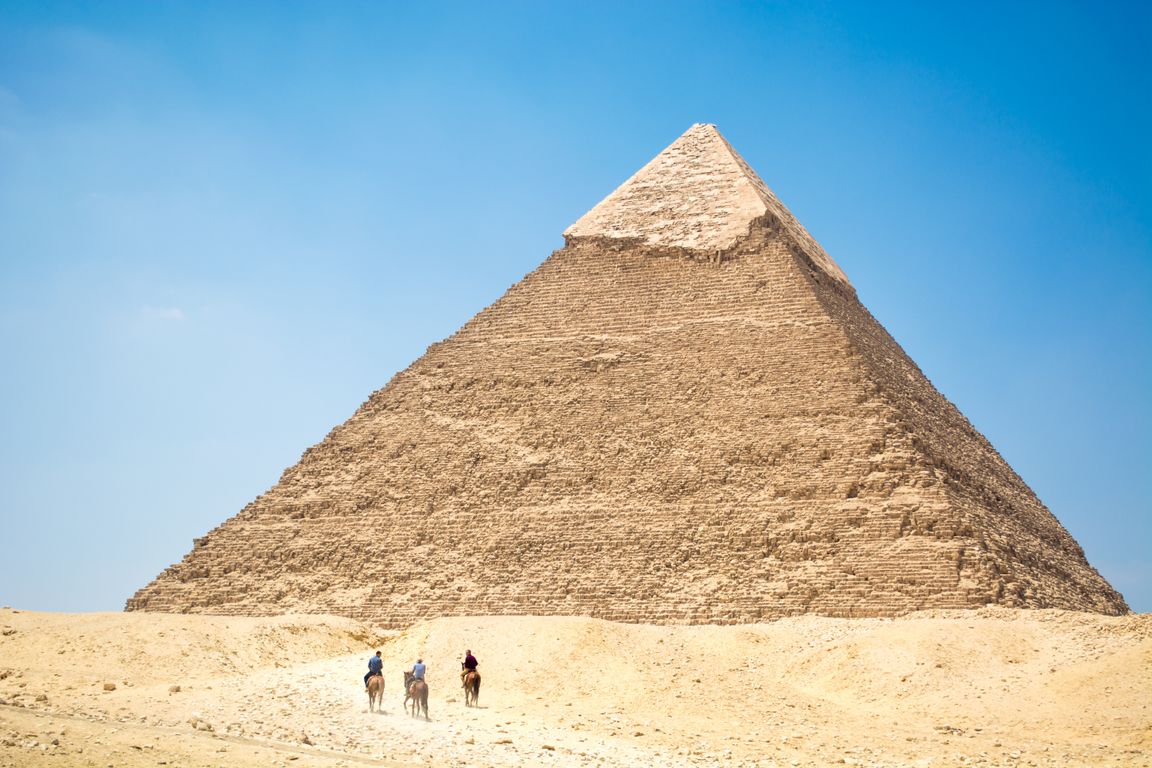
The first time I saw the Great Pyramid of Giza, I was standing in the parking lot of a Pizza Hut. That is not a joke. There is genuinely a Pizza Hut with a direct view of one of the Seven Wonders of the Ancient World, and that surreal collision of ancient and modern is Egypt in a single frame. Over seven days, I traced a route from the chaos of Cairo south through Luxor, Aswan, and the far-flung temples of Abu Simbel, spending roughly 38,000 EGP (about $790 USD) along the way. This is not a highlights reel. This is the trip as it actually happened: the awe, the scams, the best koshari I have ever eaten, and the overnight train that nearly broke me.
My route ran Cairo (2 days), Luxor (2 days), Aswan (2 days), an Abu Simbel day trip, then a final night back in Cairo. It is the classic Nile corridor itinerary, and for good reason: it packs 5,000 years of history into one week without requiring a single internal flight (though I took one anyway). I have traveled through Egypt three times now, most recently in early 2026, and every visit reshuffles my assumptions about what budget travel can look like in the Middle East.
1. THE PYRAMIDS AND THE SPHINX AT GIZA
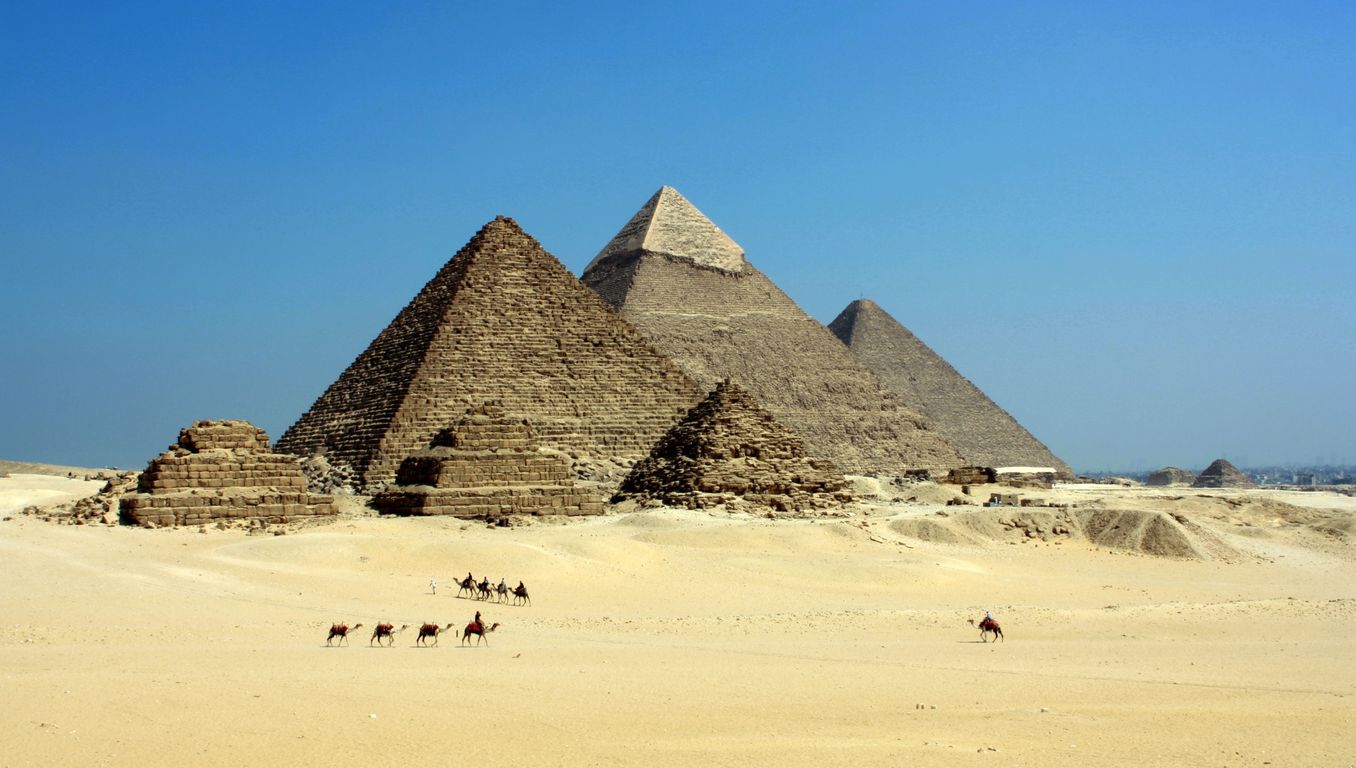
Get there early. I cannot stress this enough. The Giza Pyramid Complex opens at 7:00 a.m. in summer and 8:00 a.m. in winter, and the difference between arriving at opening and arriving at 10:00 a.m. is the difference between a spiritual experience and a theme park. General admission is 240 EGP (about $5 USD), and entering the Great Pyramid itself costs an additional 440 EGP ($9.20 USD). I paid it, crawled up the narrow ascending passage in a hunch that made my back ache for two days, and stood alone in the King’s Chamber for roughly ninety seconds before another group arrived. Worth every piaster.
The Sphinx sits at the eastern edge of the complex, smaller than you expect but more arresting. Its face has been staring east for approximately 4,500 years, and standing in front of it at dawn, watching the sun rise directly behind Cairo’s skyline, produces a feeling I have never managed to replicate anywhere else. Skip the camel rides offered aggressively at the entrance. They cost 500 to 1,000 EGP ($10 to $21 USD) for a ten-minute loop, and the animals often look underfed. If you want the classic camel-and-pyramid photo, walk to the Panoramic Viewpoint on the western plateau, where licensed operators charge a more reasonable 300 EGP ($6.25 USD) for a proper thirty-minute ride.
For lunch, skip the tourist traps lining Al-Haram Street and take a Uber (yes, Uber works excellently in Cairo) ten minutes to Abou Shakra in Giza, a local institution since 1947. A quarter kilo of grilled kofta with rice, salad, and tahini costs about 180 EGP ($3.75 USD), and the portions are enormous. The restaurant has no English menu, but the staff are used to pointing tourists in the right direction.
One honest warning: the touts at Giza are relentless. You will be told the complex is closed, that you need a special guide, that there is a “government camel program” available only today. None of it is true. Walk with purpose, decline politely but firmly, and keep your ticket visible. The actual site guards in uniform are generally helpful and leave you alone.
Planning tip: Buy your tickets online at the official Ministry of Tourism and Antiquities website the day before. The on-site ticket office has long queues by 9:00 a.m., and the online ticket lets you walk past them. Student discounts (50%) require a valid ISIC card, not just any university ID.
2. KHAN EL-KHALILI AND CAIRO’S ISLAMIC QUARTER
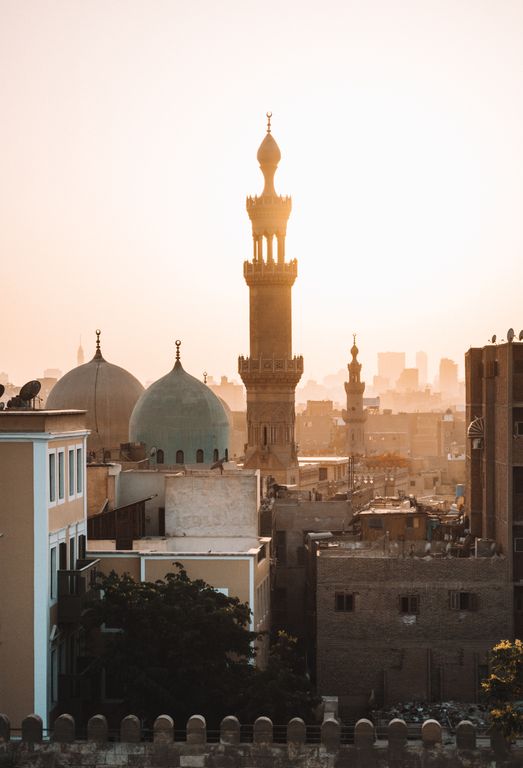
If Giza is Egypt’s grand overture, Khan el-Khalili is the chaotic, sensory-overloading main act. This bazaar has operated continuously since 1382, and walking through its narrow alleys feels like stepping into a medieval souk that someone accidentally left running for six centuries. The air smells of cumin, cardamom, and shisha smoke. Brass lamps throw geometric shadows on limestone walls. A shopkeeper offers you tea before you have even looked at his wares. Say yes to the tea. Always say yes to the tea.
The bazaar sprawls through several interconnected streets in the heart of Islamic Cairo, and the best approach is to enter from Al-Muizz Street, one of the oldest thoroughfares in the city. Start at Bab el-Futuh, the imposing 11th-century northern gate, and walk south. Along the way you will pass the Al-Hakim Mosque, the stunning Qalawun Complex with its intricate Mamluk stonework, and eventually emerge into the bazaar proper near the Al-Hussein Mosque. The walk is free, the architecture is extraordinary, and the density of history per square meter rivals anything in Rome or Istanbul.
In the bazaar itself, prices are negotiable on everything. A hand-hammered copper tray starts at 800 EGP ($16.70 USD) but can often be talked down to 400 EGP ($8.30 USD). Small alabaster scarabs go for 50 to 150 EGP ($1 to $3 USD). Papyrus paintings range wildly from 100 to 2,000 EGP depending on size, quality, and your bargaining stamina. My rule: decide what the item is worth to you, offer 40% of the asking price, and meet somewhere in the middle. If the seller says no, walk away. You will be called back roughly 70% of the time.
For a rest stop, find El Fishawi, the famous mirror-lined cafe that has supposedly been open 24 hours a day since 1797. A glass of mint tea costs 40 EGP ($0.85 USD) and a shisha pipe runs about 80 EGP ($1.65 USD). It is tourist-heavy, yes, but the atmosphere is genuinely wonderful, and Nobel laureate Naguib Mahfouz used to write here. Sit, sip, and watch the bazaar swirl around you.
Planning tip: Visit Khan el-Khalili in the late afternoon, around 4:00 to 5:00 p.m. The heat has broken, the lamps are lit, and the bazaar stays open until 11:00 p.m. or later. Avoid Fridays before 2:00 p.m. when many shops close for prayers. Keep your phone in a front pocket and carry cash in small denominations for purchases.
3. EGYPTIAN STREET FOOD DEEP-DIVE
Egyptian street food is one of the great underrated cuisines on the planet, and eating your way through Cairo on a budget is almost absurdly easy. The national dish is koshari, a towering bowl of rice, macaroni, lentils, chickpeas, crispy fried onions, and a tangy tomato-vinegar sauce. It costs between 25 and 60 EGP ($0.50 to $1.25 USD) depending on size and location, and the best version I found was at Koshary Abou Tarek in downtown Cairo, a four-story restaurant that serves nothing else. A large bowl with extra crispy onions ran me 55 EGP ($1.15 USD), and I ate there three times in seven days.
Ful medames (stewed fava beans) and ta’ameya (Egyptian falafel, made with fava beans rather than chickpeas, producing a brighter green interior and a lighter crunch) are the breakfast staples. A sandwich of either from a street cart costs 10 to 20 EGP ($0.20 to $0.40 USD). I am not exaggerating. For less than half a dollar, you get a warm baladi bread pocket stuffed with beans, pickled turnips, and a drizzle of tahini. The best ful cart I found was near Talaat Harb Square, operated by a man whose name I never learned but whose beans I still dream about.
Shawarma in Cairo is a different animal from its Levantine cousin. The sandwiches are smaller, wrapped in thin bread, and often come with a fiery red chili sauce that sneaks up on you. A shawarma sandwich at Kazaz in Zamalek costs about 70 EGP ($1.45 USD), and the meat is carved from towering spits that rotate behind glass. For something sweet, try Om Ali, Egypt’s answer to bread pudding, a baked dish of puff pastry, milk, nuts, and raisins served bubbling hot. A portion at El Abd Bakery near Tahrir Square costs 65 EGP ($1.35 USD) and is rich enough to serve as dinner.
A word of caution on street food hygiene: my stomach held up fine across three trips, but I follow strict rules. I eat only from stalls with high turnover (the food is freshly cooked), I avoid raw salads from carts, and I drink only bottled water. Tap water in Egypt is treated but often has mineral content that upsets foreign stomachs. A 1.5-liter bottle of water costs 10 to 15 EGP ($0.20 to $0.30 USD) everywhere.
Planning tip: Download the Talabat app (Egypt’s main food delivery service) for times when you are too exhausted to leave your hotel. Most downtown Cairo restaurants deliver for a fee of 15 to 30 EGP ($0.30 to $0.60 USD). Also, vegetarians will find Egypt remarkably easy. Koshari, ful, ta’ameya, and feteer (flaky layered pastry) are all naturally meat-free.
4. LUXOR’S VALLEY OF THE KINGS AND KARNAK
Luxor is often called the world’s greatest open-air museum, and for once the hyperbole is justified. I arrived on the overnight Egyptian National Railways sleeper train from Cairo (more on that in Chapter 8), stumbled out at Luxor Station at 6:30 a.m., and by 7:15 a.m. was standing inside a 3,300-year-old tomb in the Valley of the Kings. The standard ticket costs 300 EGP ($6.25 USD) and grants access to three tombs. The tomb of Ramesses IV (KV2) has the best-preserved ceiling, a stunning deep-blue astronomical chart. The tomb of Ramesses IX (KV6) has vivid painted walls. But the star is Tutankhamun’s tomb (KV62), which requires a separate 360 EGP ($7.50 USD) ticket and is smaller than you imagine but buzzing with the eerie knowledge that Howard Carter stood in this exact spot in 1922.
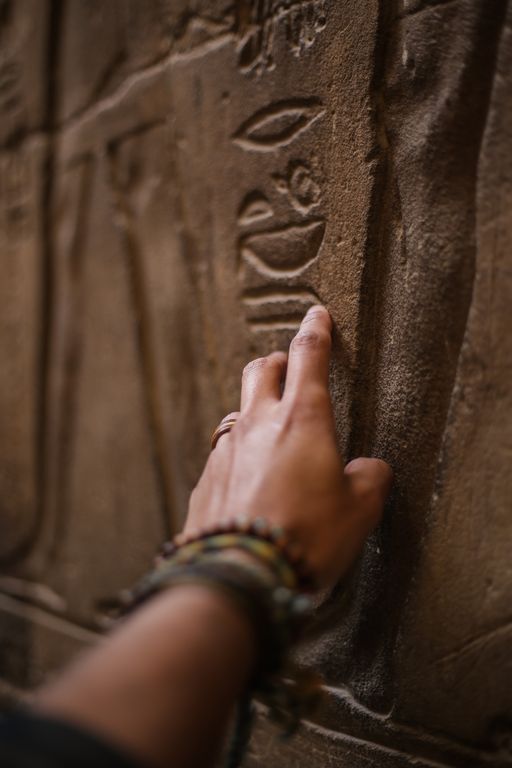
On the East Bank, Karnak Temple is the single most impressive ancient site I have ever visited, anywhere. The Great Hypostyle Hall contains 134 columns arranged in 16 rows, each one carved with hieroglyphics and standing taller than most apartment buildings. General admission is 300 EGP ($6.25 USD). Go at sunset if you can. The light turns the sandstone columns gold, then amber, then deep orange, and the shadows between the columns lengthen until the hall feels like a stone forest. I sat on a fallen block for thirty minutes and did not want to leave.
Luxor Temple, a fifteen-minute walk south along the Corniche, is included on a separate 200 EGP ($4.15 USD) ticket and is particularly stunning after dark, when it is illuminated with floodlights. The Avenue of Sphinxes, a 2.7-kilometer processional road lined with sphinx statues connecting Karnak and Luxor temples, was fully restored and reopened in 2021 and is free to walk along.
I stayed at Nefertiti Hotel on the West Bank, a no-frills guesthouse with clean rooms, air conditioning, and a rooftop terrace with direct views of the Theban Hills. A double room cost 900 EGP ($18.75 USD) per night including a simple breakfast of ful, bread, cheese, and tea. The owner, known to every backpacker simply as Mohammed, arranges bicycle rentals for 100 EGP ($2.10 USD) per day, which is the best way to explore the West Bank’s quieter temples like Medinet Habu and the Ramesseum.
Planning tip: Start on the West Bank at dawn (the Valley of the Kings opens at 6:00 a.m.) when temperatures are tolerable, then cross to the East Bank for Karnak in the late afternoon. The midday heat in Luxor between May and September is brutal, regularly exceeding 42 degrees Celsius (108 Fahrenheit). Carry at least two liters of water and a hat. The ferry across the Nile from the East Bank to the West Bank costs 10 EGP ($0.20 USD) each way and runs every fifteen minutes.
5. NILE FELUCCA SAILING AND ASWAN
Aswan is where Egypt exhales. After the intensity of Cairo and the archaeological density of Luxor, arriving in Aswan feels like stepping into a slower, gentler country. The Nile here is wide and blue, dotted with granite boulders and green islands, and the pace of life drops to something approaching peaceful. I took the daytime train from Luxor to Aswan, a three-hour journey through sugarcane fields and small villages, costing 75 EGP ($1.55 USD) in second class.
The essential Aswan experience is a felucca ride on the Nile. These traditional wooden sailboats have plied these waters for centuries, and a two-hour sunset cruise costs between 200 and 400 EGP ($4.15 to $8.35 USD) per boat, which can hold four to six passengers. I negotiated 250 EGP ($5.20 USD) at the Corniche near the Old Cataract Hotel and spent two hours gliding past Elephantine Island, the Aga Khan Mausoleum on the west bank, and the lush gardens of Kitchener’s Island (also called the Botanical Garden, entry 30 EGP or $0.60 USD). The captain, a Nubian man named Hassan, served sweet hibiscus tea from a thermos and pointed out birds I could not identify. It was the most relaxed I felt in the entire week.
Aswan’s Nubian culture is distinct from the rest of Egypt, and a visit to a Nubian village on the west bank is highly recommended. Boat transfers cost about 100 EGP ($2.10 USD) each way, and once there, families open their brightly painted homes for tea and conversation. Some charge a small fee of 50 to 100 EGP ($1 to $2 USD), which is fair. The houses are decorated in vivid blues, yellows, and greens, and many keep small pet crocodiles in concrete enclosures in their yards, a Nubian tradition that startled me considerably.
The Philae Temple, dedicated to the goddess Isis and relocated to Agilkia Island after the construction of the Aswan High Dam, is reached by a short motorboat ride from the Philae Marina. The boat costs 100 to 150 EGP ($2 to $3 USD) per person for a group, and temple admission is 300 EGP ($6.25 USD). The temple is gorgeous, its columns reflected in the surrounding water, and the nightly sound and light show (350 EGP or $7.30 USD) is surprisingly well done.
Planning tip: Stay on the Corniche for easy felucca access. I booked at Keylany Hotel, a well-run budget hotel with Nile-view rooms for 700 EGP ($14.60 USD) per night. The rooftop restaurant serves decent grilled fish for about 120 EGP ($2.50 USD). Aswan’s souk, a long market street parallel to the Corniche, is less aggressive than Khan el-Khalili and excellent for buying Nubian spices, dried hibiscus flowers (karkade), and handwoven baskets.
6. ABU SIMBEL TEMPLES
Abu Simbel is 280 kilometers south of Aswan, roughly three hours by road through some of the emptiest desert I have ever seen. The standard way to visit is a guided day trip departing Aswan at 4:00 a.m. in a convoy of minibuses, arriving at the temples by 7:00 a.m. The cost through most Aswan hotels is 600 to 900 EGP ($12.50 to $18.75 USD) per person including transport but not the temple entry fee of 300 EGP ($6.25 USD). I booked through Keylany Hotel for 700 EGP ($14.60 USD) and found the minibus comfortable enough, though the 3:30 a.m. wake-up call was painful.
Nothing prepares you for Abu Simbel. The four colossal seated statues of Ramesses II at the entrance to the Great Temple are each 20 meters tall, carved directly into the rock face, and their scale is genuinely disorienting. You know they are large from photographs, but standing at their feet and craning your neck upward produces a physical, visceral reaction. Inside, the temple extends 56 meters into the artificial mountain, its walls covered in painted reliefs depicting Ramesses at the Battle of Kadesh. The smaller Temple of Hathor, dedicated to Ramesses’ favorite wife Nefertari, sits adjacent and is arguably more beautiful, its six standing statues framing the entrance with elegant symmetry.
The extraordinary backstory of Abu Simbel is that the entire complex was moved. In the 1960s, the construction of the Aswan High Dam threatened to submerge the temples under Lake Nasser. A UNESCO-led international effort cut the temples into 1,036 blocks, each weighing between 20 and 30 tonnes, and reassembled them 65 meters higher and 200 meters back from the original site. The engineering is invisible. Standing inside, you would never know the entire mountain is artificial.
You get approximately two hours at the site, which is enough. The temples are compact, and there is not much else at Abu Simbel beyond a small visitor center and a few souvenir shops. The return drive to Aswan arrives around 1:00 p.m., leaving your afternoon free. If budget allows, EgyptAir flies Aswan to Abu Simbel in 30 minutes for around 3,500 EGP ($73 USD) one way, but the flight schedule is irregular and cancellations are common.
Planning tip: If you visit between October and February, try to be inside the Great Temple on February 22 or October 22, when the sun aligns perfectly to illuminate the inner sanctuary statues. This solar alignment was deliberately engineered by the original builders and draws large crowds. For the rest of the year, bring a good flashlight or headlamp to see the interior reliefs clearly, as the temple interior is dim.
7. THE EGYPTIAN MUSEUM AND COPTIC CAIRO
Back in Cairo for my final day, I devoted the morning to the Grand Egyptian Museum (GEM) near Giza, which fully opened in 2024 after nearly two decades of construction. General admission is 600 EGP ($12.50 USD) for foreign visitors, and the Tutankhamun galleries require an additional 400 EGP ($8.35 USD). This is significantly more expensive than the old Egyptian Museum in Tahrir Square, but the GEM is a different beast entirely. The collection is staggering: over 100,000 artifacts displayed across exhibition halls the size of aircraft hangars, with Tutankhamun’s 5,398 grave goods finally shown together in full for the first time. I spent four hours and barely covered half the galleries.
The showpiece is, of course, Tutankhamun’s death mask, 11 kilograms of solid gold inlaid with lapis lazuli and carnelian. But I was equally moved by the smaller objects: a pair of child-sized sandals found in the tomb, a withered floral garland that had been placed on the boy king’s coffin, a board game tucked into the burial goods for entertainment in the afterlife. These small, human details collapsed the distance between our world and his more effectively than any monument ever could.
In the afternoon, I took the Cairo Metro (tickets cost a flat 8 EGP or $0.17 USD regardless of distance) to Mar Girgis station and walked into Coptic Cairo, a walled enclave that predates Islamic Cairo by centuries. The Hanging Church (Al-Mu’allaqa), built atop the gatehouse of a Roman fortress, has a nave supported by marble columns and a wooden roof shaped like Noah’s Ark. Entry is free. Nearby, the Church of Saints Sergius and Bacchus (Abu Serga) is built over a crypt where the Holy Family supposedly sheltered during their flight to Egypt. The Coptic Museum (100 EGP or $2.10 USD) houses the finest collection of Coptic art in the world, including remarkable textile fragments and illuminated manuscripts.
Coptic Cairo is small enough to explore in two to three hours and is mercifully calm compared to the rest of the city. The narrow streets between the churches are lined with old stone walls and the occasional cat. For dinner on my last night, I went to Zooba in Zamalek, a modern Egyptian restaurant that elevates street food staples into something approaching fine dining. A haloumi and za’atar feteer with a side of beet hummus and a fresh guava juice cost me 340 EGP ($7.10 USD), and it was the best meal of the trip.
Planning tip: The Grand Egyptian Museum is enormous. Rent the audio guide (150 EGP or $3.15 USD) or book a guided tour to avoid overwhelm. The museum’s location near Giza makes it logical to combine with a Pyramids visit if you have limited time. Photography is allowed in most galleries but not in the Tutankhamun mask room. The museum is closed on Mondays.
8. GETTING AROUND EGYPT: THE TRANSPORT GUIDE
Egypt’s transport network is sprawling, occasionally chaotic, and remarkably cheap. Here is how I moved between cities, what it cost, and what I wish I had known.
Cairo to Luxor by sleeper train: The Abela Egypt sleeper service departs Cairo Station nightly around 8:00 p.m. and arrives in Luxor at approximately 5:30 a.m. A one-way ticket for foreigners costs about 1,500 EGP ($31.25 USD) and includes a basic dinner and breakfast, plus a narrow bunk bed in a shared two-person cabin. Book through the Abela Egypt website or at the Cairo Station international ticket office. The train is old, the air conditioning is unpredictable, and the tracks produce a rhythmic rattling that is either soothing or maddening depending on your temperament. I found it maddening. Bring earplugs and a sleep mask.
Cairo to Luxor by domestic flight: EgyptAir and Nile Air fly the route daily, with one-way fares starting around 2,400 EGP ($50 USD) if booked two to three weeks ahead. Flight time is one hour. This is the comfortable option and only marginally more expensive than the sleeper train once you factor in the sanity saved. Cairo Airport Terminal 2 (domestic) is manageable but allow 90 minutes for check-in.
Luxor to Aswan by daytime train: Second-class air-conditioned trains run several times daily, take about three hours, and cost 75 to 120 EGP ($1.55 to $2.50 USD). Buy tickets at the station. The scenery along this stretch of the Nile is beautiful: palm groves, sugarcane fields, donkeys pulling carts along dirt roads, the river appearing and disappearing on the east side. First class costs about 180 EGP ($3.75 USD) and is marginally more comfortable but not necessary.
Within Cairo: The Cairo Metro is the fastest way to cross the city and costs a flat 8 EGP ($0.17 USD) per ride. Line 1 (red) connects Giza to old Cairo. Line 2 (yellow) runs through downtown. The front car of each train is reserved for women only, though women can ride in any car. Uber and Careem work well in Cairo and are far cheaper than hotel taxis. A typical Uber from downtown Cairo to Giza costs 80 to 120 EGP ($1.65 to $2.50 USD) depending on traffic. Regular yellow taxis do not use meters, so you must negotiate the fare before getting in.
Between sites in Luxor and Aswan: Local taxis, usually old Peugeot 504s with no air conditioning, can be hired by the hour for about 150 to 200 EGP ($3.15 to $4.15 USD). Alternatively, hire a bicycle in Luxor’s West Bank for 100 EGP ($2.10 USD) per day or a motorboat in Aswan for island-hopping at negotiable rates.
Planning tip: Download the Uber app before arriving in Egypt. It is the single most useful transport tool in Cairo and works in Luxor as well (though coverage is thinner). For trains, the Egyptian National Railways website allows online booking, but it can be glitchy. Having a local SIM card (Vodafone Egypt, available at the airport for about 200 EGP or $4.15 USD with 10GB data) makes all transport coordination dramatically easier.
9. BUDGET BREAKDOWN: WHAT EGYPT ACTUALLY COSTS
Egypt is one of the cheapest destinations in North Africa and the Middle East, but costs vary enormously depending on your travel style. Below is my breakdown across three budget tiers for a 7-day Cairo-Luxor-Aswan-Abu Simbel itinerary, based on 2026 prices at an exchange rate of approximately 48 EGP to 1 USD.
| Category | Budget (per person) | Mid-Range (per person) | Comfort (per person) |
|---|---|---|---|
| Accommodation (7 nights) | 4,200 EGP / $87 USD (hostels, basic guesthouses) | 9,600 EGP / $200 USD (3-star hotels, private rooms) | 24,000 EGP / $500 USD (4-star hotels, Nile-view rooms) |
| Food (7 days) | 2,100 EGP / $44 USD (street food, local restaurants) | 4,800 EGP / $100 USD (mix of local and mid-range dining) | 9,600 EGP / $200 USD (hotel restaurants, fine dining) |
| Transport (all legs) | 2,400 EGP / $50 USD (trains, buses, metro) | 5,300 EGP / $110 USD (mix of trains and one domestic flight) | 12,000 EGP / $250 USD (domestic flights, private transfers) |
| Entrance Fees (all major sites) | 2,400 EGP / $50 USD (standard tickets, student discount where possible) | 3,600 EGP / $75 USD (standard tickets, including extras like Tut’s tomb) | 4,800 EGP / $100 USD (all tickets, audio guides, sound-and-light shows) |
| Activities (felucca, guides, tips) | 1,200 EGP / $25 USD | 3,400 EGP / $71 USD | 7,200 EGP / $150 USD |
| Miscellaneous (SIM, water, souvenirs) | 1,000 EGP / $21 USD | 2,100 EGP / $44 USD | 4,800 EGP / $100 USD |
| TOTAL (7 days) | 13,300 EGP / $277 USD | 28,800 EGP / $600 USD | 62,400 EGP / $1,300 USD |
My actual spend came to approximately 38,000 EGP ($790 USD), landing me squarely in the mid-range category with a few comfort splurges (the Grand Egyptian Museum’s Tutankhamun gallery, a nicer hotel on my last night in Cairo at the Hotel Longchamps in Zamalek for 2,200 EGP or $46 USD). The budget tier is absolutely achievable for disciplined travelers willing to eat street food, take second-class trains, and stay in dorm beds.
One critical note: Egypt has a two-tier pricing system for nearly all monuments and museums. Foreigners pay significantly more than Egyptian nationals. This is clearly posted and non-negotiable. Do not argue about it at ticket offices. The prices I have listed throughout this article are the foreign visitor rates, which are still remarkably affordable by international standards.
Planning tip: Bring USD or EUR in cash as a backup. Many hotels and tour operators in Luxor and Aswan quote prices in dollars or euros and offer slightly better rates for cash payment. ATMs are widespread in Cairo and Luxor but less reliable in Aswan, and withdrawal limits are typically 5,000 EGP ($104 USD) per transaction. Notify your bank before traveling to avoid card blocks.
10. CULTURAL ETIQUETTE AND STAYING SAFE IN EGYPT
Baksheesh (tipping) is embedded in Egyptian daily life and is not optional. It is how a significant portion of the service economy functions. Expect to tip bathroom attendants (5 to 10 EGP), hotel porters (20 to 30 EGP), restaurant servers (10 to 15% of the bill), tour guides (100 to 200 EGP per half day), and anyone who offers unsolicited help at monuments (10 to 20 EGP). Keep a pocket full of small notes at all times. This is not a scam. It is a deeply ingrained social system, and refusing to tip is considered rude. That said, you are not obligated to tip someone who aggressively forces a “service” on you, like the men who insist on guiding you through temples you did not ask for help navigating.
Dress code: Egypt is a conservative country, and dressing modestly is both respectful and practical. For women, covering shoulders and knees is advisable in most settings and required when entering mosques. A lightweight scarf is essential, both for mosque visits and sun protection. For men, shorts above the knee are acceptable in tourist areas but draw attention in local neighborhoods. At beach resorts on the Red Sea coast, dress codes relax considerably, but in Cairo, Luxor, and Aswan, modest dress avoids unwanted attention and shows cultural awareness.
Common scams to watch for: The “my uncle’s perfume shop” redirect, where a friendly local offers directions and steers you into a high-pressure retail situation. The “free gift” gambit, where someone hands you a souvenir and then demands payment. The fake ticket office near tourist sites, where unofficial sellers charge inflated prices for tickets you could buy at the gate. The taxi “broken meter” excuse, which is actually true because most Cairo taxis genuinely do not have functioning meters, but use Uber instead. And the Giza “special access” guide who claims the pyramids are closed to regular visitors. They are not. Walk past confidently.
Safety: Egypt is broadly safe for tourists in 2026. Cairo, Luxor, Aswan, and the main Nile corridor are well-policed, and violent crime against tourists is extremely rare. Petty theft exists but is less common than in many European cities. The greatest physical dangers are Cairo’s traffic (cross streets only at marked crossings and follow locals) and the heat in Upper Egypt. Politically, Egypt has been stable for several years, and tourist sites have visible security presence. The Sinai Peninsula (outside Sharm el-Sheikh) and the Western Desert near the Libyan border are areas some governments advise against, but neither is on this itinerary.
Ramadan: If your trip coincides with Ramadan (dates shift annually by the Islamic lunar calendar), be aware that many restaurants close during daylight hours, though tourist-facing establishments usually remain open. Eating, drinking, and smoking in public during fasting hours is considered disrespectful. On the positive side, the iftar (sunset breaking of the fast) atmosphere is magical, with streets coming alive and families sharing meals. It is a beautiful time to visit if you are prepared for adjusted schedules.
Planning tip: Learn three Arabic phrases and use them constantly: “Salaam aleikum” (peace be upon you, the universal greeting), “Shukran” (thank you), and “La, shukran” (no, thank you). These three phrases will smooth approximately 80% of your daily interactions. Egyptians are genuinely warm and hospitable people, and a small effort at their language is met with outsized appreciation.
YOUR 7-DAY EGYPT ROUTE AT A GLANCE
| Day | Location | Highlights | Overnight |
|---|---|---|---|
| 1 | Cairo | Pyramids of Giza, Sphinx, Panoramic Viewpoint | Cairo (Downtown or Zamalek) |
| 2 | Cairo | Khan el-Khalili, Islamic Cairo, Al-Muizz Street, street food tour | Cairo (overnight train departure) |
| 3 | Luxor | Valley of the Kings, Hatshepsut Temple, West Bank by bicycle | Luxor (West Bank guesthouse) |
| 4 | Luxor | Karnak Temple at sunset, Luxor Temple after dark, Avenue of Sphinxes | Luxor (daytime train to Aswan) |
| 5 | Aswan | Felucca sunset cruise, Nubian village visit, souk shopping | Aswan (Corniche hotel) |
| 6 | Abu Simbel / Aswan | Abu Simbel day trip (4 a.m. departure), Philae Temple afternoon | Aswan (flight or train to Cairo) |
| 7 | Cairo | Grand Egyptian Museum, Coptic Cairo, farewell dinner in Zamalek | Cairo (departure) |
This article contains affiliate links, which means I may earn a small commission if you book through certain links at no extra cost to you. Every hotel, restaurant, and experience mentioned was visited and paid for independently. Opinions are entirely my own.
Updated July 2026. All prices verified during a reporting trip in early 2026 at an exchange rate of approximately 1 USD = 48 EGP. Prices, schedules, and opening hours are subject to change. Check official sources before booking.
