
I didn’t plan to eat a meat pie at a gas station on the first day and call it a highlight. But the BP outside Hokitika had this steak and cheese thing for $6 NZD that was better than half the restaurants I’d booked for the trip. New Zealand’s South Island does that — it catches you off guard with the small things while the big scenery keeps your jaw somewhere around your knees. I drove 2,200 kilometers in seven days, spent about $2,800 NZD ($1,700 USD) on everything including the campervan, and came home with a memory card full of photos that all look fake. They’re not.
1. CHRISTCHURCH ARRIVAL
Christchurch is still rebuilding from the 2011 earthquake, and that’s part of what makes it interesting. The city center mixes shipping container malls with brand-new architecture, vacant lots with street art, and a general sense of reinvention that feels genuine rather than forced. The Transitional Cathedral — a triangular building made partly from cardboard tubes — is one of the more unusual churches you’ll ever walk into. Free to enter, worth ten minutes.
Pick up your rental car or campervan at the airport. I used Jucy — their CRIB model runs about $85-120 NZD ($52-73 USD) per day depending on season, includes basic insurance, and sleeps two adults if neither of you is particularly tall. Wicked Campers and Spaceship are cheaper but the vehicles show their age. Book at least two weeks ahead in summer (December-February) or you’ll get nothing.
If you arrive early, spend a few hours in the city. The Botanic Gardens are free and genuinely beautiful — 21 hectares of old trees, rose gardens, and the Avon River where you can watch people punting. The Canterbury Museum next door is also free and has a solid section on Antarctic exploration, given Christchurch’s role as a gateway to the ice.
Stock up at Pak’nSave or Countdown (the cheapest supermarket chains) before heading out. A week’s worth of campervan food — pasta, bread, eggs, canned tuna, instant noodles, coffee, fruit — runs about $80-100 NZD ($49-61 USD). Eating out on the South Island gets expensive fast. A decent cafe lunch is $18-25 NZD ($11-15 USD), dinner at a mid-range restaurant $30-50 NZD ($18-30 USD).
Getting there: Christchurch Airport (CHC) has direct flights from Auckland ($80-200 NZD one way with Air New Zealand or Jetstar), Sydney, Melbourne, Singapore, and seasonal routes from other Asian cities. The airport is 15 minutes from the city center. Uber works. A taxi costs about $45-55 NZD ($27-34 USD).
Budget tip: Freedom camping is legal in certified self-contained vehicles at designated sites. The CamperMate app shows every free and paid campsite in New Zealand. DOC (Department of Conservation) campsites cost $8-15 NZD ($5-9 USD) per person and are usually in stunning locations with basic toilets and sometimes cold showers.
2. KAIKOURA WHALE WATCHING AND COAST
The drive from Christchurch to Kaikoura takes about two and a half hours on SH1, hugging the coast for the last hour with the Seaward Kaikoura Range rising straight out of the ocean on your left. It’s one of those drives where you keep pulling over for photos and then realizing you’ve only gone three kilometers.
Kaikoura exists because of a deep underwater canyon close to shore where cold and warm currents meet, creating a feeding ground that attracts sperm whales year-round. Whale Watch Kaikoura runs boat tours for $150 NZD ($92 USD) per adult, about 2.5 hours, with a 95% success rate of spotting sperm whales. The whales surface, breathe for 8-10 minutes, then lift their flukes and dive again. I saw three on my trip plus a pod of dusky dolphins. If you don’t see a whale, they refund 80%.
The seal colony at Point Kean is free and you can walk right up to within a few meters of fur seals lounging on the rocks. They smell terrible and couldn’t care less about you. There’s a dedicated walkway — stay on it and keep at least 10 meters back, especially from the bulls. The seals are there year-round but pups are around from November to January.
Kaikoura’s crayfish (lobster) is the other draw. The town is literally named after it — “kai” means food, “koura” means crayfish in Māori. Nin’s Bin, a roadside caravan 20 minutes north of town, sells half a crayfish for about $35-40 NZD ($21-24 USD). Sounds expensive until you see the size. Whole crayfish at restaurants run $60-80 NZD ($37-49 USD). If that’s too much, fish and chips from any shop in town is $12-15 NZD ($7-9 USD) and perfectly good.
Budget tip: The Kaikoura Peninsula Walkway is free, takes about 3 hours, and loops around the coast past seal colonies, rock pools, and seabird nesting areas. You don’t need the whale watch tour to have a good time here — the free stuff is excellent.
3. ABEL TASMAN KAYAKING
From Kaikoura, it’s a long drive (about 4.5 hours) across to the top of the South Island to reach Abel Tasman National Park. You can break it up with a stop in Nelson, a pleasant town with good craft breweries and a decent Saturday market. But Abel Tasman is the destination.
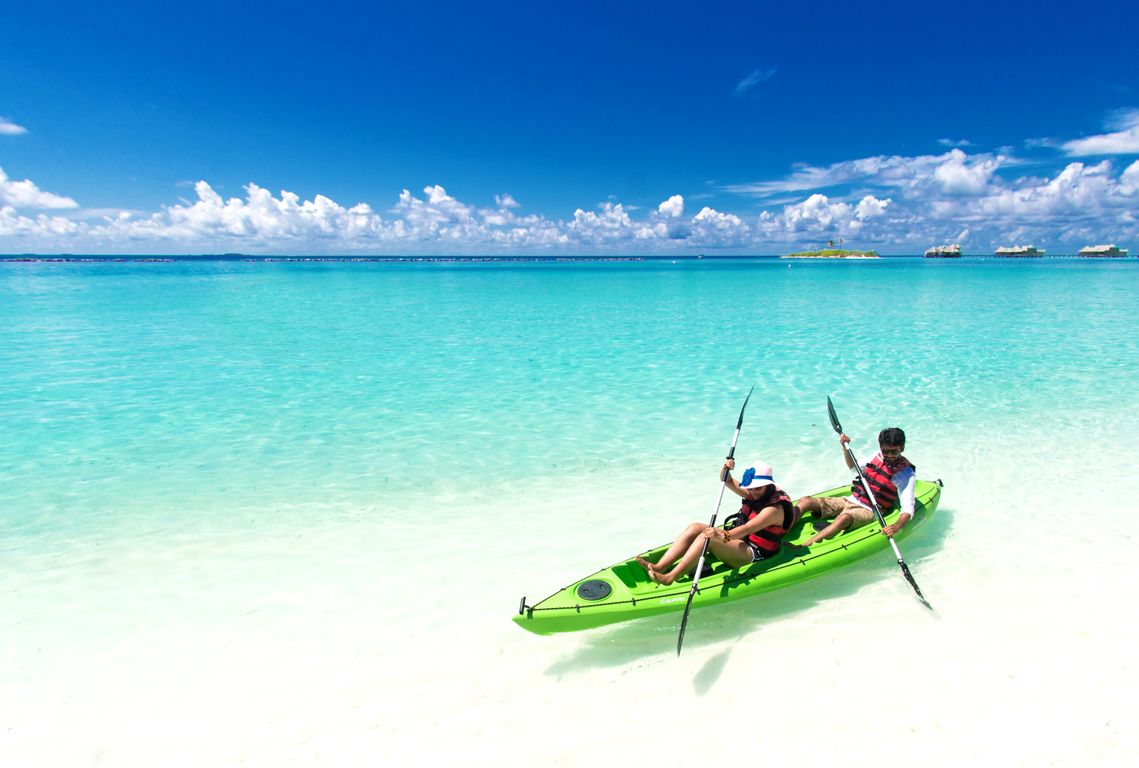
This is New Zealand’s smallest national park and its most accessible coastal one. Golden sand beaches, turquoise water that looks tropical until you get in and realize it’s about 16°C, and native bush growing right down to the waterline. The only way in is by foot, boat, or kayak — there are no roads into the park.
I did a half-day guided kayak trip with Abel Tasman Kayaks for $115 NZD ($70 USD). You paddle along the coast, stop at beaches that have no one on them, and if the tide is right, you can kayak into the Split Apple Rock — a giant boulder that looks like it’s been cleaved in half. Seals often pop up alongside the kayaks. Full-day trips run $195-230 NZD ($119-140 USD) and go further into the park with a lunch stop on a beach.
For the non-kayaking option, water taxis from Kaiteriteri or Marahau drop you at various beaches along the coast and pick you up later. You can hike sections of the Abel Tasman Coast Track between water taxi stops. A water taxi costs about $39-50 NZD ($24-30 USD) per sector. The walk from Bark Bay to Torrent Bay takes about 2 hours and is flat, shaded, and beautiful.
The full Abel Tasman Coast Track is a 3-5 day Great Walk (60km). If you only have one day, the kayak-and-hike combo gives you the best taste of the park without committing to a multi-day tramp.
Getting there: Marahau is the main access point, about 70km north of Nelson. There’s a car park at the trailhead ($15 NZD per day). Book kayak trips and water taxis at least a day ahead in summer — they do sell out.
4. FRANZ JOSEF GLACIER
The West Coast is where New Zealand stops being polite and gets weird. Thick rainforest, empty roads, mist hanging in valleys, and glaciers descending toward sea level — a combination that exists almost nowhere else on Earth. The drive from Abel Tasman to Franz Josef takes about 5.5 hours through Buller Gorge and down the coast, and almost every kilometer of it is scenic.
Franz Josef Glacier has retreated significantly — you can’t walk up to the terminal face anymore without a guided heli-hike. The free valley walk from the car park gets you to within about 750 meters, which is close enough to feel the cold air rolling off the ice and see the blue tint in the crevasses. It’s a 45-minute return walk on a flat, well-maintained path.
The heli-hike is the premium experience — a helicopter lands you on the glacier and you spend about 3 hours walking on the ice with crampons and a guide. Fox and Franz Josef Heliservices charges about $479-529 NZD ($292-323 USD). It’s expensive, and it’s spectacular. The ice formations, the crevasses, the color — photos don’t capture how blue the inside of a glacier actually is.
If the heli-hike is out of budget, the Franz Josef Hot Pools are $29 NZD ($18 USD) for adults and are genuinely relaxing after a day of driving. They’re natural-looking pools surrounded by native bush, not a chlorinated swim center. Open until 9pm, and going in the evening when it’s raining is actually the best time.
Budget tip: Franz Josef village is small and accommodation is limited. In summer, book ahead or you’ll end up driving to Hokitika (1.5 hours north). The Top 10 Holiday Park has powered campervan sites from $48-55 NZD ($29-34 USD) and unpowered from $22 NZD ($13 USD).
5. WANAKA AND ROY’S PEAK
Wanaka is the quieter, less touristy version of Queenstown, 45 minutes over the Crown Range Road. It sits on the edge of a lake surrounded by mountains and has enough going on for a full day without the stag-do energy of its neighbor.
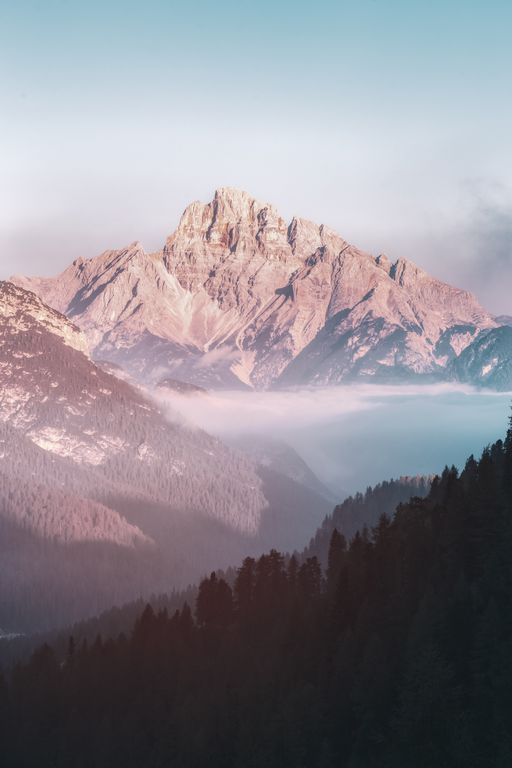
Roy’s Peak is the hike everyone does, and for good reason. It’s 16km return, gains about 1,300 meters of elevation, and takes 5-7 hours depending on your fitness. The trail is exposed — no shade, no shelter — so bring sunscreen, a hat, and plenty of water. The view from the top is the South Island’s greatest hits compressed into a single panorama: Lake Wanaka, Glendhu Bay, Mount Aspiring, and ranges folding into the distance. The famous photo spot with the ridge dropping away is about 45 minutes below the actual summit, but go to the top anyway.
The “Wanaka Tree” — a lone willow growing in the lake — is Instagram’s most photographed tree in New Zealand. It’s right on the lakefront, free to see, and looks best at sunrise when the lake is calm. Get there by 5:30am in summer or you’ll be fighting for angles with a crowd.
Wanaka also has Puzzling World ($22 NZD / $13 USD), which sounds like a tourist trap but is actually entertaining — the illusion rooms and maze are genuinely well done, especially with kids. And Cinema Paradiso, a movie theater with couches instead of seats and intermission where they serve fresh cookies, is worth catching a film if the weather turns bad.
Budget tip: The lakefront is free. Pack a picnic, find a spot on the pebble beach, and swim if you can handle water that’s about 12-15°C. The food truck cluster near the lake has decent options for $12-18 NZD ($7-11 USD).
6. QUEENSTOWN ADVENTURE CAPITAL
Queenstown is where New Zealand decided to put every adventure activity within a 30-minute radius of a single town. Bungy jumping, skydiving, jet boating, paragliding, mountain biking, skiing — if it involves adrenaline and a waiver, Queenstown has it.
The Nevis Bungy ($275 NZD / $168 USD) is the one that gets everyone — 134 meters, the highest bungy in Australasia. The AJ Hackett Kawarau Bridge bungy is cheaper ($205 NZD / $125 USD) and historical — it’s where commercial bungy jumping was invented in 1988. Both include transport from town. Shotover Jet ($159 NZD / $97 USD) does 360-degree spins in a canyon at 85km/h. Pure fear for 25 minutes.
For free thrills, the Queenstown Hill Time Walk is a 3-hour return hike with views over the lake and the Remarkables. The Ben Lomond Track is harder — 7-8 hours return with 1,400 meters of elevation gain — but the summit view covers Queenstown, Lake Wakatipu, and mountains in every direction.
The Skyline Gondola ($44 NZD / $27 USD) takes you to Bob’s Peak where you can do luge runs ($59 NZD / $36 USD for 5 rides), eat at the Stratosfare buffet restaurant, or just take in the view. The gondola combined with a few luge runs is honestly the most fun-per-dollar activity in town.
Fergburger is the famous burger joint and yes, there’s always a line and yes, it’s worth it. The Big Al burger ($16.50 NZD / $10 USD) is enormous. Go at an off-peak time (2-3pm) to avoid the worst of the queue. For cheaper eats, the Patagonia Chocolates ice cream down the street is $7.50 NZD for a double scoop.
Budget tip: Most adventure activities offer 10-20% discounts if you book online the day before instead of walking in. Check Bookme.co.nz for last-minute deals — I got a Milford Sound cruise for 40% off.
7. MILFORD SOUND
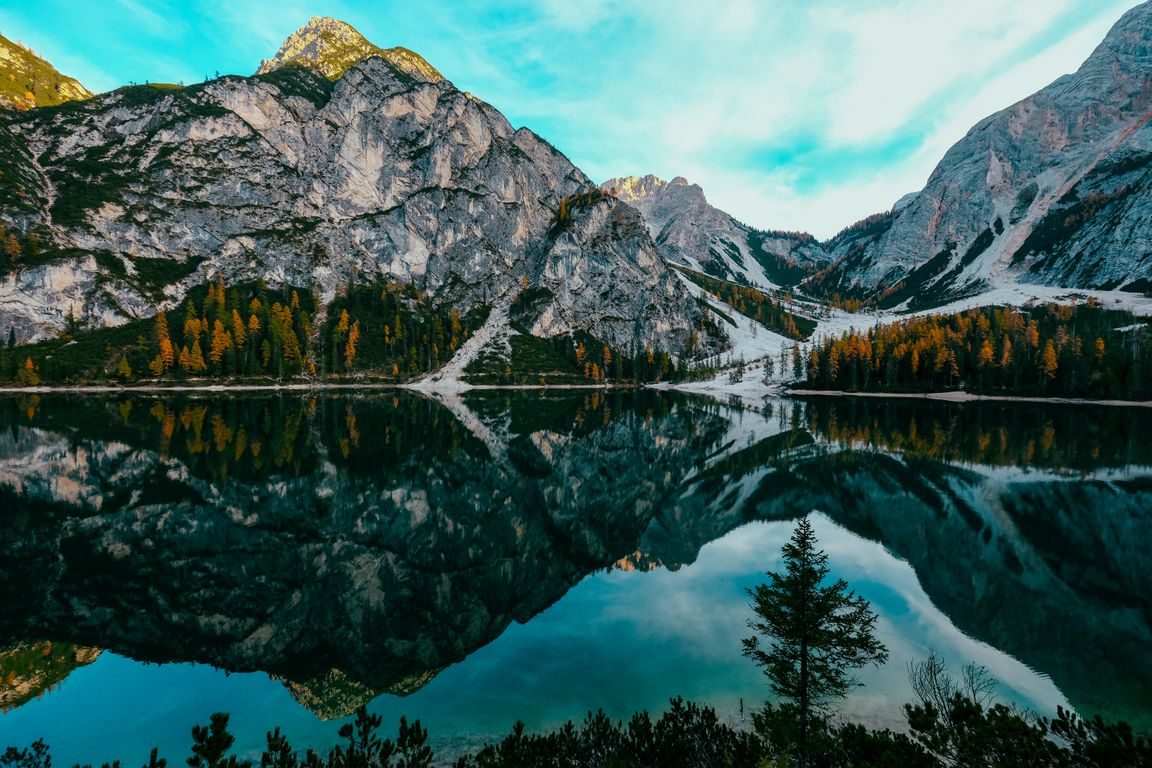
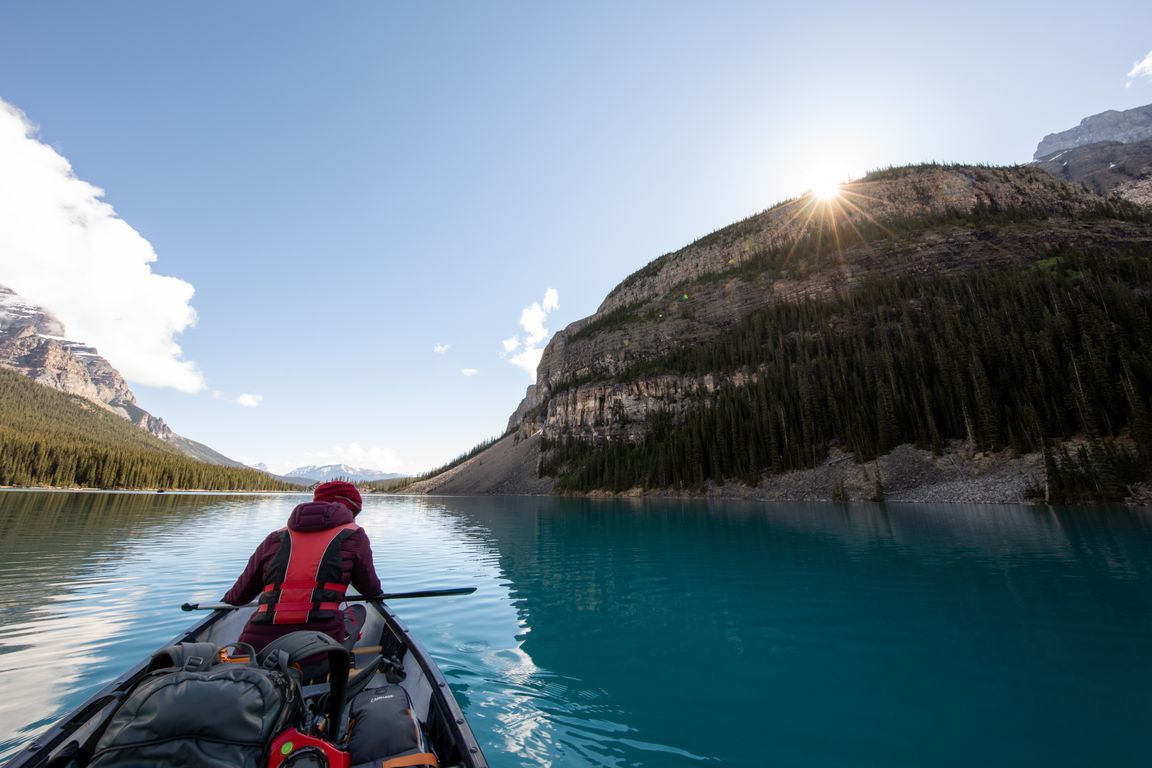
Milford Sound isn’t technically a sound — it’s a fiord, carved by glaciers, and it’s the most visited natural attraction in New Zealand for a reason. Mitre Peak rises 1,692 meters almost vertically from the water, waterfalls cascade down sheer cliff faces, and the whole place feels like it belongs in a documentary about places humans shouldn’t have found.
The drive from Queenstown takes about 3.5-4 hours one way through the Eglinton Valley, past Mirror Lakes (a quick 5-minute stop), through the Homer Tunnel (a 1.2km single-lane tunnel blasted through solid granite), and down the Cleddau Valley to the sound. The road itself is world-class scenic driving. Leave Queenstown by 7am to make a morning cruise.
Cruise options range from budget to premium. Southern Discoveries runs a 2-hour scenic cruise for about $79-99 NZD ($48-60 USD), which takes you the full length of the fiord, past waterfalls, seal colonies on the rocks, and out to the Tasman Sea opening before turning back. Real Journeys (now RealNZ) has similar options starting around $89 NZD ($54 USD). Overnight cruises on the Milford Mariner start at about $399 NZD ($243 USD) per person — you kayak, fish, and sleep on the fiord.
It rains in Milford Sound about 200 days a year, and a rainy day is actually better for photography — hundreds of temporary waterfalls appear on the cliff faces, mist hangs in the valleys, and the whole place takes on a moody, dramatic quality that sunny days lack. Don’t cancel because of rain.
Getting there: The Milford Road (SH94) can close due to avalanche risk in winter. Check the NZTA website before driving. There are no fuel stations between Te Anau and Milford Sound (121km), so fill up in Te Anau. No cell phone reception for most of the drive.
8. TE ANAU AND FIORDLAND
Te Anau is the gateway town to Fiordland National Park and a good base for a night before or after Milford Sound. It sits on Lake Te Anau, New Zealand’s second-largest lake, and has a small-town feel with enough restaurants and a good supermarket (Fresh Choice) to resupply.
The Te Anau Glowworm Caves are accessed by a boat trip across the lake followed by a guided walk through limestone caves full of glowworms. Real Journeys runs the tours — about 2.5 hours total, $99 NZD ($60 USD) for adults. The glowworms (actually luminescent larvae of a fungus gnat) cover the cave ceiling like a second night sky. It’s not Waitomo-level famous but it’s less crowded and arguably more intimate.
The Kepler Track starts from Te Anau and is one of New Zealand’s Great Walks — a 60km loop over mountain ridges, through beech forests, and along the lakeshore. The full circuit takes 3-4 days with hut bookings ($65 NZD / $40 USD per night), but you can do the first section as a day walk. The Kepler Track control gates to Brod Bay section takes about 2 hours return and follows the lake through beautiful native bush.
For something shorter, the Lake Marian Track (3 hours return from the Hollyford Road, off the Milford Highway) leads to an alpine lake surrounded by peaks. The last section scrambles over tree roots and rocks — it’s not a maintained boardwalk — but the lake at the end is pristine and often perfectly still.
Budget tip: Te Anau Lakeview Holiday Park has campervan sites from $24 NZD ($15 USD) per person and is walking distance from town. The Bird Sanctuary at the DOC Visitor Centre is free and has takahē — a bird that was thought extinct until 1948.
9. DUNEDIN AND OTAGO PENINSULA
Dunedin is a Scottish-built university town with Victorian architecture, a solid craft beer scene, and the Otago Peninsula — one of the best places in the world to see wildlife on a day trip from a city. The drive from Te Anau takes about 3.5 hours through rolling farmland.
The Royal Albatross Centre at Taiaroa Head is the only mainland breeding colony of royal albatross in the world. Guided tours ($52 NZD / $32 USD) take you to the observatory where you watch these massive birds — 3-meter wingspan — launch off the cliff and soar without flapping. The breeding season runs from November to September, with chicks hatching around January-February.
Blue penguins (kororā) come ashore at Pilot’s Beach at dusk to return to their nesting boxes. The DOC viewing is free from a public hide, or you can book through the Albatross Centre for a guided experience ($35 NZD / $21 USD). Yellow-eyed penguins (hoiho) — one of the rarest penguin species — nest at several spots along the peninsula. The Penguin Place conservation reserve offers guided tours ($55 NZD / $34 USD) through a system of trenches and hides that let you observe them from a few meters away without disturbing them.
In Dunedin itself, the Toitū Otago Settlers Museum is free and genuinely interesting — good coverage of both Māori and Scottish settler history. Baldwin Street, officially the world’s steepest residential street, is worth a quick drive or walk up for the novelty. The Speight’s Brewery Tour ($28 NZD / $17 USD) ends with a generous tasting session and explains why every second pub in New Zealand has Speight’s on tap.
Budget tip: The Tunnel Beach Track (1 hour return) south of Dunedin leads through a hand-carved tunnel to a dramatic coastal cliff with a natural arch. It’s free and rarely crowded. One of the best short walks on the entire South Island.
10. RETURN TO CHRISTCHURCH
The drive from Dunedin back to Christchurch takes about 4.5 hours on SH1. It’s flat Canterbury Plains farmland for the second half — less dramatic than the West Coast, but there’s something calming about the straight roads with the Southern Alps visible to the west.
If you have time, stop at Oamaru on the way. This small town has a Victorian precinct with limestone buildings, an arts community, and blue penguin viewing at the Oamaru Blue Penguin Colony ($39 NZD / $24 USD, evening shows around dusk). The Steampunk HQ museum ($10 NZD / $6 USD) is bizarre and fun.
Drop the campervan back in Christchurch with a full tank (contractual requirement) and time to spare. Most rental companies charge $50-100 NZD extra for returning outside business hours. Give yourself 30 minutes for the vehicle inspection — they check for damage and cleanliness.
Seven days on the South Island is enough to see the highlights but not enough to see everything. You’ll miss the Catlins (wild southern coast), Aoraki/Mount Cook (New Zealand’s highest peak), the West Coast’s Punakaiki Pancake Rocks, and Stewart Island (the third island with kiwi birds in the wild). Each of those is worth a day or two on a longer trip.
Full trip budget breakdown for two people in a campervan: Campervan rental 7 days: $700-840 NZD ($427-512 USD). Fuel: $280-350 NZD ($171-213 USD). DOC campsites: $120-180 NZD ($73-110 USD). Food (mostly self-catered): $250-350 NZD ($152-213 USD). Activities (whale watch + kayak + Milford cruise): $350-450 NZD ($213-274 USD). Total per person: roughly $950-1,100 NZD ($580-670 USD) if you split everything. That’s a week on one of the most beautiful islands on Earth for under $700 USD. Hard to argue with that.
Getting there: If flying out of Christchurch, the airport is 15 minutes from the city center. Air New Zealand and Jetstar have frequent domestic flights. For international connections, Auckland is the main hub.
