
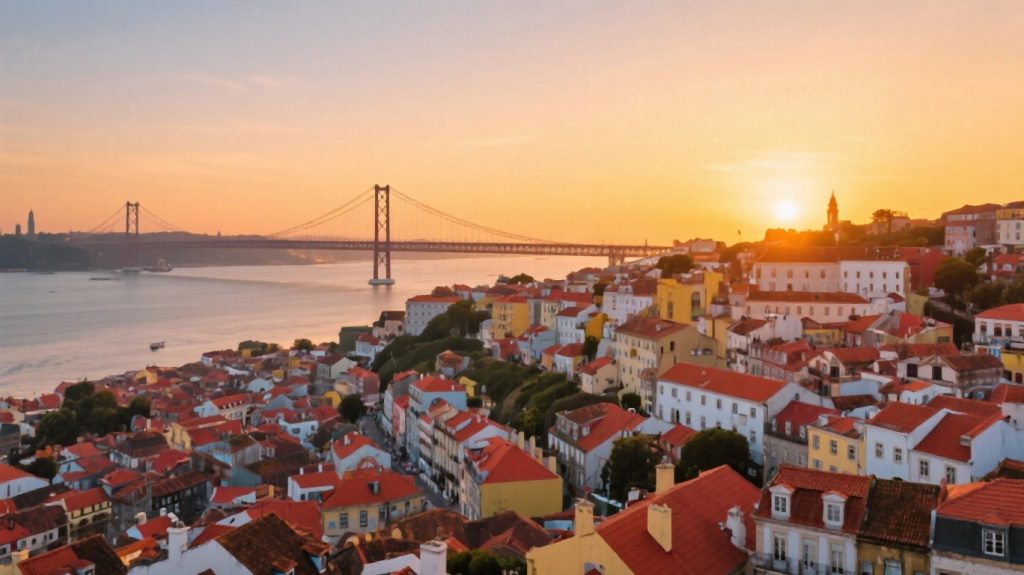
The tram rattled around a corner in Alfama and there it was — the Tagus River spread out below me like hammered copper, fishing boats bobbing near the shore, laundry strung between balconies overhead. An old man on the seat across from me caught my eye and nodded, as if to say: yes, this is why we live here. I’d been in Lisbon for exactly forty-five minutes and already understood why people never leave. Over the next seven days, I chased that feeling from Lisbon’s cobbled hills to Porto’s riverside wine cellars, through Sintra’s ridiculous palaces and down to the Algarve’s sea-carved cliffs. This is the route I’d hand to a friend — honest, tested, and stripped of the filler.
1. LISBON’S ALFAMA AND BELEM
Start in Alfama early, before the tour groups descend. I was wandering the backstreets by 7:30 a.m. and had the Miradouro da Graça viewpoint almost entirely to myself — just me, two joggers, and a café owner hosing down his terrace. The light at that hour turns the rooftops a shade of amber that photographs can’t quite capture. From there, I wound downhill through alleys so narrow I could touch both walls, past open doorways where radios played and cats slept on windowsills. This is the oldest neighborhood in Lisbon, and it feels like it. Streets don’t follow logic here; they follow the hill.
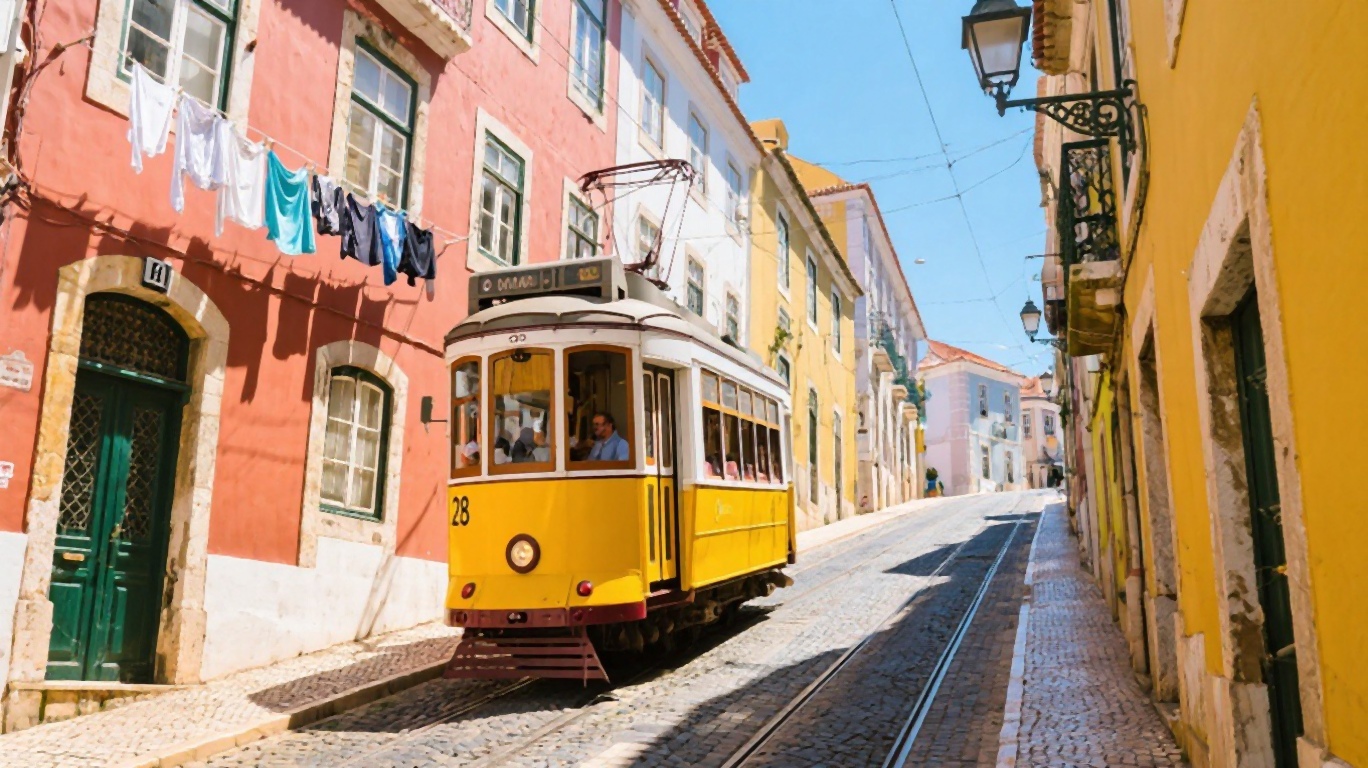
The famous Tram 28 runs through Alfama and it’s worth riding once, but go early or late — by midmorning the line snakes around the block and pickpockets work the crowds. I hopped on at Largo da Graça around 8:15 a.m. and rode standing, gripping the leather strap as we lurched down towards Praça do Comércio. A single ride costs €3.50 ($3.78) with a Viva Viagem card, or €5 ($5.40) if you pay the driver in cash. Load the card at any metro station — it’ll save you grief all week.
In the afternoon, take the 15E tram or a quick Uber (roughly €7–9 / $7.56–$9.72 from central Lisbon) to Belém. The Torre de Belém is smaller than you’d expect from photos — a squat, ornate watchtower sitting at the water’s edge — but it’s lovely. Admission runs €10 ($10.80), and the rooftop view is worth the tight spiral staircase. Across the way, the Mosteiro dos Jerónimos is the real showstopper: a UNESCO-listed monastery with cloisters so intricately carved they look like frozen lace. Entry is €12 ($12.96), and a combined ticket for both monuments costs €18 ($19.44). Skip the long main entrance queue and buy online in advance.
Before leaving Belém, join the line at Pastéis de Belém. Yes, the line. It moves fast, the pastéis de nata are still warm when they hit your table, and they’re genuinely better than anywhere else I tried in Portugal. A box of six costs €8.40 ($9.07). Dust them with cinnamon, not powdered sugar — that’s the local move. The interior dining rooms are tiled floor to ceiling in traditional azulejos and almost never full; most tourists grab and go from the front counter.
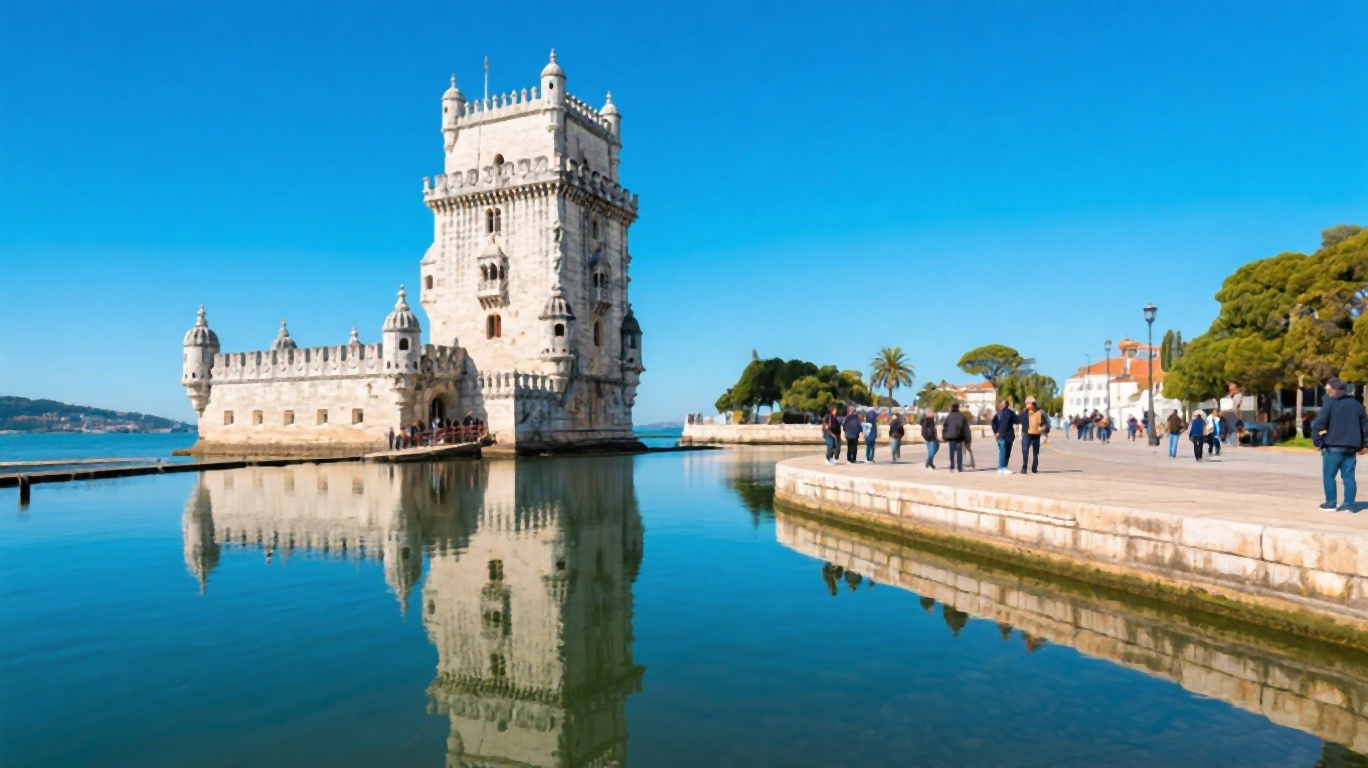
Planning tip: Buy the combined Belém monuments ticket online at least a day ahead. The on-site queue for Jerónimos can hit 90 minutes by 11 a.m. in summer. Morning in Alfama, afternoon in Belém is the rhythm that works.
2. LISBON FOOD AND WINE
Lisbon’s food scene has exploded in the last few years, but the places worth your money haven’t changed much. Start at Time Out Market in Cais do Sodré — yes, it’s touristy, but the concept works. Two dozen stalls run by the city’s best chefs, communal tables, and you can have a Michelin-star chef’s dish for €14–18 ($15.12–$19.44). I ate a perfect plate of arroz de marisco from Marlene Vieira’s stall and followed it with a pastel de nata ice cream from Nannarella. Go for lunch on a weekday; evenings and weekends are a scrum.
For the full Lisbon seafood experience, skip the Rua Augusta tourist traps and head straight to Cervejaria Ramiro in Intendente. This is the one. It’s been serving shellfish since 1956 and locals still pack the place. I ordered tiger prawns, percebes (goose barnacles — ugly, briny, addictive), and a plate of clams in garlic butter. The bill came to about €55 ($59.40) with two beers, which is steep for Lisbon but fair for what you’re getting. They don’t take reservations for dinner, so arrive at 7 p.m. sharp or prepare to wait on the sidewalk.
No evening in Lisbon is complete without ginjinha — the cherry liqueur served in tiny cups (or chocolate cups, if you want the theatrical version) at hole-in-the-wall bars around Rossio. The most famous is A Ginjinha, a shoebox-sized bar on Largo de São Domingos that’s been pouring since 1840. A shot costs €1.80 ($1.94). Throw it back standing at the counter, nod at the bartender, and walk into the night. If you want something more refined, head uphill to By the Wine, José Maria da Fonseca’s wine bar in Chiado, where you can taste Portuguese wines by the glass from €5–12 ($5.40–$12.96) in a gorgeous vaulted cellar.
For a proper dinner without the seafood splurge, Taberna da Rua das Flores does small plates of seasonal Portuguese cooking — think smoked sausage with turnip greens, cured meats, and petiscos — at honest prices. Most dishes run €6–14 ($6.48–$15.12). No reservations; put your name on the list and grab a drink across the street. The wait is usually 30–45 minutes but they move tables fast.
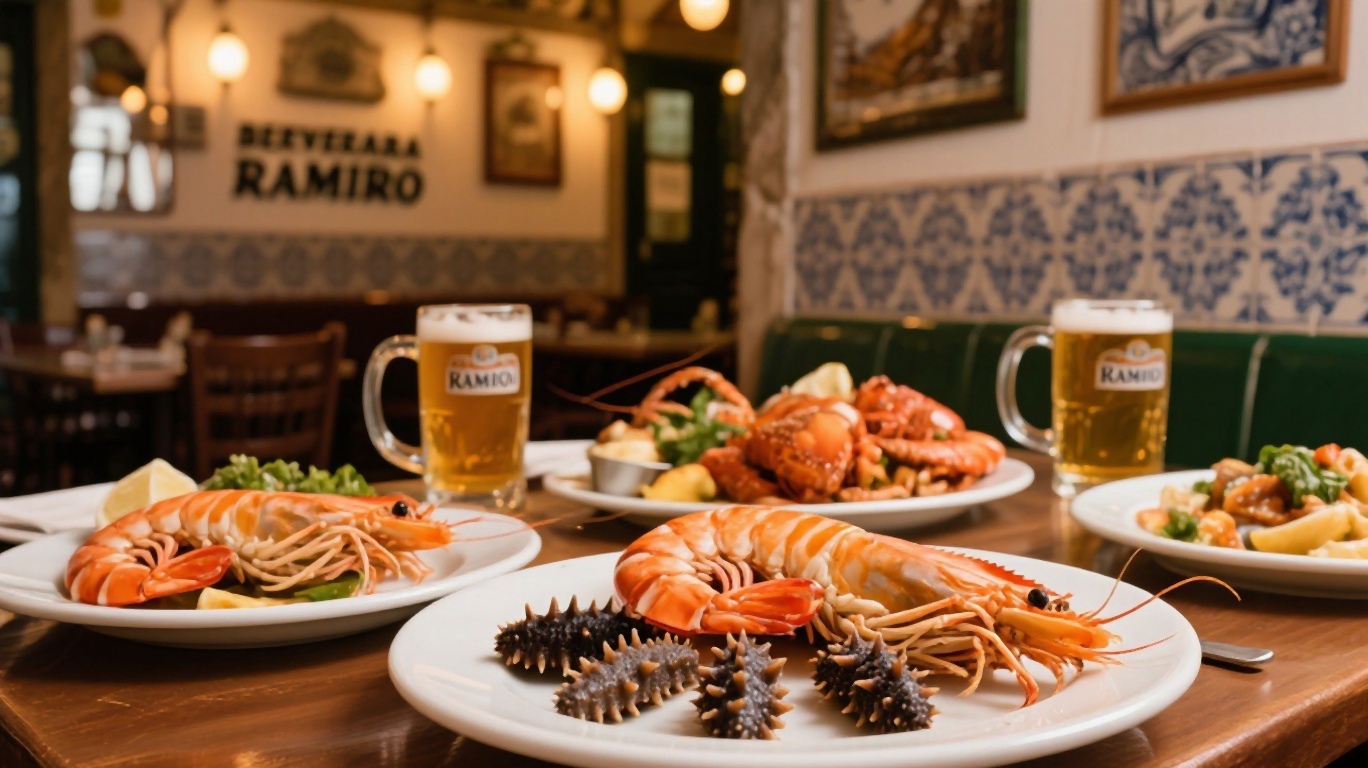
Planning tip: Budget roughly €40–60 ($43.20–$64.80) per day for food in Lisbon if you mix sit-down meals with market stalls and bakery stops. Water is safe from the tap, but restaurants will push bottled — ask for água da torneira if you want tap water and don’t mind the occasional raised eyebrow.
3. SINTRA’S FAIRY-TALE PALACES
The train from Lisbon’s Rossio station to Sintra takes 40 minutes and costs €2.75 ($2.97) each way with a Viva Viagem card. Trains run every 20 minutes. Leave early — I caught the 8:15 a.m. departure and was inside Pena Palace by 9:30, a full hour before the bus-tour crowds arrived. That head start matters. By 11 a.m. every terrace and courtyard was shoulder-to-shoulder with selfie sticks.
Pena Palace is absurd in the best way — a Romantic-era fever dream painted in mustard yellow and terracotta red, perched on a hilltop above forests of fern and moss. The interior is worth seeing (Queen Amélia’s studio, the Arab Room with its trompe-l’oeil walls) but the grounds and terraces are the real draw. Entry to the palace and park costs €14 ($15.12); park-only tickets are €8 ($8.64). I’d pay for the full ticket. Take the 434 bus from Sintra station — it loops between town, Pena, and the Moorish Castle. A hop-on hop-off ticket is €7 ($7.56).
After Pena, head downhill to Quinta da Regaleira. This one caught me off guard. It’s a Neo-Gothic estate built by a Brazilian coffee magnate in the early 1900s, and the grounds are genuinely strange — hidden tunnels, a 27-meter spiral well (the Initiation Well) that descends into the earth like something from a Borges story, grottos with waterfalls, and paths that loop through dense gardens. Entry is €12 ($12.96). Give it at least 90 minutes. The well is the highlight, but the underground tunnels connecting it to a lakeside grotto are just as memorable.
Skip the Palácio Nacional de Sintra in the town center unless you have a deep interest in Portuguese royal history — it’s fine, not essential, and your legs will thank you. Instead, grab lunch at Tascantiga on Rua Padarias, a small wine-and-tapas spot where the grilled chouriço and local cheese plate will set you back about €18 ($19.44) with a glass of Colares wine. Then catch the afternoon train back to Lisbon. You’ll be footsore and happy.
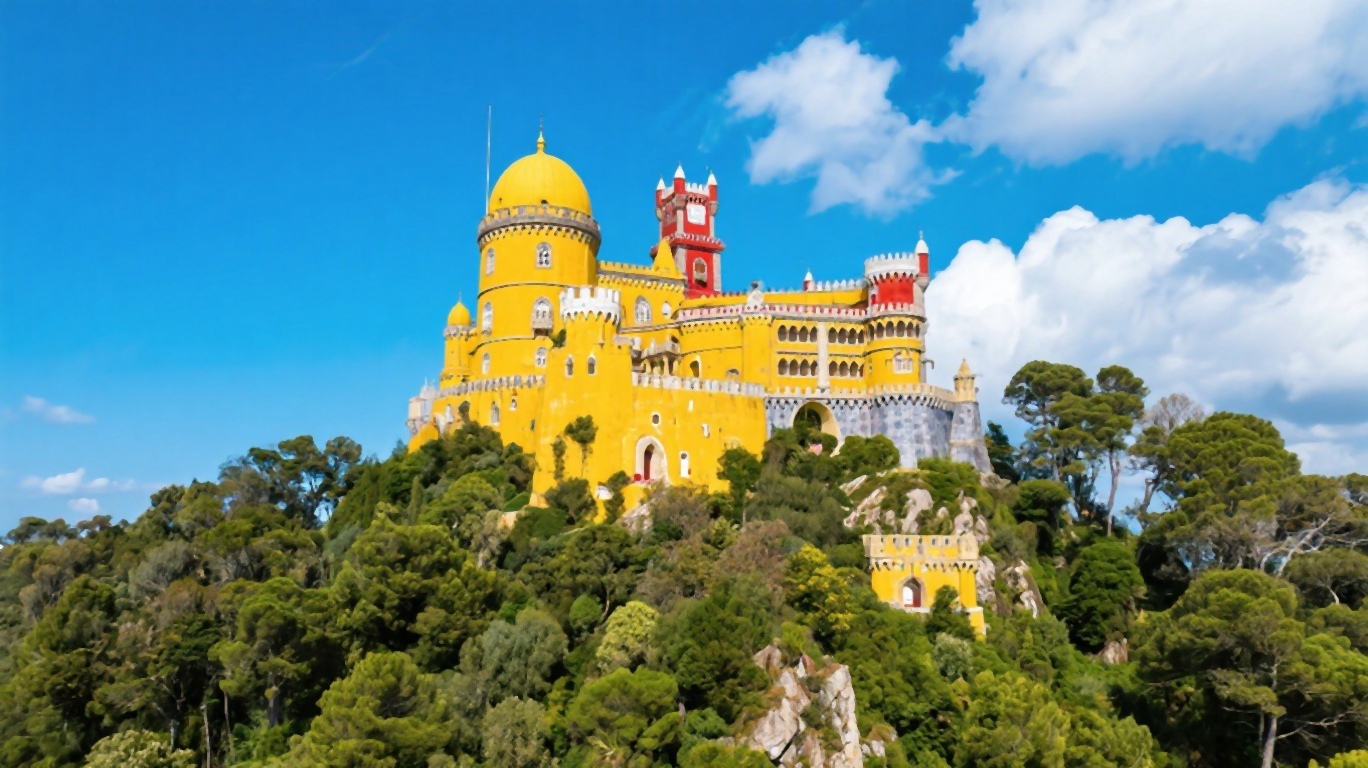
Planning tip: Sintra is a day trip, not an overnight. Book palace tickets online in advance — Pena Palace now enforces timed entry slots in peak season. Wear proper shoes; the cobblestones are slippery, and you’ll cover 15,000+ steps easily.
4. PORTO’S RIBEIRA AND BRIDGES
The high-speed Alfa Pendular train from Lisbon’s Santa Apolónia station to Porto’s Campanhã takes about 2 hours 40 minutes and costs €25–35 ($27–$37.80) depending on class and how far ahead you book. I paid €28 ($30.24) for a comfortable second-class seat booked a week out on CP (Comboios de Portugal). From Campanhã, transfer to São Bento station downtown — and linger there. The entrance hall is covered in 20,000 hand-painted azulejo tiles depicting scenes from Portuguese history. It’s a train station that doubles as a museum.
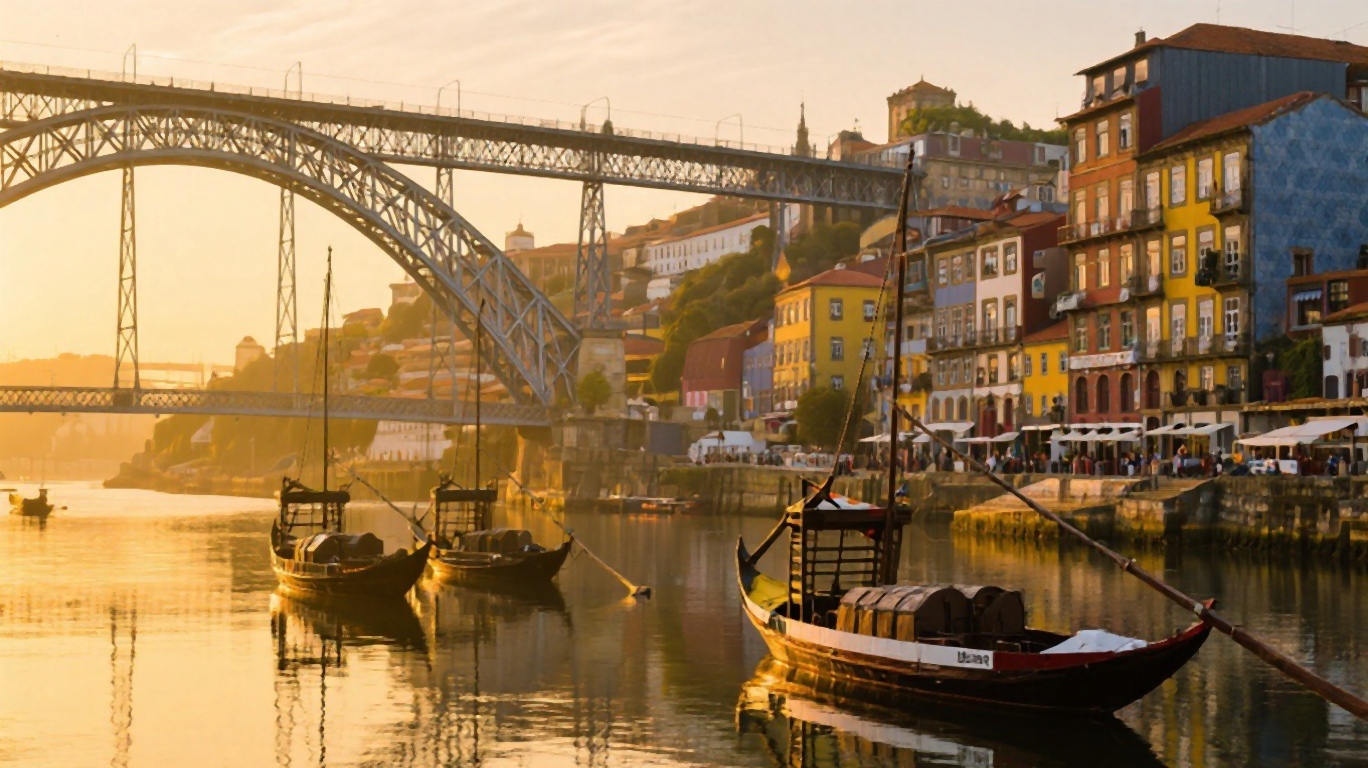
The Ribeira district tumbles down the hillside to the Douro River in a cascade of crumbling ochre and pastel facades. UNESCO-listed and slightly ramshackle, it’s the kind of waterfront where you can spend an hour just sitting on the quay watching rabelo boats drift past. Walk the lower esplanade, dodge the restaurant touts (every single terrace will try to flag you down — keep walking until you find one without a hawker), and cross the Ponte Dom Luís I on the upper deck for the defining view of Porto: the city rising steeply from the river, the cathedral’s towers poking above, and the port wine lodges of Vila Nova de Gaia directly across.
A word about Livraria Lello: the “world’s most beautiful bookshop” charges €8 ($8.64) just to enter, redeemable against a book purchase. The neo-Gothic staircase is stunning, genuinely. But the shop is so packed with Instagram visitors that actually browsing books is nearly impossible. I spent 15 minutes inside, took two photos, and left. If you’re a bookshop lover, go. If you’re ambivalent, spend the time instead walking up to Torre dos Clérigos — the 240-step climb to the top of the baroque bell tower costs €8 ($8.64) and gives you a 360-degree panorama of the city. That view is worth every stair.
For dinner in Ribeira, avoid the quayside restaurants with laminated photo menus. Walk two blocks uphill to Cantinho do Avillez, where chef José Avillez runs a casual Porto outpost serving modern Portuguese dishes. My duck rice was outstanding, and the bill with wine came to €32 ($34.56). If that’s booked, Traça on Rua das Flores does excellent petiscos (small plates) in a dimly lit, convivial space — budget €20–28 ($21.60–$30.24) per person.
Planning tip: Book Alfa Pendular tickets on cp.pt at least 5 days ahead for the best fares. Sit on the left side of the train heading north for river views. Porto is hilly — even hillier than Lisbon — so pack light shoes with grip.
5. PORT WINE CELLARS OF VILA NOVA DE GAIA
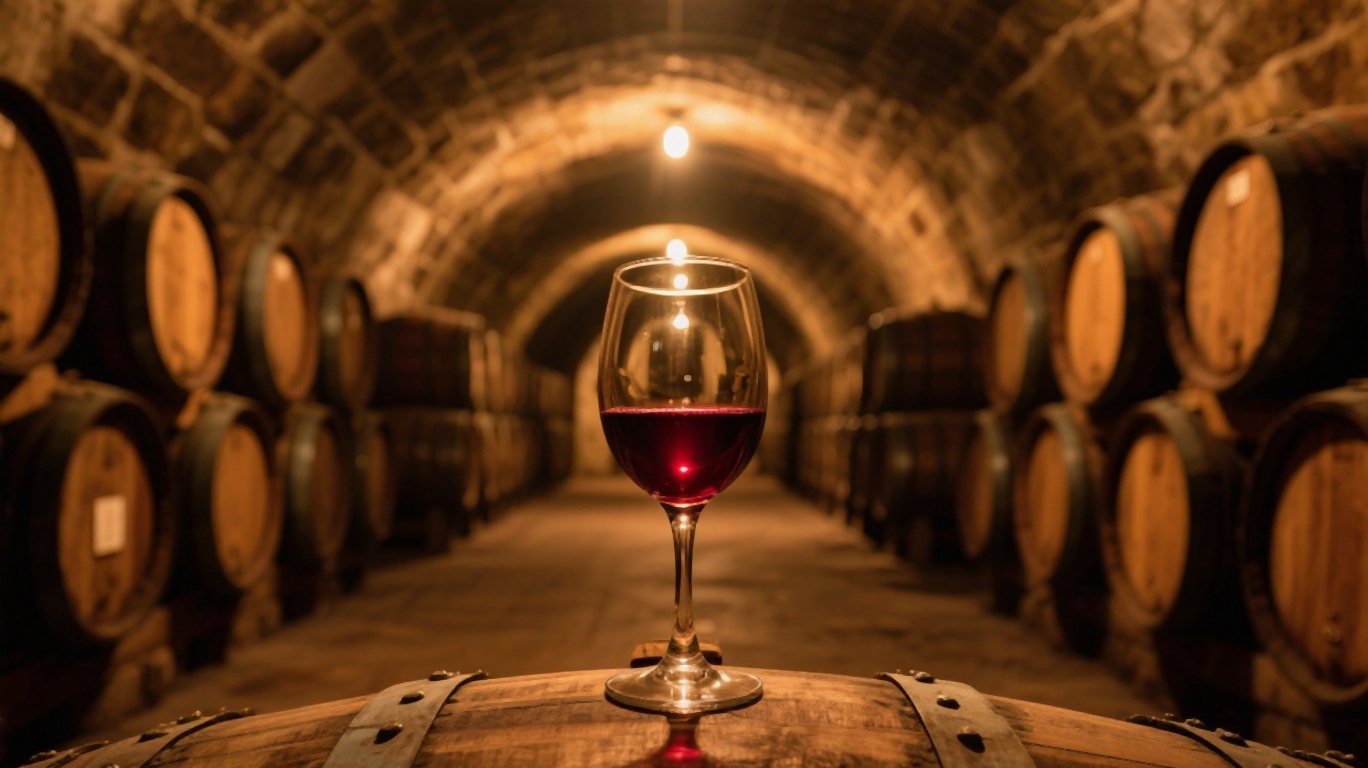
Cross the Dom Luís I bridge to Vila Nova de Gaia and you’ll find dozens of port wine lodges lined up along the riverbank, their names painted in giant white letters on the rooftops. This is where port wine has been aged and blended for centuries, in cool stone cellars just steps from the water. You could spend a day here tasting, but three or four cellars is the sweet spot before your palate gives out and the afternoon gets hazy.
I started at Taylor’s, high on the hill above the river — the walk up is steep but the terrace view over Porto is worth arriving winded. Their self-guided tour costs €18 ($19.44) and includes tastings of their Late Bottled Vintage, a white port, and a 10-year tawny. The cellars are atmospheric (massive oak barrels, dim lighting, the sweet smell of aging wine) and the audio guide is mercifully concise. Taylor’s also has a restaurant with a river-view terrace if you want to linger.
Next, I walked downhill to Graham’s, which runs a more curated experience. Their standard tasting is €18 ($19.44) for three ports; the premium tasting at €30 ($32.40) adds older tawnies and a vintage port that knocked me sideways. The terrace at Graham’s is arguably the best in Gaia — a wide sweep of the Douro with Porto’s skyline framed perfectly. Book ahead online; walk-ins are hit-or-miss in summer.
For something different, Sandeman offers guided tours led by a figure in a black cape and wide-brimmed hat (their brand mascot, brought to life). It’s slightly theatrical but the tour itself is informative and the standard tasting at €17 ($18.36) is solid. If port isn’t your thing — and I met several travelers who found it too sweet — the lodges all offer dry white ports served chilled with tonic, which is refreshing and genuinely delicious on a hot afternoon.
Planning tip: Visit cellars in the morning when they’re quieter and your palate is fresh. Budget €50–70 ($54–$75.60) for a day of tastings across three lodges. The Gaia cable car (€7 / $7.56 one-way) is a fun way to descend from the upper bridge level to the waterfront.
6. THE DOURO VALLEY
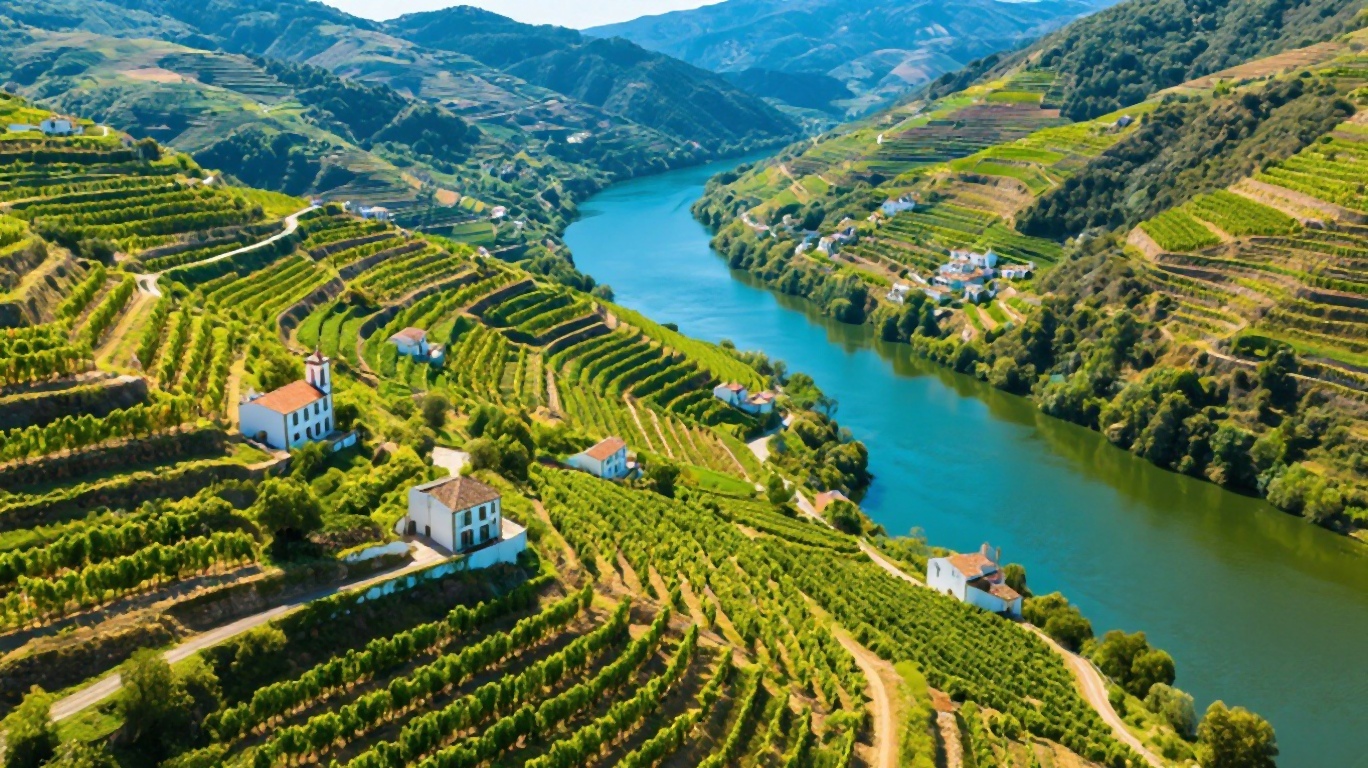
An hour east of Porto by car (or 2 hours by the scenic Linha do Douro train from São Bento to Pinhão, roughly €16 / $17.28 each way), the landscape shifts dramatically. The terraced vineyards of the Douro Valley climb the hillsides in neat rows, the river curving below in lazy bends. This is the oldest demarcated wine region in the world, and it looks like it belongs on a postage stamp. I took the train and don’t regret it — the final stretch between Peso da Régua and Pinhão follows the river so closely you could trail your hand in the water from the window.
In Pinhão, the tiny station is covered in azulejo panels depicting grape harvests and river scenes. From there, I walked 20 minutes to Quinta do Bomfim, one of the Symington family estates, where a tour and tasting costs €20 ($21.60). The guide walked us through the vineyards, explained the schist soil that gives Douro wines their minerality, and poured five wines in a stone-walled tasting room overlooking the valley. It was the quietest, most beautiful tasting I had in Portugal — no crowds, just terraces and birdsong.
If you’d rather be on the water, several companies run river cruises from Pinhão or Peso da Régua. Tomaz do Douro runs a one-hour cruise between the two towns for about €20 ($21.60) per person. I took the upstream route and the scenery was jaw-dropping — vineyard after vineyard reflected in the still water, with the occasional white farmhouse breaking the green. Full-day cruises from Porto with lunch and wine tastings exist (€85–120 / $91.80–$129.60) but I preferred the DIY approach: train there, taste wine, short cruise, train back. More flexible, cheaper, and just as scenic.
Planning tip: The Linha do Douro train sells out on summer weekends — book at cp.pt a few days ahead. If you drive, the N222 road along the north bank is considered one of the best driving roads in Europe, but the single lane and sharp bends aren’t for nervous drivers. Return trains to Porto run until about 8:30 p.m.
7. THE ALGARVE COAST
I almost skipped the Algarve. Every guidebook warned me about overdeveloped resort towns, and Albufeira’s strip certainly earns that reputation. But Lagos proved them all wrong. This compact, walled town on the western Algarve has cobblestone streets, family-run restaurants, surf culture, and — just south of town — some of the most dramatic coastal scenery in Europe. I stayed two nights and wished I’d booked three.
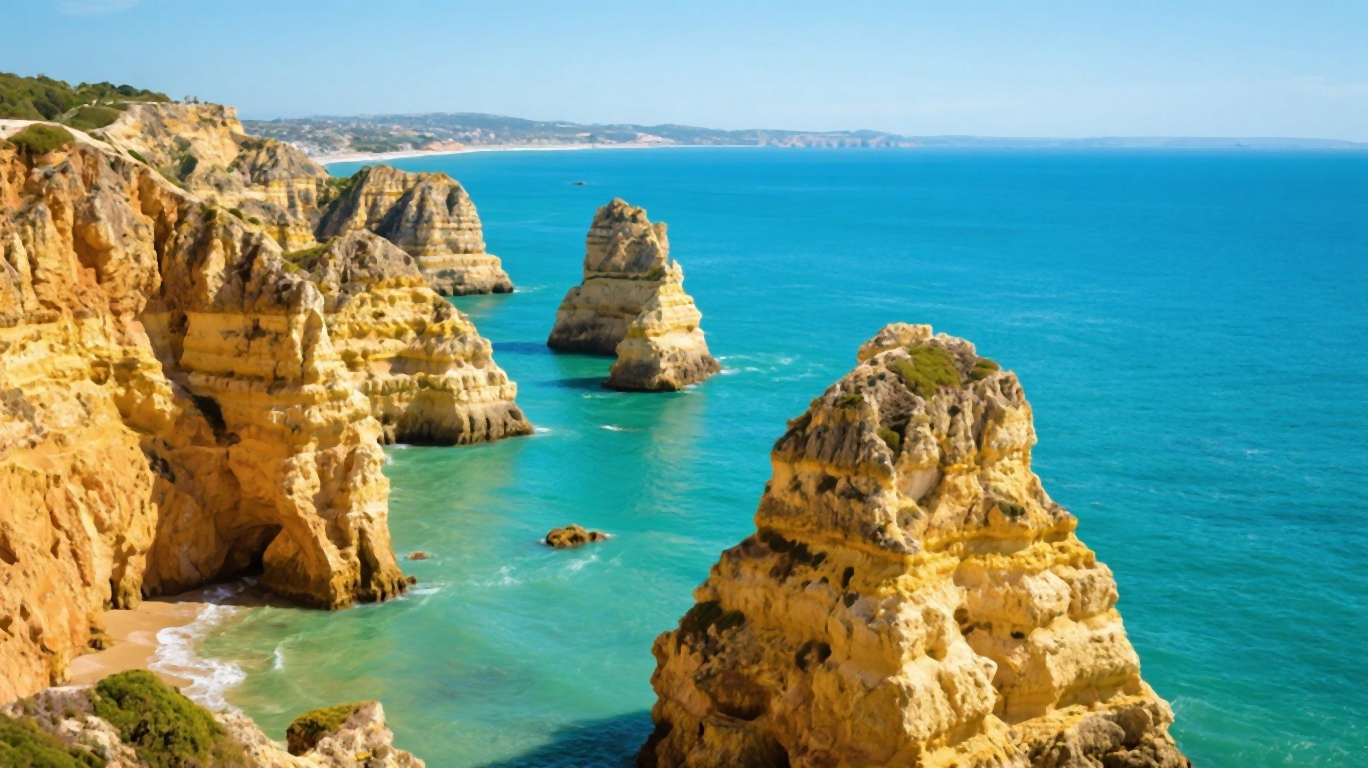
The star attraction is Ponta da Piedade, a headland south of Lagos where sandstone cliffs have been carved by the Atlantic into arches, sea stacks, and grottoes in shades of gold and rust. You can walk the clifftop trail from Lagos marina in about 30 minutes, or take a boat tour from the marina that threads through the grottoes (roughly €25 / $27 for a 75-minute trip with Days of Adventure). I did both — the clifftop at sunset, the boat the next morning — and the boat wins. Seeing those formations from sea level, gliding through tunnels where the water glows turquoise, was a genuine highlight of the trip.
Further east, Benagil Cave near Lagoa is the one you’ve seen on every Portugal Pinterest board — a sea cave with a collapsed ceiling that lets sunlight pour onto a tiny interior beach. Getting there requires a kayak, paddleboard, or boat tour from Benagil Beach. I rented a kayak for €25 ($27) from Taruga Benagil and paddled in. The cave is spectacular, but be warned: it’s crowded by 11 a.m., and the ocean swell can make the entrance tricky. Go early, check conditions, and wear a life jacket. Tour boats from Lagos or Albufeira also run here (€35–45 / $37.80–$48.60).
For beach days, skip the crowded town beaches and head to Praia do Camilo — a small, cliff-backed cove reached by 200 wooden steps south of Lagos. The water is cold (even in July, expect 18–20°C) but crystal clear. Grab lunch afterward at Casinha do Petisco in Lagos old town, where grilled fish with rice and salad runs about €14 ($15.12) and the local Sagres beer is €2.50 ($2.70).
Planning tip: Fly into Faro Airport if the Algarve is your last stop, or take the train from Lisbon to Lagos (about 4 hours, €25–30 / $27–$32.40 via a change at Tunes). Rent a car if you want to explore multiple beaches — daily rates run €30–50 ($32.40–$54) from Faro or Lagos. The western Algarve (Lagos, Sagres) has more character than the eastern strip.
8. GETTING AROUND PORTUGAL
Portugal is small enough that you can cover Lisbon, Porto, and the Algarve in a week without a car, though having one opens up the Douro and western Algarve considerably. Here’s how each option shakes out.
Trains are the backbone. The Alfa Pendular (Lisbon–Porto, 2h40, €25–35 / $27–$37.80) is fast and comfortable. The Intercidades is slightly slower and cheaper (3h15, €20–28 / $21.60–$30.24). Both run from Santa Apolónia or Oriente stations. Book on cp.pt — the app works, too, though it’s clunky. Regional trains are cheap and scenic but slow. The Linha do Douro to the wine country is gorgeous but only runs a few times daily.
Rede Expressos buses fill the gaps trains don’t cover. Lisbon to Lagos runs about €22 ($23.76) and takes roughly 4 hours. Buses are modern, air-conditioned, and generally on time. Book at rede-expressos.pt. For the Algarve coast, Eva Bus (now part of Rede Expressos) connects most towns along the south coast.
If you rent a car, know that Portugal uses electronic tolls on many highways, and rental companies handle them differently — some charge a flat fee per day for a transponder (usually €1.50–2 / $1.62–$2.16 per day), others pass through individual tolls with a hefty admin charge. Ask at the rental counter. Fuel runs about €1.70–1.85/liter ($1.84–$2.00) for gasoline. Driving in Lisbon and Porto is stressful and parking is expensive — I wouldn’t bother with a car in either city. Pick one up at Porto airport or Faro for the rural stretches.
Planning tip: A 7-day transport budget without a car runs roughly €100–140 ($108–$151.20) covering trains, buses, and city transit. Download the CP app and the Rede Expressos app before you go. Uber works in Lisbon and Porto and is often cheaper than taxis for short hops.
9. BUDGET BREAKDOWN
Portugal remains one of Western Europe’s best-value destinations, but Lisbon and Porto have gotten noticeably pricier since 2020. Here’s what a week actually costs across three spending levels, based on what I paid in 2026.
Accommodation varies wildly. Hostel dorms in Lisbon run €22–30 ($23.76–$32.40) per night; a clean mid-range hotel or guesthouse is €80–130 ($86.40–$140.40); and boutique or luxury hotels start around €200 ($216). Porto is slightly cheaper across the board. In the Algarve, summer prices spike — expect to pay 30–50% more than Lisbon for equivalent quality in July and August.
Food is where Portugal shines. You can eat a prato do dia (dish of the day) at a neighborhood tasca for €8–12 ($8.64–$12.96) including bread, olives, and sometimes a drink. Mid-range restaurant dinners with wine run €25–40 ($27–$43.20) per person. Fine dining exists but rarely exceeds €80–100 ($86.40–$108) per head, which by Western European standards is a steal.
| Category | Budget | Mid-Range | Splurge |
|---|---|---|---|
| Accommodation (per night) | €22–35 / $23.76–$37.80 | €80–130 / $86.40–$140.40 | €200–400 / $216–$432 |
| Food (per day) | €20–30 / $21.60–$32.40 | €40–65 / $43.20–$70.20 | €80–120 / $86.40–$129.60 |
| Transport (per day) | €8–15 / $8.64–$16.20 | €15–30 / $16.20–$32.40 | €40–70 / $43.20–$75.60 |
| Activities (per day) | €5–10 / $5.40–$10.80 | €15–30 / $16.20–$32.40 | €40–80 / $43.20–$86.40 |
| Daily Total | €55–90 / $59.40–$97.20 | €150–255 / $162–$275.40 | €360–670 / $388.80–$723.60 |
| 7-Day Total | €385–630 / $415.80–$680.40 | €1,050–1,785 / $1,134–$1,927.80 | €2,520–4,690 / $2,721.60–$5,065.20 |

Planning tip: The biggest budget variable is accommodation. Book hostels or Airbnbs outside the historic centers to save 30–40%. Lisbon’s Arroios and Anjos neighborhoods are well-connected by metro and half the price of Alfama or Chiado. In Porto, look at Cedofeita or Bonfim.
10. PORTUGUESE CULTURE AND SAFETY
Portugal is one of the safest countries in Europe — it consistently ranks in the top five of the Global Peace Index — but common sense still applies. Pickpocketing is real in Lisbon, particularly on Tram 28, in the Baixa district, and around Praça do Comércio. Keep your phone in a front pocket, wear your bag across your body, and be alert in crowds. I never felt unsafe anywhere in Portugal, including walking alone at night in Porto’s Ribeira or Lagos’s old town, but I kept my wits about me on public transport.
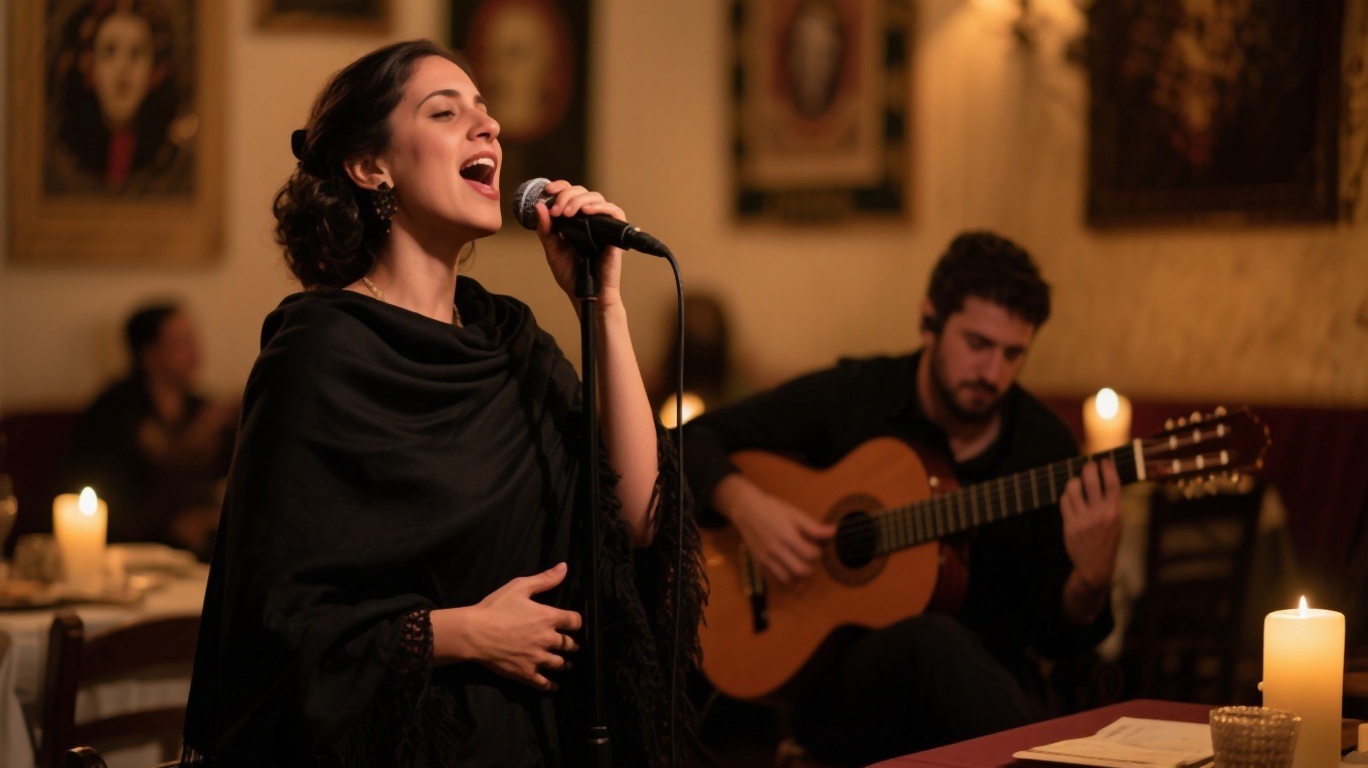
Fado is Portugal’s soul music — mournful, beautiful, and best experienced in a small venue with a glass of wine. In Lisbon, Clube de Fado in Alfama is one of the more respected houses; expect a minimum spend of about €25–35 ($27–$37.80) per person on food and drinks. In Porto, Casa da Guitarra offers intimate shows for around €18 ($19.44) including a glass of port. Don’t clap between songs — wait for the performer to finish the set. And don’t talk during performances. The Portuguese take fado seriously, and so should you.
The concept of saudade — a deep, bittersweet longing for something absent — runs through Portuguese culture like a current. You’ll hear it in fado, see it in the melancholy beauty of crumbling Lisbon facades, feel it in the way older people talk about the past. It’s not sadness exactly; it’s closer to nostalgia with weight. Understanding saudade won’t change your trip, but it’ll deepen it.
Tipping is appreciated but not expected the way it is in the U.S. Round up the bill or leave 5–10% at sit-down restaurants. Café workers and taxi drivers don’t expect tips but won’t refuse a euro or two. In fado houses and upscale restaurants, 10% is generous and well-received. Portugal runs on a late schedule: lunch is 1–3 p.m., dinner rarely before 8 p.m., and many smaller shops and restaurants close between 3 and 7 p.m., especially outside Lisbon and Porto. Don’t fight it — embrace the afternoon pause, have a coffee, sit in the shade.
One scam to watch for: restaurant touts in Lisbon and Porto will steer you toward overpriced places with mediocre food. If someone on the street is aggressively inviting you inside, walk on. The best restaurants in Portugal don’t need to hustle for customers. Also be aware of couvert — the bread, butter, olives, and sometimes cheese placed on your table before you order. It’s not free. It’s usually €2–5 ($2.16–$5.40) per person. You can send it back if you don’t want it, no offense taken.
Planning tip: Learn a few Portuguese phrases — obrigado/obrigada (thank you, male/female speaker), bom dia (good morning), a conta, por favor (the bill, please). The Portuguese are warm and patient with visitors who try, and noticeably cooler with those who don’t. English is widely spoken in tourist areas but dries up fast in rural spots.
ROUTE AT A GLANCE
| Day | Location | Highlights | Overnight |
|---|---|---|---|
| 1 | Lisbon | Alfama, Miradouro da Graça, Tram 28, Belém | Lisbon |
| 2 | Lisbon | Time Out Market, Cervejaria Ramiro, Ginjinha bars, Chiado | Lisbon |
| 3 | Sintra (day trip) | Pena Palace, Quinta da Regaleira | Lisbon |
| 4 | Porto | Alfa Pendular train, São Bento, Ribeira, Dom Luís I bridge | Porto |
| 5 | Porto / Gaia | Taylor’s, Graham’s, Sandeman port cellars | Porto |
| 6 | Douro Valley (day trip) | Linha do Douro train, Quinta do Bomfim, river cruise | Porto |
| 7 | Algarve | Lagos, Ponta da Piedade, Praia do Camilo | Lagos / fly from Faro |
This article contains affiliate links, which means Drift Trails may earn a small commission at no extra cost to you if you book through our links. We only recommend places and services we’ve personally used and genuinely rate. Our opinions are always our own.
Updated July 2026. Prices verified during Marcus Reid’s most recent visit. Rates and hours can change — always confirm directly with venues before visiting.
