
I have a confession: I almost skipped Turkey entirely. A friend had warned me about the crowds in Istanbul, another told me Cappadocia was “too touristy now,” and I nearly let secondhand opinions rob me of one of the best weeks of travel I have ever had. Seven days, three regions, zero regrets. Here is exactly how it went, what it cost, and what I would do differently next time.
A quick note on money before we dive in. The Turkish lira has been on a wild ride for years. At the time of my trip, one US dollar bought roughly 38 TRY. I will list prices in both currencies throughout, but double-check the exchange rate before you go because it shifts fast. Credit cards are accepted almost everywhere in cities, but smaller towns and market stalls still run on cash.
Day 1: Istanbul Old City — Hagia Sophia and the Blue Mosque
My flight from Europe landed at Istanbul Airport just after sunrise. The new airport is enormous, gleaming, and slightly overwhelming at six in the morning. I grabbed a Havaist bus to Sultanahmet for 140 TRY (about $3.70) rather than a taxi, which would have been closer to 700 TRY ($18.40). The bus took about ninety minutes with traffic, which gave me time to watch the city wake up through a smudged window.
I dropped my bag at a small guesthouse on a side street behind the Hippodrome. Nothing fancy — clean room, firm bed, a terrace with a partial view of the Blue Mosque’s minarets. It ran 1,500 TRY ($39.50) a night, breakfast included. The breakfast alone was worth dragging myself out of bed: tomatoes, cucumbers, olives, white cheese, simit bread, honey, and tea strong enough to restart your heart.
Hagia Sophia first. I got there right at opening, around nine, and the line was already building. Since its reconversion to a mosque in 2020, entry is free for worship areas, but the upper gallery sections require a ticket at 600 TRY ($15.80). Pay it. The mosaics upstairs — the Deesis mosaic especially, with Christ flanked by the Virgin Mary and John the Baptist — are worth every kurus. Standing in the nave, looking up at that dome, the scale hits you in a way that photographs simply cannot convey. Fifteen hundred years of engineering, conquest, faith, and restoration all pressing down from above. I stood there for a solid ten minutes, neck craned, mouth slightly open, probably looking ridiculous.
The Blue Mosque — Sultan Ahmed Mosque, properly — sits just across the square. It was partially under restoration scaffolding when I visited, which seems to be a semi-permanent state these days. Even so, the cascade of smaller domes leading up to the main one is striking from outside, and the interior is beautiful in a completely different way from Hagia Sophia. Where Hagia Sophia feels ancient and heavy, the Blue Mosque feels light, all those Iznik tiles in blues and whites creating a kind of cool serenity. Entry is free but closed during prayer times — plan around them. Women need a headscarf and both genders need to cover knees and shoulders. Coverings are provided at the entrance if you forget.
Budget tip: The Museum Pass Istanbul costs around 1,500 TRY ($39.50) and covers Topkapi Palace, the Archaeology Museum, and several other sites over five days. If you plan to visit more than two museums, it pays for itself quickly and lets you skip ticket lines.
I spent the afternoon wandering the Hippodrome, peeking into the Basilica Cistern (recently reopened and beautifully lit — 450 TRY / $11.80 entry), and eating a late lunch of lamb iskender kebab at a small lokanta near the tram line. The iskender, with its yogurt and tomato sauce pooling around the bread, cost 280 TRY ($7.40) and was absurdly good.
Day 2: The Grand Bazaar and Spice Market
Everyone tells you the Grand Bazaar is a tourist trap. Everyone is both right and wrong. Yes, shopkeepers will call out to you. Yes, the prices start high. But writing it off entirely means missing one of the most architecturally interesting covered markets in the world. The vaulted ceilings, the play of light through small windows, the sheer density of goods — leather, ceramics, textiles, gold, lamps, carpets — create a kind of sensory saturation that is exhausting and wonderful in equal measure.
My strategy was simple. I went in without a plan to buy anything. I just walked. Once you stop looking like a target and start looking like someone who is genuinely curious, the dynamic shifts. I ended up in a carpet shop drinking tea with a man named Mehmet who had been selling rugs for forty years. He showed me the difference between a machine-made carpet and a hand-knotted one, explained the regional patterns, and never once pressured me. I bought a small kilim anyway — 2,800 TRY ($73.70) after some friendly negotiation — and I am looking at it on my floor right now as I type this.
The Spice Market (Misir Carsisi) is smaller, more focused, and smells incredible. Turkish delight, dried fruits, saffron, sumac, pepper flakes in every shade of red. I stocked up on pul biber chili flakes (40 TRY / $1.05 for a generous bag) and pomegranate molasses (60 TRY / $1.58). The stalls near the entrance are pricier; walk deeper in for better deals.
Lunch was a balik ekmek — a grilled fish sandwich — from one of the boats near Eminonu pier. It cost 120 TRY ($3.16) and tasted like the sea and charcoal and onions and pure happiness. I ate it sitting on the steps watching ferries crisscross the Golden Horn and thought, not for the first time, that the simplest meals in the best settings are the ones that stay with you.
Budget tip: If you want to buy anything in the bazaars, have a price in mind, start at about half, and settle somewhere in the middle. Paying in cash usually gets you a better deal than card. And never buy from the first shop — walk the full market first to get a sense of fair prices.
Day 3: The Bosphorus and the Asian Side
The Bosphorus is not just a body of water; it is the entire personality of Istanbul compressed into a strait. I took the public ferry from Eminonu — not the tourist cruise, the regular commuter ferry — for 30 TRY ($0.79). That is not a typo. Less than a dollar to cruise between two continents. The ride to Kadikoy on the Asian side takes about twenty-five minutes and gives you views of Dolmabahce Palace, the Maiden’s Tower, and the full skyline of the old city receding behind you.
Kadikoy felt immediately different from the European side. Less monumental, more lived-in. The produce market was full of locals buying vegetables, not tourists buying souvenirs. I had a proper Turkish breakfast at a small cafe on Moda street — a spread called serpme kahvalti that included about fifteen small plates, eggs, pastries, jams, cheeses, and unlimited tea — for 350 TRY ($9.21) per person. It was so much food that I did not eat again until dinner.
I walked along the Moda waterfront, watched old men fishing off the rocks, and caught a glimpse of everyday Istanbul that the Sultanahmet tourist circuit does not show you. If you have the time, the Asian side is not optional — it is essential.
Getting there: Use an Istanbulkart (transit card) for ferries, trams, and buses. You can buy one at any metro station for about 100 TRY ($2.63) including some initial credit. It saves you from buying individual tickets every time and the per-ride cost drops significantly.
Day 4: Flight to Cappadocia
I caught a morning flight from Istanbul’s Sabiha Gokcen airport (the Asian side airport) to Kayseri, the nearest airport to Cappadocia. Turkish Airlines and Pegasus both fly this route multiple times daily. I paid 1,200 TRY ($31.60) on Pegasus for a one-way ticket booked two weeks out. The flight is barely an hour.
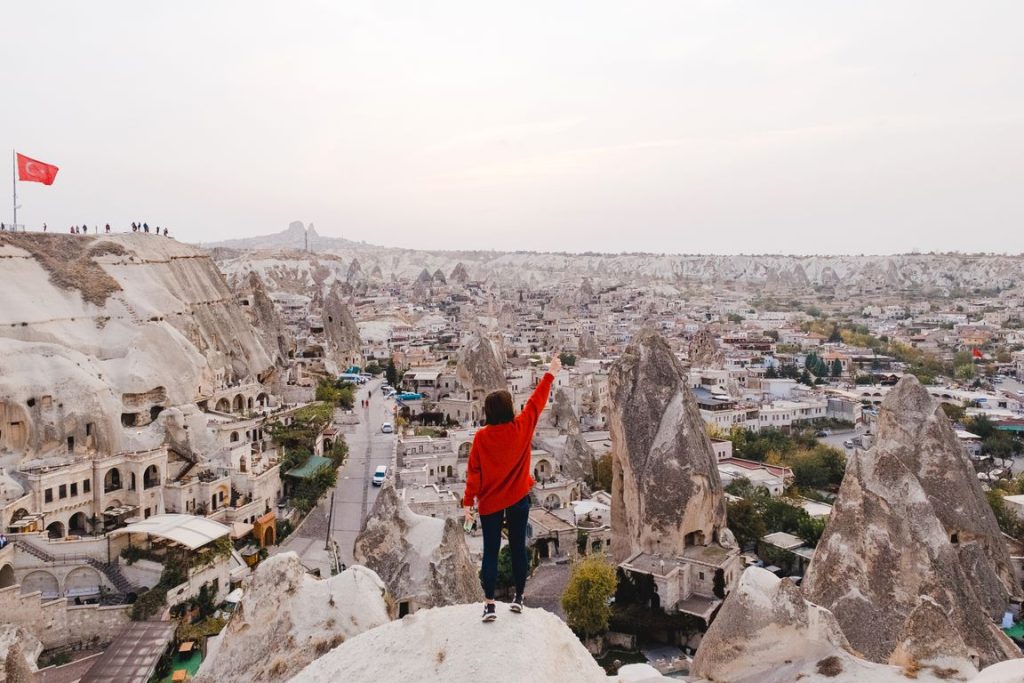
From Kayseri, most hotels and hostels in Goreme arrange shuttle transfers. Mine charged 350 TRY ($9.21) for the seventy-minute ride. The landscape transition is jarring — you go from flat Anatolian steppe to suddenly seeing those fairy chimneys rising out of the earth like something from another planet. The first time you spot them from the shuttle window, it does not feel real.
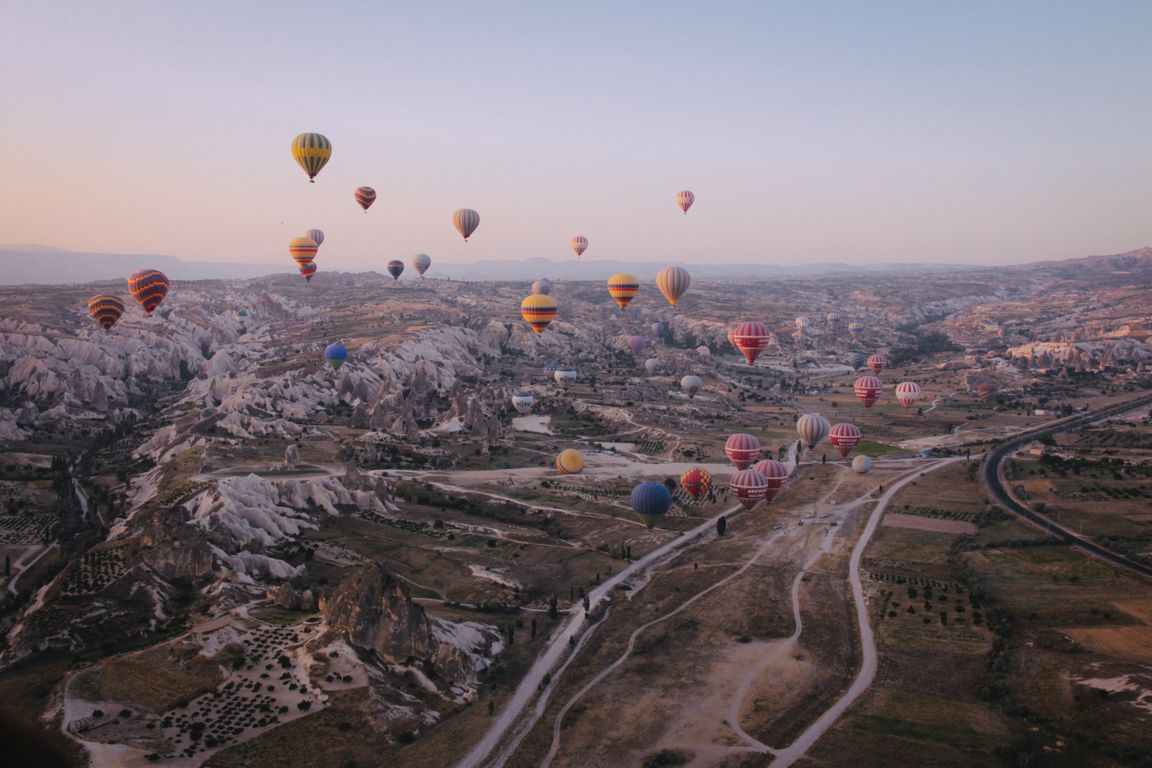
I stayed in a cave hotel. Not a luxury one — a mid-range place carved into the rock with whitewashed walls and a surprisingly comfortable bed. It cost 2,200 TRY ($57.90) a night with breakfast. Sleeping inside a cave sounds gimmicky until you actually do it. The walls stay cool even in summer heat, the silence is absolute, and there is something deeply calming about being surrounded by stone that was formed millions of years ago by volcanic ash.
I spent the rest of the afternoon exploring Goreme on foot. The town is small enough to walk end to end in twenty minutes, but every turn reveals another rock formation, another cave church, another terrace restaurant with a view that belongs on a postcard. Dinner was a clay pot kebab — testi kebab, where the meat and vegetables are sealed inside a clay pot and cracked open at the table — for 320 TRY ($8.42). Theatrical and delicious.
Day 5: Hot Air Balloon and the Valleys
I need to be honest about the balloon ride. It is expensive. I paid 7,500 TRY ($197.40) for a standard flight with a reputable company called Butterfly Balloons. Some operators charge less, some charge much more. I went back and forth on whether it was worth it. It was. Unequivocally.
The alarm went off at four thirty in the morning. A shuttle picked me up from the hotel at five. By five forty-five I was standing in a field watching the balloon envelope inflate, the burner roaring in the predawn darkness. And then we were up, rising slowly over the valleys as the sun cracked the horizon and turned everything gold and pink and orange.
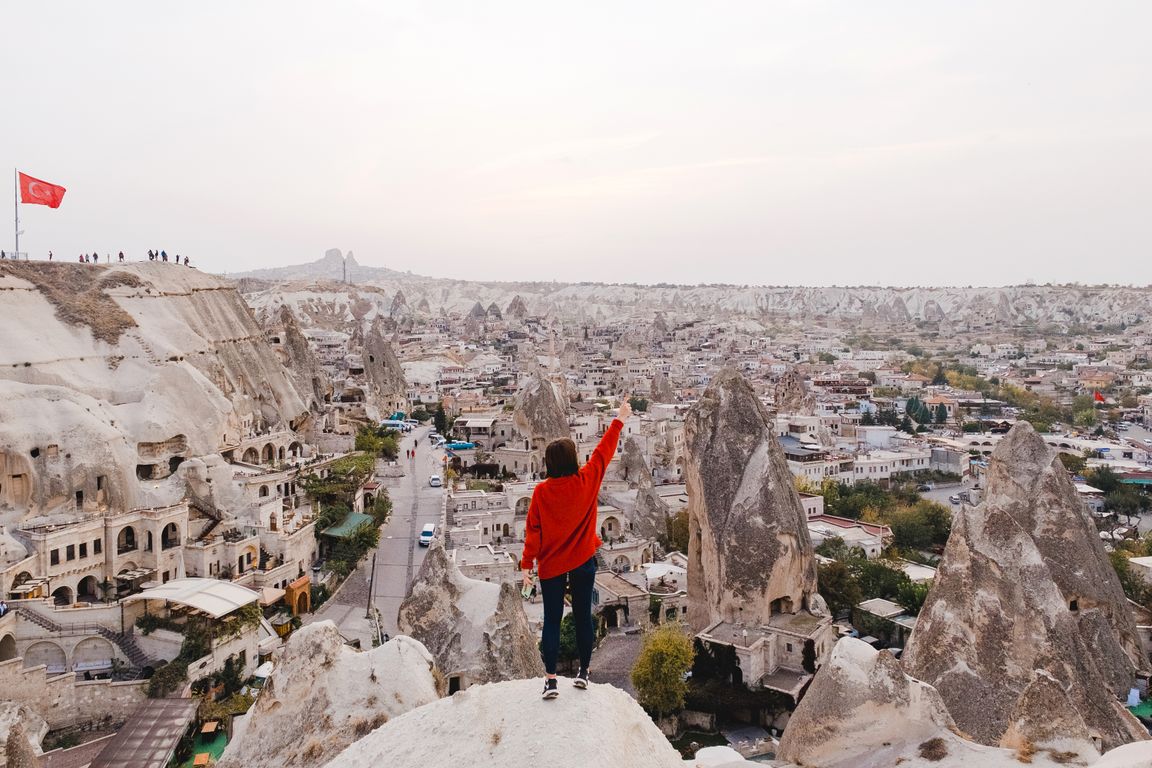
There were maybe eighty balloons in the air that morning. From the ground, the sight of all those colorful dots against the landscape is iconic. From inside one of those dots, the experience is something else entirely. The pilot dipped us down into valleys, close enough to see pigeon houses carved into cliffs, then rose again to give us the panoramic view. The whole flight lasted about an hour. When we landed, there was champagne and a certificate, which felt a little cheesy, but I was grinning too hard to care.
After the balloon, I hiked Rose Valley. It is a three-hour loop through pink and red rock formations carved by wind and water over millennia. The trail is well-marked, easy to follow, and mostly empty once you get past the first fifteen minutes. I passed cave churches with faded frescoes, climbed through narrow passages between towering rocks, and had the trail almost to myself for long stretches. Bring water — there is no shade and the sun is merciless by midday.
In the afternoon I rented an ATV for 800 TRY ($21.05) and tore around Love Valley and Pigeon Valley. The ATV experience is dusty, noisy, and an absolute blast. The fairy chimneys in Love Valley are shaped in ways that are, well, let us just say suggestive, and have been a source of amusement for visitors for as long as people have been visiting.
Budget tip: Balloon flights are cheapest if booked directly with the company rather than through your hotel, which adds a commission. Also, flights are weather-dependent. If your flight is cancelled due to wind, most companies will reschedule for the next day or refund you. Build a buffer day into your Cappadocia itinerary for this reason.
Day 6: Underground Cities and Goreme Open-Air Museum
Kaymakli Underground City is about twenty minutes south of Goreme. I hired a driver for a half-day trip covering Kaymakli and a few other stops for 1,200 TRY ($31.60) — split between two people, it was very reasonable. Entry to Kaymakli is 400 TRY ($10.53).
The underground city is fascinating and slightly claustrophobic. Early Christians carved these tunnels and chambers out of the soft volcanic rock to hide from invaders, and the network goes eight levels deep, though only four are open to visitors. You duck through narrow passages, pass through rooms that served as kitchens, stables, churches, and storage areas, and marvel at the ventilation shafts and rolling stone doors that could seal off sections during an attack. It is cool underground — literally and figuratively — and the engineering is remarkable for something built without modern tools.
The Goreme Open-Air Museum is a UNESCO World Heritage site and the single must-see attraction in Cappadocia if you can only pick one. Entry is 500 TRY ($13.16), with an additional 150 TRY ($3.95) for the Dark Church, which has the best-preserved frescoes. The museum is a collection of rock-cut churches and monasteries dating from the tenth to twelfth centuries, their interiors covered in Byzantine frescoes that range from faded fragments to remarkably intact scenes. The colors — deep reds, blues, golds — are vivid in a way you do not expect from paintings that are a thousand years old.
I got there right at opening, around eight thirty, and had perhaps forty minutes of relative quiet before the tour bus groups arrived. Go early or go late, but do not go midday unless you enjoy being sardined into a cave church with forty strangers.
Getting there: The Open-Air Museum is about fifteen minutes on foot from Goreme center, uphill. You can walk it easily. Kaymakli requires transport — either a rental car, a tour, or a hired driver. Many hostels organize group day trips for around 600-800 TRY ($15.80-$21.05) per person including lunch and several stops.
Day 7 (Morning): Fly to Antalya
Another early morning, another short flight. Kayseri to Antalya took about an hour and fifteen minutes. I paid 950 TRY ($25) on Turkish Airlines. Antalya airport is well-connected, and from there I grabbed a bus to the Olympos area for 180 TRY ($4.74). The drive takes about an hour and a half along the coast, and the first glimpse of the Mediterranean — that absurd shade of turquoise — hit me harder than I expected.
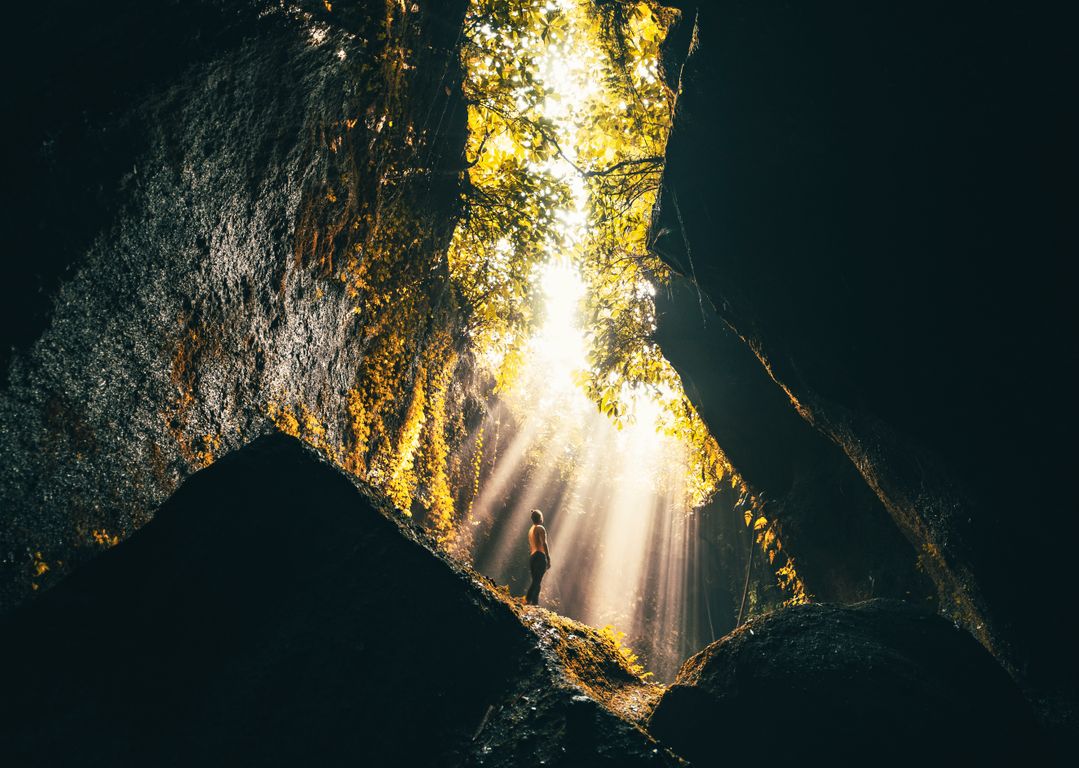
The Turkish coast is a different country from Istanbul and Cappadocia. The pace drops, the temperature rises, and the priorities shift to swimming, eating, and doing as little as possible. After six days of intense sightseeing, it was exactly what I needed.
Day 7 (Afternoon): Olympos and the Chimaera Flames
Olympos is a strange, wonderful place. The ancient Lycian ruins sit in a valley that runs down to a pebble beach, all of it hemmed in by pine forest. The ruins themselves are not as well-preserved as Ephesus or Perge, but there is something appealing about their wildness — tombs and walls half-swallowed by trees and undergrowth, no ropes or barriers, just you and the stones and the lizards. Entry to the Olympos ruins and beach area is 130 TRY ($3.42).
I stayed at one of the treehouse camps that Olympos is famous for. “Treehouse” is generous — they are basic wooden cabins on stilts, with thin mattresses and mosquito nets. But they cost only 700 TRY ($18.42) a night including dinner and breakfast, and the communal atmosphere is hard to beat. People sit around long tables eating home-cooked food, trading travel stories, and generally being the kind of relaxed that only happens when you are far enough from a city.
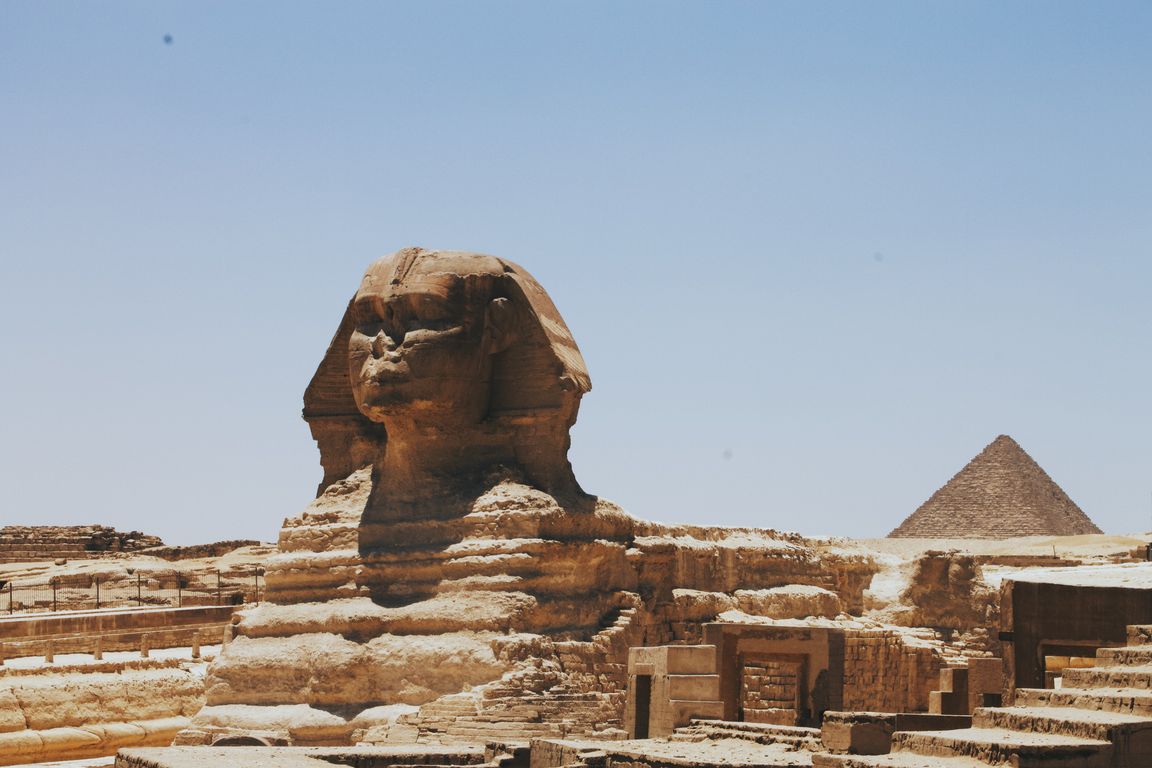
The Chimaera — Yanartas in Turkish — is a thirty-minute hike uphill from Olympos. Natural gas seeps through cracks in the rock and burns with small, eternal flames. People have been marveling at these fires for thousands of years; ancient sailors used them as a navigation beacon. I went at dusk, which is the only time to go. The flames are modest in daylight but mesmerizing once the sky darkens. There are about twenty or so individual flames scattered across a rocky hillside, some barely a flicker, others big enough to toast marshmallows on (and yes, people do bring marshmallows). The hike back down in the dark requires a headlamp or phone flashlight, so come prepared. Entry is 60 TRY ($1.58).
Budget tip: The treehouse camps in Olympos offer some of the best value accommodation on the entire Turkish coast. Half-board (dinner and breakfast) is standard, the food is usually excellent, and the social scene is great for solo travelers. Book directly by phone for the best rates.
Kas and the Blue Lagoon
I took a minibus from Olympos to Kas, about three hours along one of the most scenic coastal roads I have ever traveled. The fare was 200 TRY ($5.26). Kas is a small harbor town that manages to feel both laid-back and cultured — whitewashed houses draped in bougainvillea, a tiny Greek amphitheater tucked behind the main street, and a waterfront lined with restaurants and boutique shops.
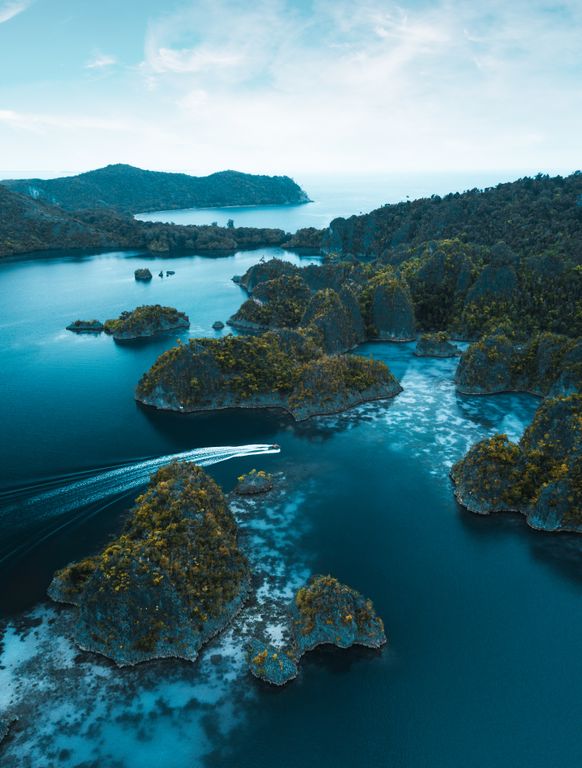
From Kas, I did a day trip to the Blue Lagoon at Oludeniz. Yes, it is a detour — about two and a half hours by bus — but the lagoon is one of those places that looks photoshopped in pictures and then somehow looks even better in person. The water is an impossible shade of turquoise, sheltered by a curving sandbar, and warm enough to stay in for hours. Beach entry to the national park area is 130 TRY ($3.42). I rented a sun lounger for 150 TRY ($3.95) and spent the afternoon alternating between swimming and reading and doing absolutely nothing productive.
If you have more time than I did, Kas itself is excellent for scuba diving. The visibility is outstanding, and there are submerged ruins and a variety of marine life. A two-dive day trip runs about 3,500-4,500 TRY ($92-$118) including equipment. I did not have time but I am filing it away for next trip.
Dinner back in Kas was meze and grilled sea bass at a waterfront restaurant, watching the sun set over Meis, the tiny Greek island just across the water. The meal, with a couple of glasses of Turkish wine, came to 900 TRY ($23.70). Not the cheapest dinner of the trip but possibly the most memorable setting.
Getting there: Kas is reachable by bus from Antalya (about four hours, 250 TRY / $6.58) or Fethiye (about two hours, 150 TRY / $3.95). There is no airport, which is part of its charm. Dolmus minibuses connect the smaller coastal towns frequently during summer.
Return Thoughts
I flew home from Antalya the next morning, sunburned and overfed and already scheming a return trip. Seven days in Turkey is enough to scratch the surface and not much more, but what a surface it is.
A few things surprised me. The food was better than I expected, and I had expected it to be good. Not just the kebabs and baklava that everyone talks about, but the breakfasts, the mezes, the simple grilled fish, the pide, the lahmacun. I ate well every single day without spending more than $25 a day on food, and often much less. Turkish hospitality is not a cliche — it is a genuine, consistent experience. People offered me tea constantly. Shop owners wanted to chat. A bus driver went out of his way to drop me closer to my destination. None of it felt performative.
The costs were lower than I anticipated. My total spend for seven days, including flights within Turkey, accommodation, food, activities, and transport, came to roughly 32,000 TRY or about $842 USD. That is without being particularly frugal — I did the balloon ride, I ate out for every meal, I did not stay in dorm beds. Turkey offers genuine value at a level that most of the Mediterranean cannot match right now.
The variety caught me off guard too. Istanbul, Cappadocia, and the coast feel like three different countries. The architecture, landscape, food, and pace of life shift dramatically between regions, and each one could justify a week of its own. I felt the coastal stretch most keenly — Olympos and Kas deserved more than a day each, and I barely scratched the Lycian Way hiking trail that connects them.
What I would change: I would add at least two more days. One extra day in Cappadocia to buffer against a potential balloon cancellation and to hike Ihlara Valley, which I missed. One extra day on the coast to properly explore Kas and maybe do that scuba diving. I would also consider flying into Antalya and out of Istanbul, or vice versa, to avoid backtracking. Open-jaw flights are often no more expensive than returns and save you a day of travel.
Would I recommend Turkey to a friend? Without hesitation. It is one of those destinations that delivers more than it promises. The history is richer than you imagine, the landscapes are more dramatic than photographs suggest, and the people are warmer than any guidebook can convey. Go before the lira stabilizes and prices catch up with the rest of Europe. Or go after — it will still be worth it. But go.
Budget tip: For the best overall value, visit in shoulder season — late April to mid-June or September to mid-October. The weather is warm but not brutal, the crowds are thinner, balloon flights are less likely to be cancelled, and accommodation prices drop by twenty to thirty percent. July and August are peak season on the coast, and Cappadocia balloons book out weeks in advance. Plan accordingly.
Getting there: Istanbul has two international airports: Istanbul Airport (IST) on the European side and Sabiha Gokcen (SAW) on the Asian side. Both receive flights from across Europe and beyond. Antalya (AYT) is another major gateway, especially for the coast. Budget carriers like Pegasus and SunExpress offer competitive fares on domestic routes. Book early for the best prices, but even last-minute domestic flights rarely exceed $50-60 one way.
