
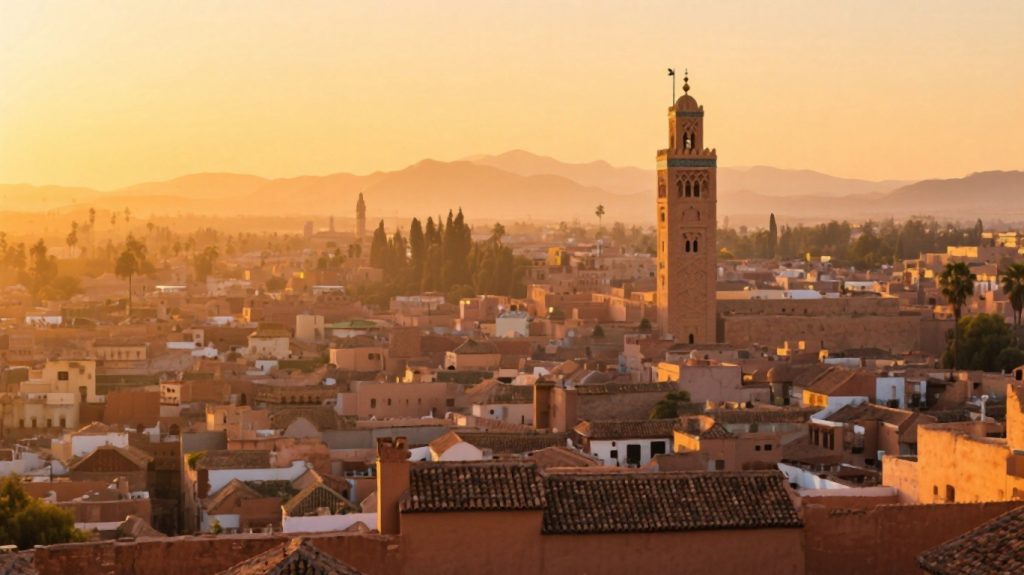
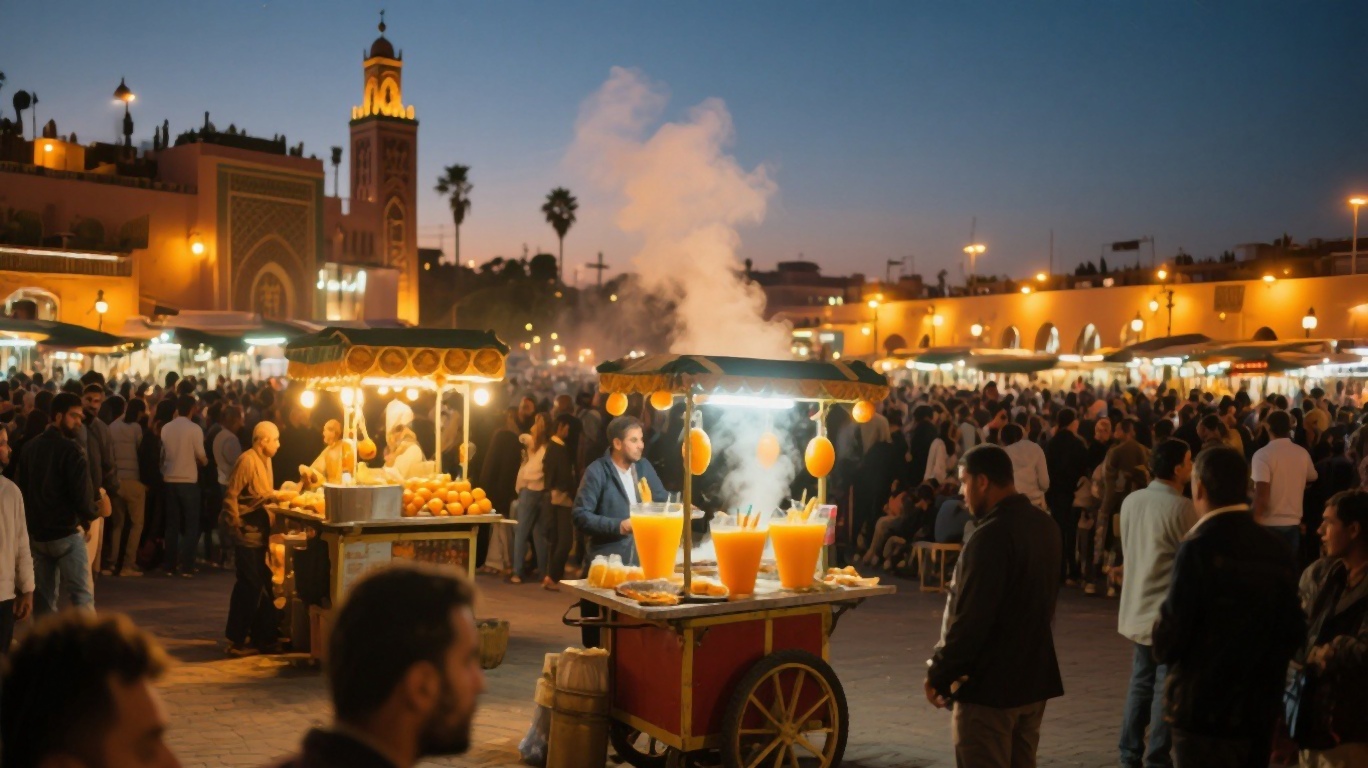
The call to prayer had just finished echoing off the pink sandstone walls when I stepped into Jemaa el-Fnaa for the first time. It was maybe 6:30 in the evening, the sky bruised purple and orange behind the Koutoubia Mosque minaret, and the square was doing what it’s done every night for a thousand years — shapeshifting from daytime market into an open-air theatre of smoke, drums, and hustlers. A man thrust a Barbary macaque onto my shoulder before I could say no. A woman grabbed my hand to trace henna across my palm. Three different kids offered to guide me somewhere I didn’t need to go. I’d been in Morocco for forty-five minutes. I already knew seven days wouldn’t be enough.
This itinerary covers the route I actually travelled in spring 2026: two nights in Marrakech, a day trip to the Atlas Mountains, two days crossing to the Sahara, one night in the desert, then north to Fes and finally the blue-washed alleyways of Chefchaouen. It’s doable in seven days if you’re comfortable with early mornings and long drives. It’s better in nine or ten if you can swing it. Here’s what I spent, what I ate, where I slept, and what I’d skip the second time around.
1. MARRAKECH’S MEDINA AND JEMAA EL-FNAA
Marrakech’s medina is not a place you understand on a map. The streets are unmarked, the alleys twist back on themselves, and within fifteen minutes of entering through Bab Agnaou I was hopelessly, happily lost. GPS barely functions here — buildings lean so close together that satellite signals bounce around like pinballs. My advice: surrender to it. The medina is roughly a mile across. You will eventually hit a wall or a main road, and from there you can reorient.
Bahia Palace (70 MAD / $7 entry) is the one monument inside the medina that earns its ticket price. The carved cedar ceilings in the Grand Riad chamber are extraordinary, and if you arrive when the gates open at 9 a.m., you’ll get maybe twenty minutes before the tour groups flood in. The palace was built in the 1860s for Si Moussa, grand vizier to the sultan, and later expanded by his son Ba Ahmed — the name “Bahia” means “brilliance,” which tracks. Skip the audio guide; it’s dry and costs an extra 30 MAD ($3) you don’t need to spend.
The Koutoubia Mosque is visible from almost anywhere in the medina — its 77-meter minaret is Marrakech’s compass needle. Non-Muslims can’t enter (this applies to almost every mosque in Morocco except Hassan II Mosque in Casablanca), but the gardens surrounding it are free, shaded, and a good place to sit with a bottle of water after the medina chews you up. As for Jemaa el-Fnaa itself: come at night. The daytime square is just a hot, dusty parking lot for orange juice carts (freshly squeezed, 5 MAD / $0.50 — don’t pay more). After sunset, the food stalls rise from the pavement, the Gnaoua musicians start their iron castanets clattering, and the whole place becomes something you’ll remember for years.
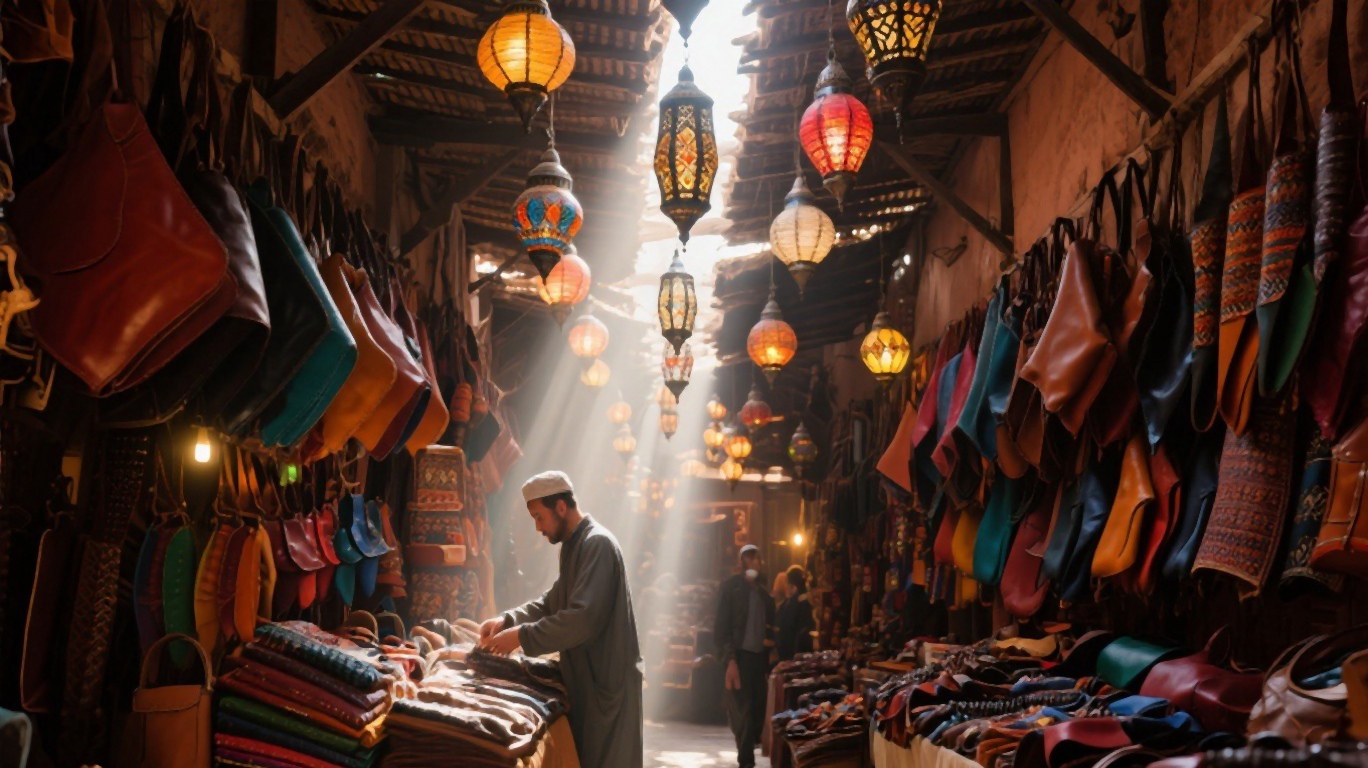
A word on the souks: the leather souk and the spice souk are genuinely worth browsing, but the “official” guides who approach you at the square’s edge will lead you to their cousin’s shop and expect a cut. If you want a guided medina tour, book one through your riad — most can arrange a half-day walk for 250–400 MAD ($25–$40) per person. The Maison de la Photographie (50 MAD / $5) on Rue Ahl Fes is a small but fascinating collection of early Moroccan photography, and its rooftop café has one of the medina’s better views.
Planning tip: Buy a local SIM card at the airport from Maroc Telecom or Inwi before you enter the medina. A 20 GB data plan costs around 100 MAD ($10) and will save you when Google Maps is your only hope of finding your riad at midnight.
2. MARRAKECH FOOD AND RIADS
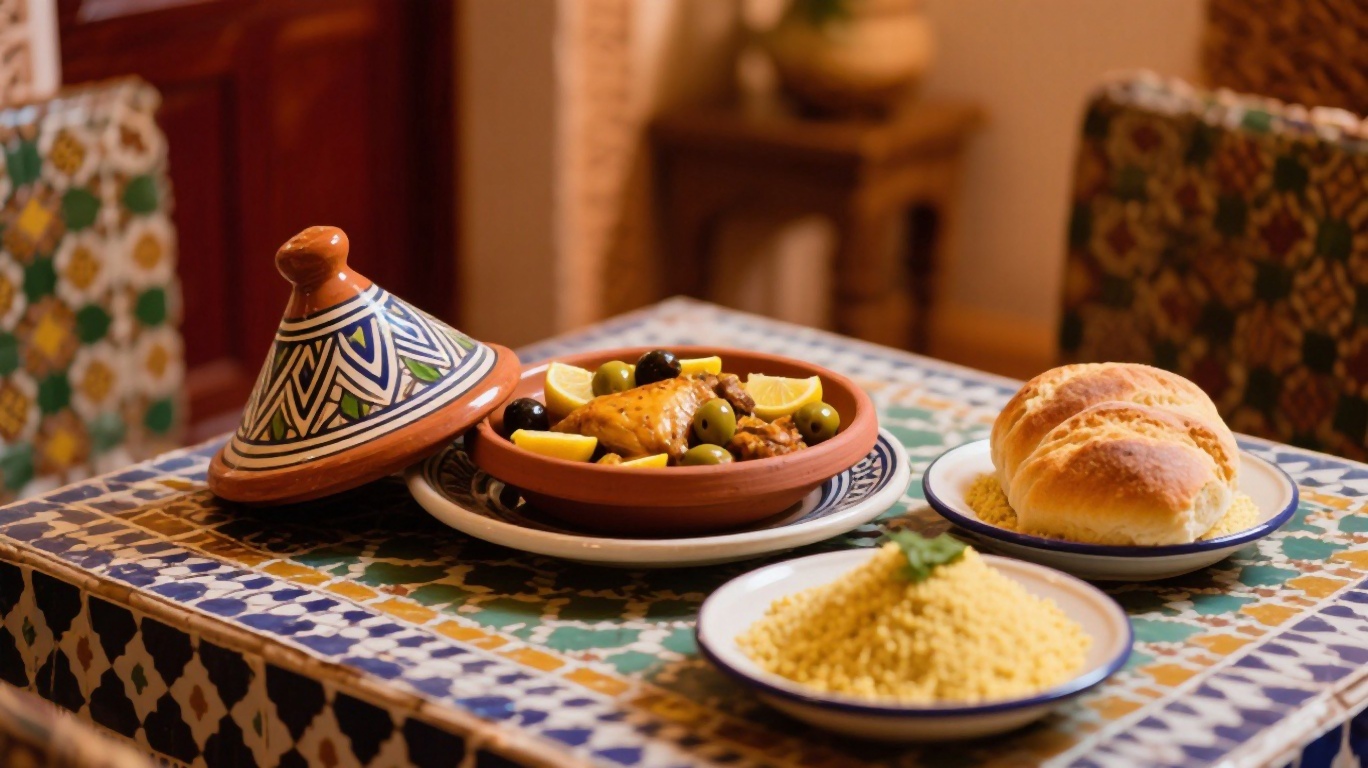
Moroccan food operates on a simple principle: take cheap ingredients — chickpeas, preserved lemons, olives, bread — and coax extraordinary flavour out of them through slow cooking and generous spicing. The national dish is tagine, a conical clay-pot stew that comes in dozens of variations. At Al Fassia Aguedal, an all-women-run restaurant in Guéliz, I had a lamb tagine with prunes and toasted almonds (120 MAD / $12) that was the single best meal of the trip. The meat fell apart when I looked at it. For something cheaper and rougher, the food stalls at Jemaa el-Fnaa serve tagine for 40–60 MAD ($4–$6), though quality varies wildly — stall 14 and stall 32 had the longest lines of locals, which is usually a reliable signal.
Street food in Marrakech is its own food group. Breakfast is msemen (square-shaped flaky flatbread, 3 MAD / $0.30) drizzled with honey, or harira (tomato-lentil soup, 8 MAD / $0.80) with dates on the side during Ramadan season. For lunch, try a bocadillo — a baguette stuffed with kefta (spiced minced meat), harissa, and olives — from any hole-in-the-wall for 15–25 MAD ($1.50–$2.50). And you cannot leave Marrakech without trying bastilla, a sweet-savoury pie of shredded pigeon (or chicken) wrapped in warqa pastry and dusted with cinnamon and powdered sugar. Café Clock in the kasbah does a good version for 85 MAD ($8.50), and their camel burger (95 MAD / $9.50) is worth the novelty.
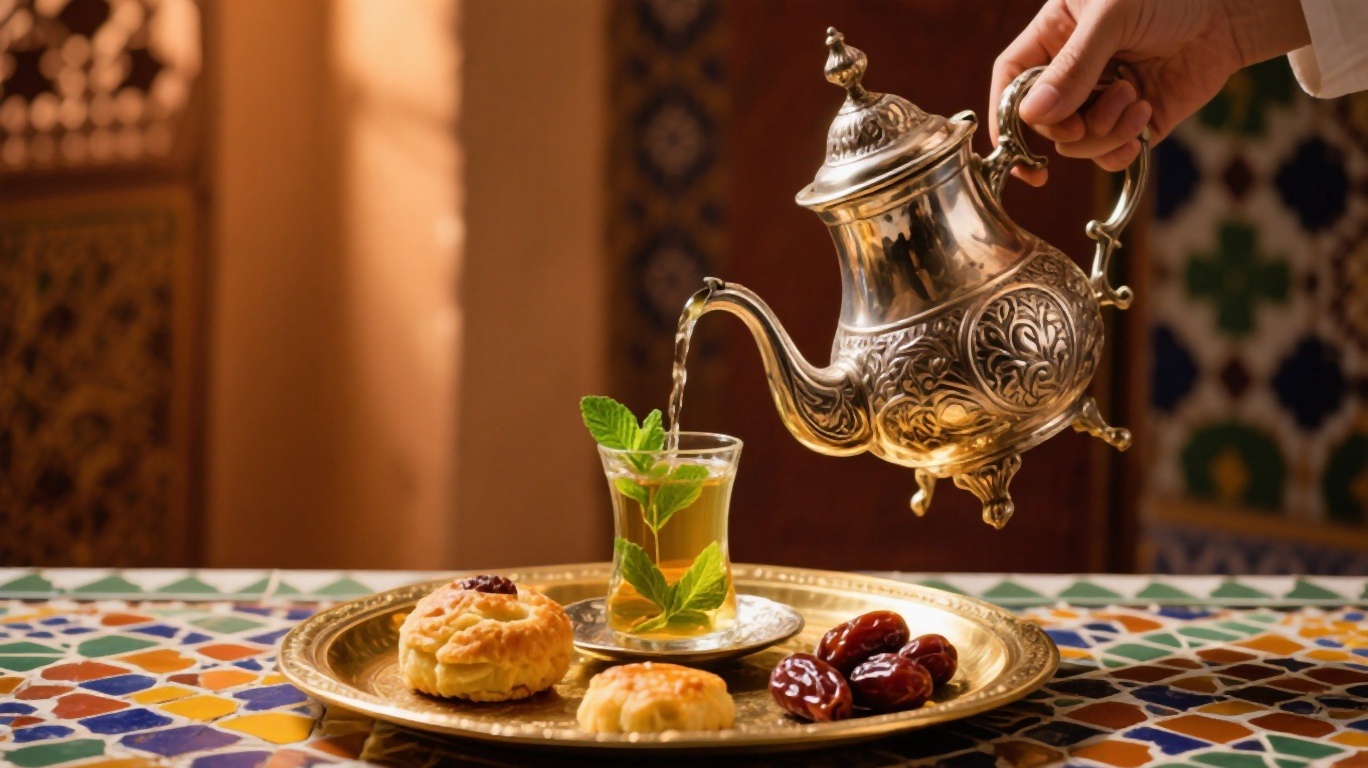
The Moroccan mint tea ritual deserves its own paragraph. It’s not optional — it’s poured for you at every riad check-in, every shop negotiation, every casual encounter. The tea is brewed with Chinese gunpowder green tea, a fistful of fresh mint, and an alarming quantity of sugar. It’s poured from height to aerate it, producing a frothy head. Refusing it is rude. Drinking it is a commitment to at least fifteen minutes of conversation. Budget your time accordingly.
On riads: these are traditional courtyard houses converted into guesthouses, and staying in one is non-negotiable for at least your Marrakech nights. Riad Yasmine (from 900 MAD / $90 per night) is all over Instagram for its tiled plunge pool, and it earns the hype — the rooms are well-maintained, breakfast is included, and the staff booked my Atlas Mountains day trip without markup. For budget travellers, Riad Layla near Bab Doukkala offers clean doubles from 350 MAD ($35) with a rooftop terrace. If you’re spending, La Mamounia (from 4,500 MAD / $450) is one of the world’s great hotels and worth at least a drink at the bar (cocktails 150 MAD / $15) even if you’re not staying.
Planning tip: Riads in the deep medina are hard to find even with GPS. Most will send someone to meet you at a landmark gate (bab) if you message ahead on WhatsApp. Do this. Dragging a suitcase through the souks at 11 p.m. is miserable.
3. THE ATLAS MOUNTAINS
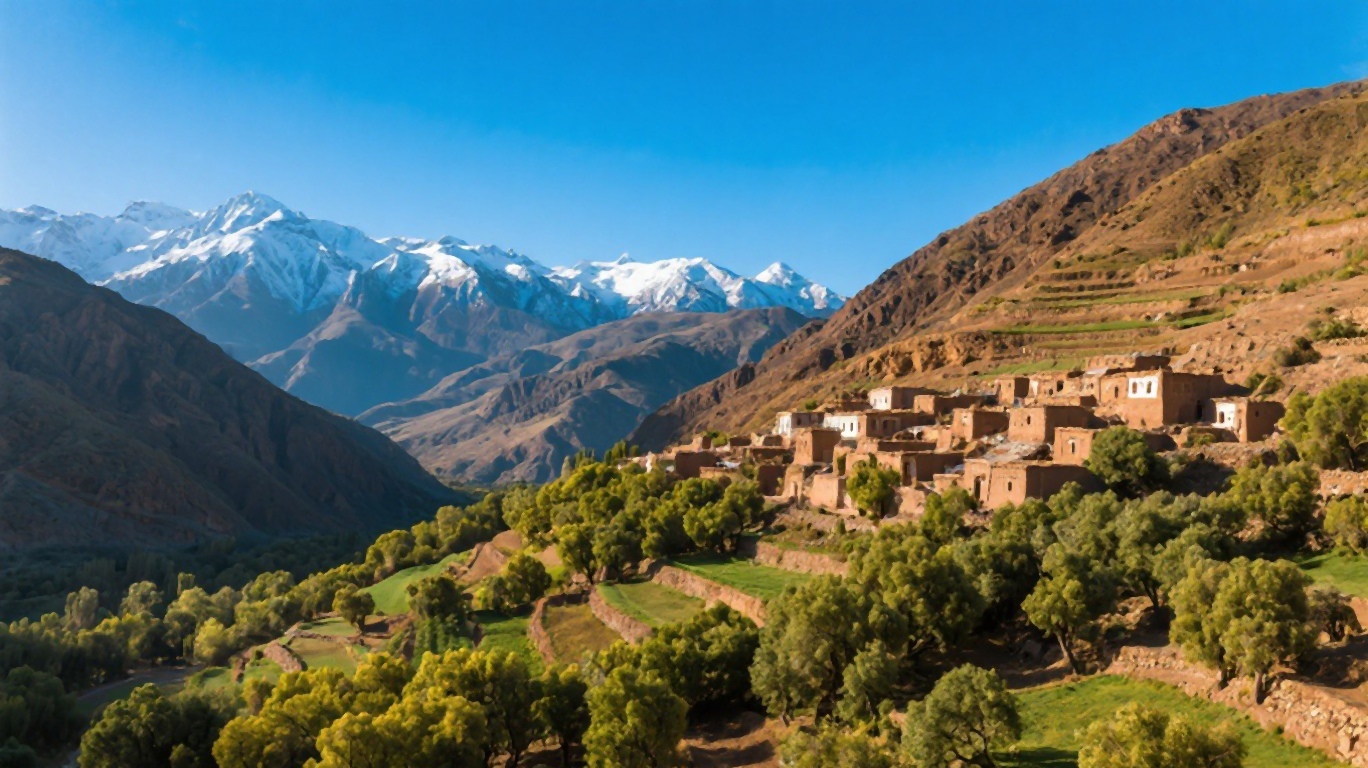
The High Atlas rises south of Marrakech like a wall, and in spring the peaks are still capped with snow while the city below sits at 35°C. A day trip is manageable — the Ourika Valley is only 45 minutes by car, and Imlil, the trailhead village for Jebel Toubkal (North Africa’s highest peak at 4,167 meters), is about 90 minutes. I chose Ourika for the shorter drive and because I wasn’t trying to summit anything.
The valley follows the Ourika River through a series of Berber villages clinging to the mountainsides. The road ends at Setti Fatma, where a chain of seven waterfalls climbs up a rocky gorge. The first two waterfalls are reachable in sandals (maybe 30 minutes of scrambling). After that, you need proper shoes and a head for heights — the path is narrow, wet, and occasionally non-existent. Local guides wait at the trailhead and charge 100–150 MAD ($10–$15) for the full ascent. I’d recommend taking one; the route isn’t marked and at least two tourists have died from falls here in recent years.
Lunch in the valley is reliably good. Riverside restaurants set up tables literally in the stream, with your feet in cold mountain water while you eat trout tagine (80–120 MAD / $8–$12). Restaurant Tafoukt in Setti Fatma does this well. The vibe is deeply relaxed — Moroccan families picnicking, kids splashing, cats stealing scraps. It’s a clean break from the sensory assault of Marrakech, and I needed it by day two.
If you’d rather do Imlil, the village itself is a pleasant cluster of walnut trees and guesthouses. Kasbah du Toubkal, a converted fortress perched above the village, offers lunch with panoramic views for around 200 MAD ($20) — you don’t need to be a guest to eat there. The mule-track walk from Imlil to the village of Aroumd (about 45 minutes each way) gives you a taste of Atlas trekking without the multi-day commitment.
Planning tip: Grands taxis from Marrakech to Ourika Valley cost about 200 MAD ($20) each way if you negotiate, or 50 MAD ($5) per person if you share. Your riad can arrange a private driver for the full day for 500–700 MAD ($50–$70), fuel included. Go early — the valley gets crowded after 11 a.m. on weekends.
4. THE ROAD TO THE SAHARA
The drive from Marrakech to the Sahara is roughly ten hours if you do it straight, which nobody should. The standard route crosses the Tizi n’Tichka pass (2,260 meters — ears popping, hairpin turns, trucks overtaking on blind corners) and then drops into a landscape that shifts from green valleys to red desert in the space of an afternoon. Most people break this journey with an overnight in Ouarzazate or the Dades Valley, and I’d push for the latter — Ouarzazate is a functional town with little charm beyond the film studios where Gladiator and Game of Thrones were shot. The studios (80 MAD / $8 entry) are honestly a bit sad: fading plaster sets in the desert sun.
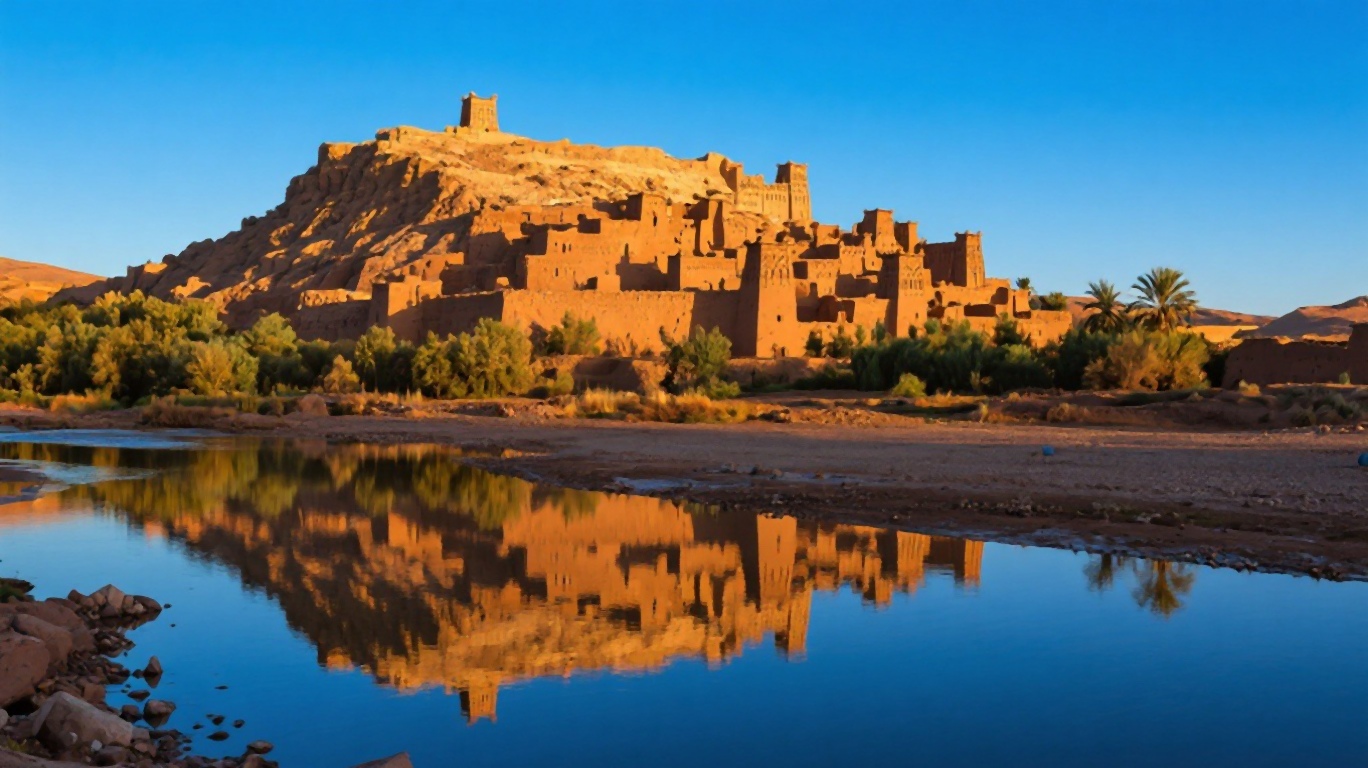
But first: Aït Benhaddou. This fortified village (ksar) sits about 30 km before Ouarzazate and looks exactly like it does in every movie that’s ever used it as a backdrop — because dozens have. The UNESCO-listed kasbah rises in tiers of red-brown pisé clay, and a handful of families still live inside. Entry is free, though a guide at the gate will strongly suggest otherwise (a tip of 50 MAD / $5 is appropriate if you take one). Cross the shallow riverbed on foot, climb to the granary at the top for a panoramic view, and allow about 90 minutes. It’s genuinely stunning, even with the tourist crowds.
Past Ouarzazate, the Valley of Roses around Kelaat M’Gouna is worth a stop if you’re here in April or May during harvest — the whole valley smells of damask roses, and the Rose Festival in mid-May is a major local celebration. Outside of rose season, it’s a pleasant but unremarkable drive-through. The Dades Gorge, another 50 km east, is more consistently impressive: a narrow canyon with sheer red walls and a road that switchbacks up the cliff face in a series of gut-dropping turns. Hôtel La Kasbah de la Vallée in the gorge offers comfortable rooms from 400 MAD ($40) with gorge views from the terrace, and dinner is included.
Planning tip: If you’re not renting a car (I didn’t — more on that in Chapter 8), the most practical option for the Marrakech-to-Sahara leg is a shared tour or private driver. Three-day/two-night Marrakech-to-Fes desert tours run 1,500–3,000 MAD ($150–$300) per person including transport, accommodation, and the camel trek. I booked through Morocco Desert Trips and it was solid — not luxurious, but well-organised.
5. SAHARA DESERT: MERZOUGA AND ERG CHEBBI
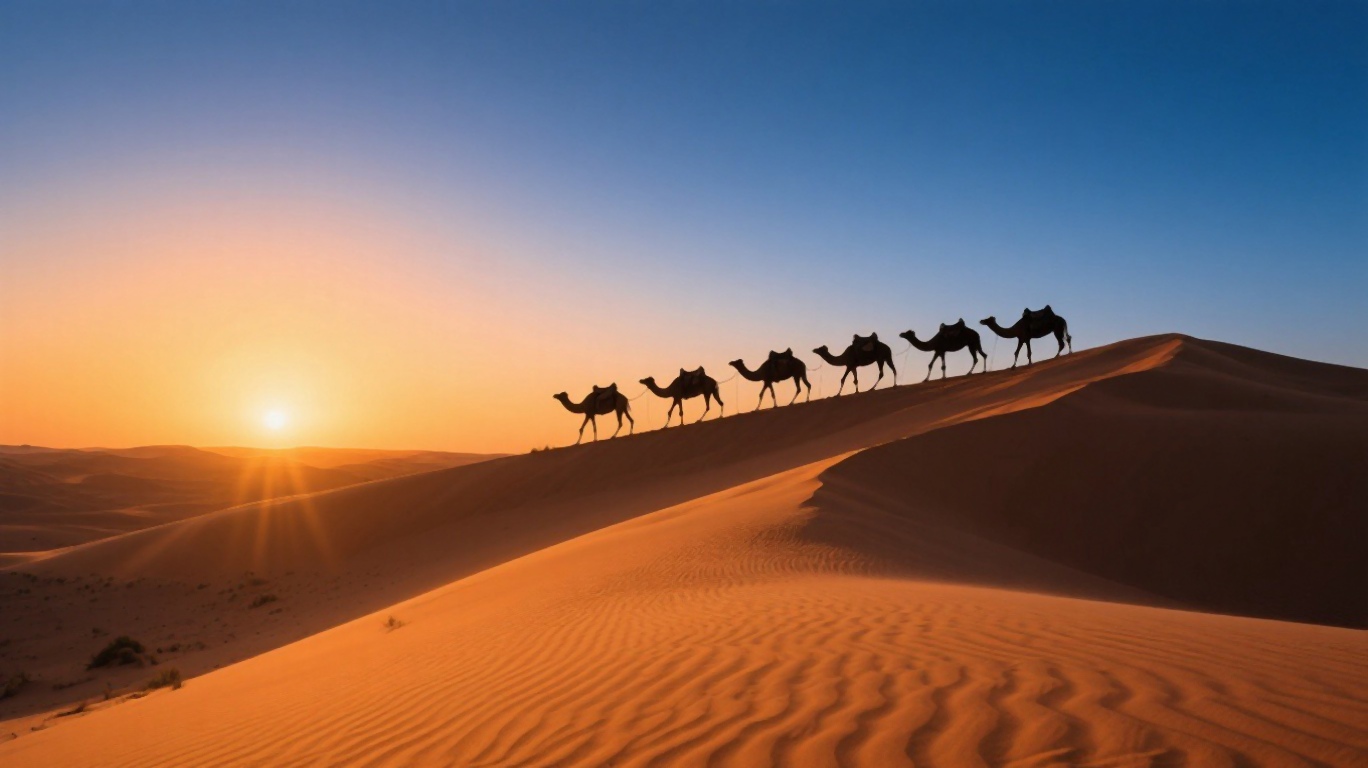
I’ve seen a lot of deserts. The Sahara at Erg Chebbi is a different thing entirely. The dunes near Merzouga rise to 150 meters — proper sand mountains, not the gentle ripples you get in other parts of North Africa. They glow orange at sunrise and turn almost burgundy at sunset, and the silence, once you’re twenty minutes out by camel, is absolute. No wind. No birds. No engines. Just your own breathing and the rhythmic padding of camel feet in sand.
The camel trek to the desert camp takes about 90 minutes. My camel was named Hassan, which is also what the camel guide was named, which caused some confusion. The riding itself is uncomfortable — there’s no saddle that makes a camel’s lurching gait pleasant for more than an hour. But the arrival at camp, as the dunes turn gold in the last light, makes the bruised thighs worth it. Most camps offer a similar setup: large Berber tents with actual beds, a communal dinner of couscous or tagine, drumming around a fire, and then a sky so dense with stars it looks artificial.
I stayed at Luxury Desert Camp Merzouga, which despite the name is mid-range at best (800 MAD / $80 per person including camel trek, dinner, and breakfast). The tents had real mattresses and shared bathrooms with running water — not glamping, but not roughing it either. True luxury camps like Merzouga Luxury Desert Camp by Erg Chebbi run 2,000–3,000 MAD ($200–$300) per person with private en-suite tents and hot showers. Budget travellers can find basic camps for 400–500 MAD ($40–$50) that are perfectly adequate if you manage your expectations — you’re sleeping in the Sahara, the tent is secondary.
Wake-up for sunrise is around 5:30 a.m. I climbed the dune behind our camp barefoot (the sand is cool before dawn, not cold) and watched the light spill across the Erg Chebbi field as the sky turned from grey to pink to blazing white. Cliché or not, it’s one of those travel moments that lives up to the postcard. The ride back to Merzouga in the morning is faster — mostly because the camels know breakfast is waiting.
Planning tip: Bring a headlamp, warm layers for the night (the desert drops to 5–10°C after dark, even in spring), and a bandana or scarf for sand. Phone batteries drain fast in extreme heat — bring a power bank. Sand gets into everything. Everything. Pack accordingly.
6. FES EL-BALI: THE WORLD’S LARGEST MEDINA
If Marrakech’s medina is a maze, Fes el-Bali is the maze’s older, darker, more complicated sibling. With over 9,000 alleyways — many of them dead ends — the medieval heart of Fes is the largest car-free urban area on Earth. Donkeys are the primary mode of transport. You will hear “balak! balak!” (move aside) shouted behind you roughly every three minutes as a loaded mule squeezes past. The medina smells of cedar, spice, wet leather, and occasionally raw sewage. It is utterly, compulsively fascinating.
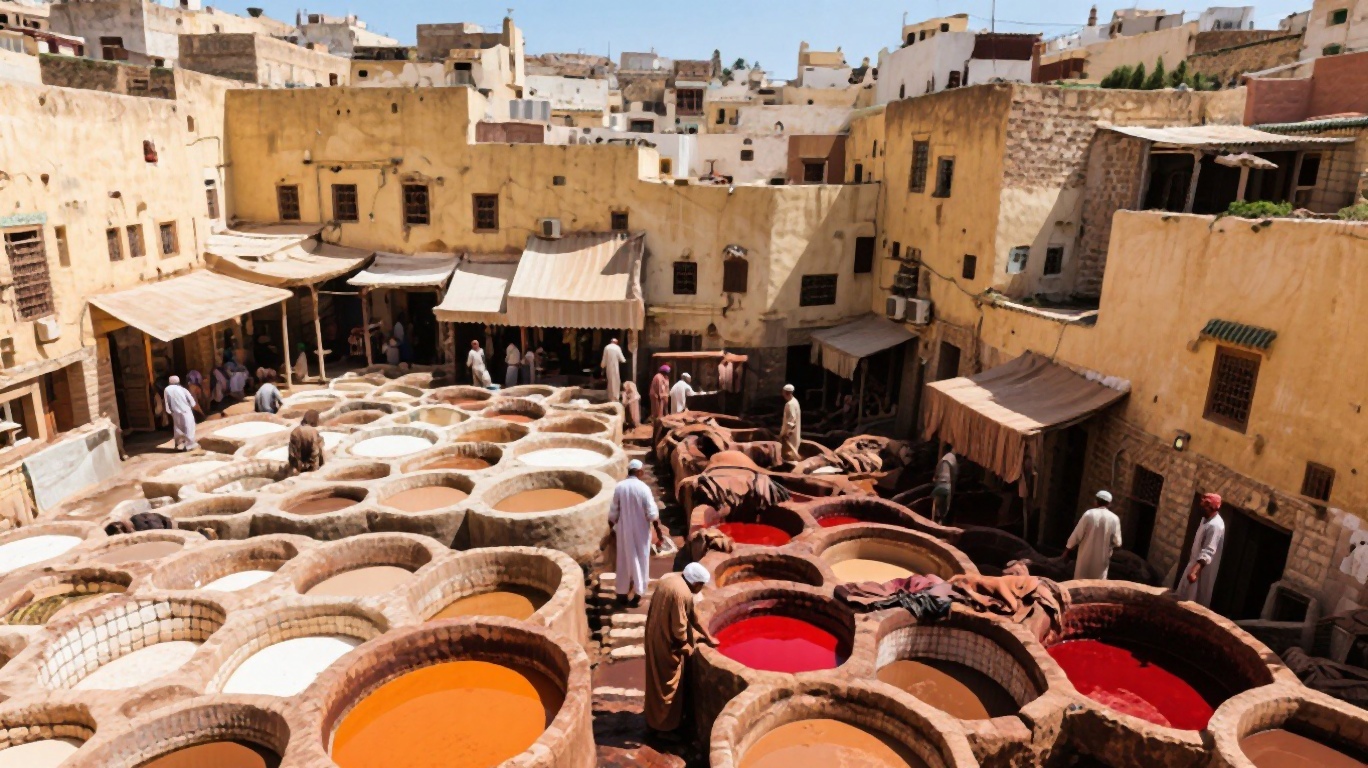
The Chouara Tannery is Fes’s most famous sight, and there’s no way to experience it without being led to a surrounding leather shop’s terrace first. The shopkeepers will hand you a sprig of mint to hold under your nose (the tanning pits use pigeon droppings and cow urine — the smell is profound) and then attempt to sell you a leather bag for the next forty-five minutes. The view of the dye pits from above — circles of white, saffron, rust, and indigo — is genuinely photogenic, especially in morning light. You don’t have to buy anything, but a small purchase or a 20 MAD ($2) tip for terrace access is expected. Don’t pay more than that for the view alone.
Bou Inania Madrasa (30 MAD / $3) is the one religious building in Fes open to non-Muslim visitors, and it’s a masterwork of Marinid architecture — carved stucco, zellige tilework, and a muqarnas ceiling that looks like it was designed by an algorithm, not a 14th-century craftsman. The courtyard is small enough to feel intimate, and the students who once studied here left their presence in the worn marble floors. Visit early; by midday the courtyard is shoulder-to-shoulder with tour groups.
Getting lost in Fes el-Bali is not a failure of navigation — it’s the whole point. I spent an entire afternoon without a destination, following the sound of a coppersmith hammering, then the scent of bread baking in a communal wood-fired oven (fernatchi), then a cat through a doorway into a tiny square where old men played cards under a fig tree. The medina rewards aimlessness. If you truly can’t find your way out, any child will guide you to a gate for 10 MAD ($1), and you can orient from there.
Planning tip: Hire a licensed guide for your first half-day in Fes. The Fes medina is significantly harder to navigate than Marrakech’s, and a good guide will take you to workshops and viewpoints you’d never find solo. Arrange one through your accommodation — official rates are around 350 MAD ($35) for a half-day. Avoid anyone who approaches you at Bab Boujloud; they’re unlicensed and the experience is usually a string of carpet shops.
7. CHEFCHAOUEN: THE BLUE CITY
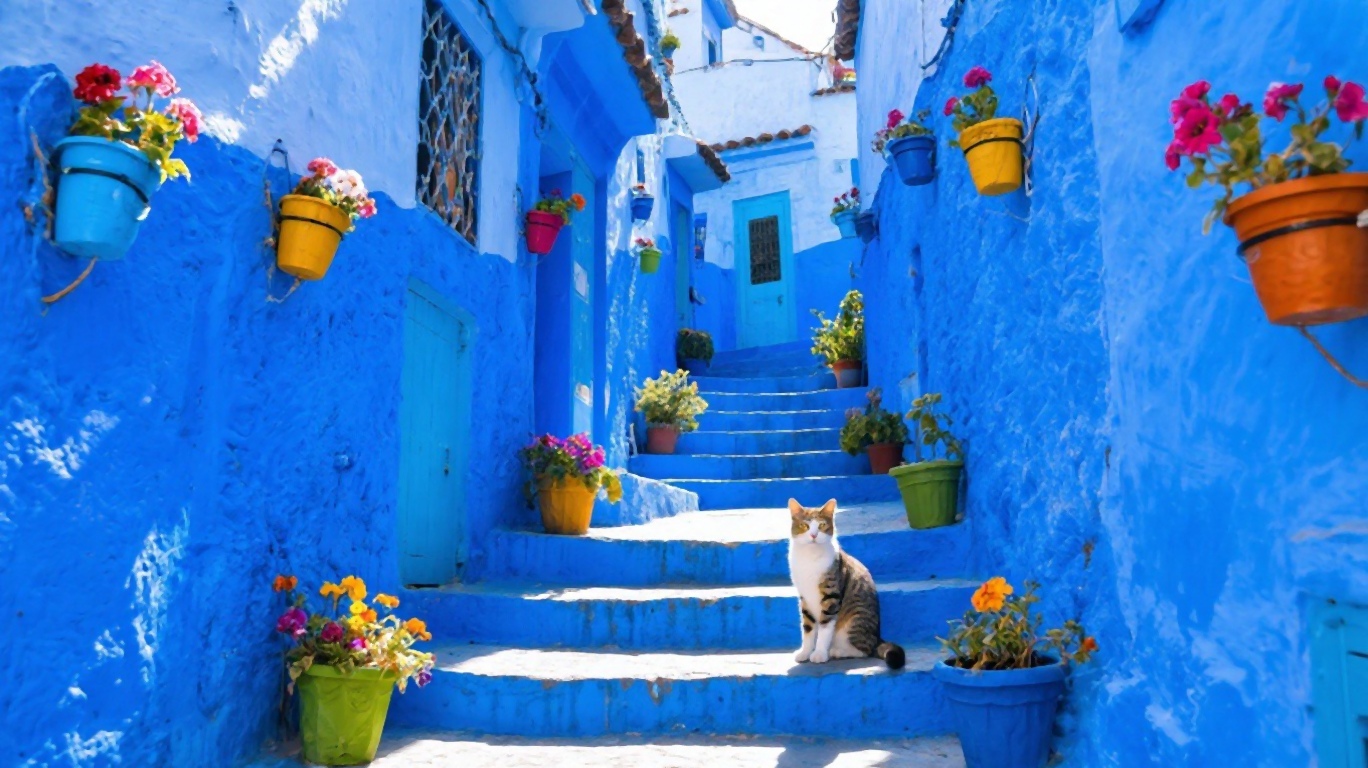
After the intensity of Fes and the Sahara, Chefchaouen felt like exhaling. This small mountain town in the Rif Mountains is famous for one thing — its buildings are painted in every shade of blue, from powder to cobalt to deep indigo — and that one thing is enough. The effect is surreal: you walk through alleyways that look like they’ve been dipped in the sky, with terracotta pots of geraniums providing the only colour contrast. It’s almost aggressively photogenic. Every corner is a composition.
The blue-washing tradition has various origin stories — Jewish refugees painted their homes blue in the 1930s to symbolize heaven, or the colour repels mosquitoes, or it simply keeps things cool. Whatever the reason, the town maintains it rigorously, repainting every year before tourist season. The main square, Place Outa el-Hammam, is lined with restaurants that are fine but overpriced by Moroccan standards — a tagine here runs 70–90 MAD ($7–$9), versus 40–50 MAD in Fes or Marrakech. I preferred Restaurant Beldi Bab Ssour, tucked behind the kasbah, where a three-course lunch with a view of the valley cost 65 MAD ($6.50).
The Kasbah Museum (70 MAD / $7) in the main square has a pleasant Andalusian garden and a modest ethnographic collection. More rewarding is the walk to Ras El Maa, a small waterfall at the eastern edge of town where the river emerges from the mountains. Local women do laundry on the rocks, kids swim in the pools below, and the path continues uphill into the Rif Mountains. The hike to the Spanish Mosque (a ruined mosque on a hillside above town — about 30 minutes uphill) gives you the classic Chefchaouen panorama: a blue town nestled in green mountains under a blue sky. Go for sunset.
Chefchaouen is a one-day town, honestly. Two days if you want to hike or if you need to decompress from travel fatigue, which I did. The town’s relaxed pace and the absence of Marrakech-style hassle make it a good place to do nothing. Read a book. Drink mint tea. Watch cats navigate blue stairs. That’s enough.
Planning tip: Chefchaouen is a 4-hour bus ride from Fes via CTM (75 MAD / $7.50) or a 3-hour drive. If you’re heading to Tangier afterward for a flight or ferry, Chefchaouen is a natural stopover. Casa Perleta is a charming guesthouse with blue-tiled rooms from 500 MAD ($50) and a rooftop terrace overlooking the medina.
8. GETTING AROUND MOROCCO
Morocco’s transport network is better than you might expect, but it requires some flexibility and a high tolerance for ambiguity. The backbone is CTM (the national bus company) and ONCF (the national rail service). CTM buses are air-conditioned, reasonably punctual, and cheap: Marrakech to Fes runs about 190 MAD ($19) for the eight-hour ride. Book online at ctm.ma or at the station — seats sell out on popular routes, especially around holidays. Supratours, owned by the railway company, covers similar routes and is equally reliable.
Trains serve the Marrakech–Casablanca–Rabat–Fes–Tangier corridor and are the most comfortable option where available. First class on the Marrakech-to-Fes train costs 295 MAD ($29.50) and takes about seven hours with a change at Sidi Kacem. The new Al Boraq high-speed train between Tangier and Casablanca cuts that trip to two hours and is worth experiencing for the novelty alone (250 MAD / $25 first class).
Grands taxis — typically old Mercedes sedans that seat six passengers — fill the gaps between cities and towns that buses don’t serve frequently. They leave when full, not on a schedule, and the experience ranges from efficient to chaotic. Fes to Chefchaouen by grand taxi costs about 75 MAD ($7.50) per person and takes three hours. You can also buy all six seats (450 MAD / $45) to leave immediately and have space to breathe. Within cities, petits taxis (small cars, metered) are the standard — insist on the meter in Marrakech, where drivers routinely “forget” to turn it on. A cross-town petit taxi ride should cost 15–30 MAD ($1.50–$3).
I did not rent a car, and I’d only recommend it if you’re experienced with aggressive driving cultures. Moroccan roads outside cities are generally fine, but lane discipline is a concept, not a practice. Overtaking into oncoming traffic is standard. Speed bumps appear without warning. Donkeys share the highway. If you do drive, an international driving permit is technically required, though I’ve heard enforcement is inconsistent. Budget 300–500 MAD ($30–$50) per day for a basic rental plus fuel.
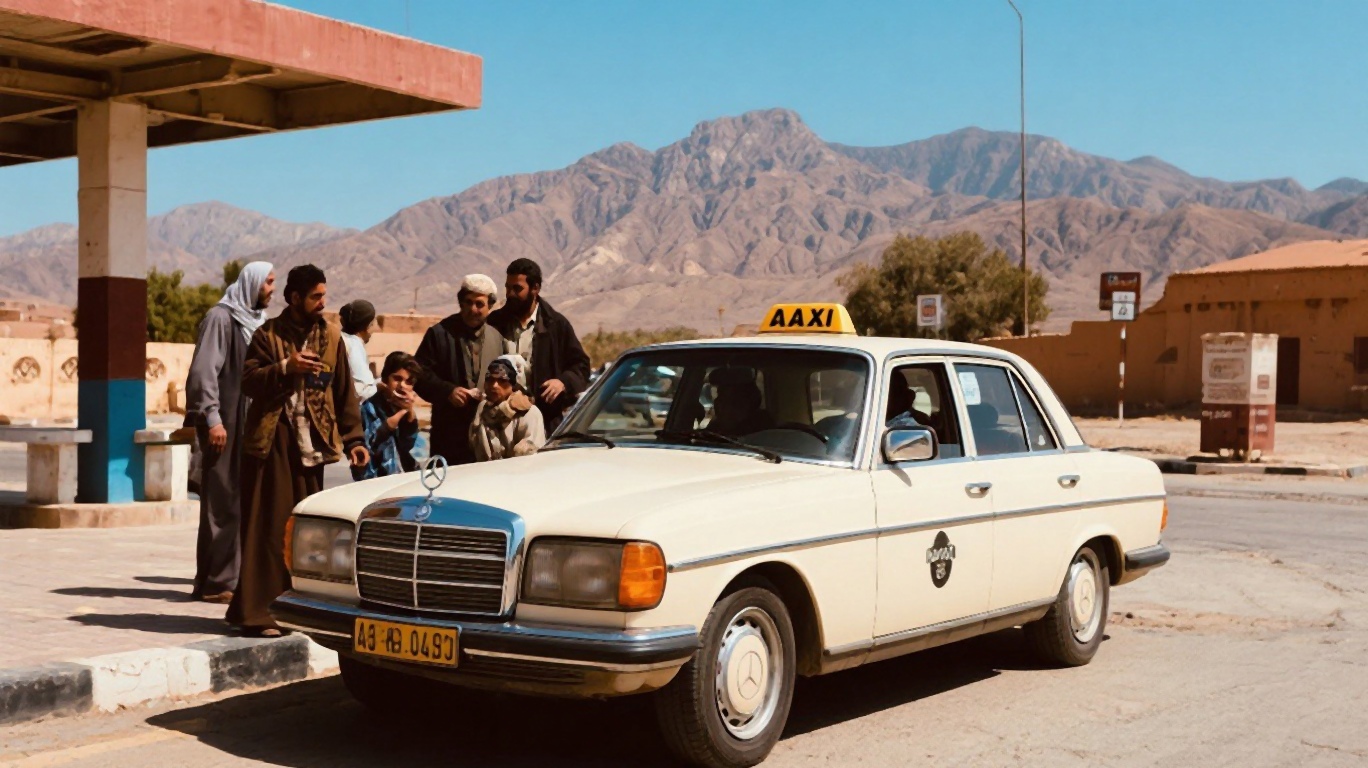
Planning tip: For the Marrakech-to-Sahara-to-Fes segment, a shared or private desert tour is the most practical option. Self-driving this route requires confidence on mountain passes. Private drivers charge 1,200–1,800 MAD ($120–$180) per day for a 4×4 with fuel — expensive, but split among three or four travellers it’s competitive with the tours.
9. BUDGET BREAKDOWN
Morocco is cheap by European standards but no longer the bargain it was a decade ago. Tourism has pushed prices up in Marrakech and Fes, though you can still eat well for very little and find good accommodation at every price point. Here’s a realistic breakdown across three budgets for a seven-day trip, per person:
| Category | Budget | Mid-Range | Splurge |
|---|---|---|---|
| Accommodation (per night) | 150–300 MAD ($15–$30) — hostels, basic riads | 500–1,000 MAD ($50–$100) — mid-range riads, boutique hotels | 2,000–5,000 MAD ($200–$500) — luxury riads, La Mamounia–level |
| Food (per day) | 80–150 MAD ($8–$15) — street food, market stalls, self-catering | 200–400 MAD ($20–$40) — sit-down restaurants, riad dinners | 500–1,000 MAD ($50–$100) — fine dining, wine with dinner |
| Transport (total, 7 days) | 500–800 MAD ($50–$80) — CTM buses, shared grands taxis | 1,500–2,500 MAD ($150–$250) — desert tour, trains, some private taxis | 4,000–8,000 MAD ($400–$800) — private driver throughout, domestic flights |
| Activities (total, 7 days) | 300–500 MAD ($30–$50) — palace entry, hiking, basic desert camp | 800–1,500 MAD ($80–$150) — guided tours, mid-range desert camp, cooking class | 2,000–4,000 MAD ($200–$400) — luxury desert camp, hot air balloon, private guides |
| 7-Day Total (per person) | 2,400–4,500 MAD ($240–$450) | 6,300–11,500 MAD ($630–$1,150) | 18,000–43,000 MAD ($1,800–$4,300) |
My own spend fell in the mid-range column: I stayed in decent riads, ate at restaurants most nights, took a shared desert tour, and used a mix of buses and grands taxis. My total for seven days, excluding flights, was about 8,200 MAD ($820). The biggest single expense was the Sahara desert tour at 2,500 MAD ($250) for two nights including transport from Marrakech to Fes.
A few notes on money: ATMs are widespread in cities and most accept international cards, but Merzouga and Chefchaouen have limited ATM access — withdraw cash in Fes or Marrakech before heading to either. Credit cards are accepted at upscale restaurants and hotels but virtually nowhere else. Carry small bills; breaking a 200 MAD note at a street stall can be a production.
Planning tip: Tipping is expected but not extravagant. At restaurants, 10% is generous. For riad staff, 20–50 MAD ($2–$5) per day for housekeeping is appreciated. Tip desert camp staff 50–100 MAD ($5–$10). Guides expect 100–200 MAD ($10–$20) for a half-day tour. Over-tipping distorts expectations for future travellers — be fair, not flashy.
10. MOROCCAN CULTURE AND SAFETY
Morocco is a Muslim-majority country, and understanding that context will make your trip better. This isn’t about restriction — it’s about respect. Dress modestly, especially in medinas and smaller towns: shoulders and knees covered for both men and women. I saw plenty of tourists in shorts and tank tops in Marrakech and nobody harassed them, but the looks of quiet disapproval were noticeable. In Chefchaouen and rural areas, conservative dress matters more. At the beach in Essaouira or Agadir, swimwear is fine.
Alcohol is available but not everywhere. Licensed restaurants and hotels in cities serve beer (30–50 MAD / $3–$5) and wine (60–120 MAD / $6–$12 per glass). Supermarkets like Carrefour and Acima sell alcohol in major cities. Drinking in public is illegal and deeply disrespectful — don’t do it. During Ramadan (which shifts yearly based on the lunar calendar — check dates for your trip), many restaurants close during daylight hours, and eating, drinking, or smoking in public during fasting hours is considered extremely rude. It’s not illegal for tourists, but it’s insensitive. Eat in your riad or behind closed doors.
Haggling is part of commerce in the souks, and there’s no fixed rule for how much to bargain down. The common advice of “start at a third of the asking price” is too simplistic — it depends on the item, the seller, and how much you want it. My approach: decide what the thing is worth to you, state that number, and don’t budge much. If the seller says no, walk away. If they chase you, you’re close to the real price. If they don’t, your offer was too low. Leather goods, ceramics, and rugs are the most commonly overpriced. Spices and food are rarely marked up much.
Scams exist, and pretending otherwise doesn’t help. The most common: someone “helpfully” guides you through the medina and then demands payment. Faux “official” guides who lead you to their brother’s carpet shop. The tannery terrace bait-and-switch (free view, aggressive leather sales pitch). Henna artists who paint your hand without consent and then demand 200 MAD. The monkey photo at Jemaa el-Fnaa (they put a monkey on you, photograph you, then charge 100 MAD). None of these are dangerous — they’re just annoying and designed to separate tourists from money. A firm “la shukran” (no thank you) and keeping walking handles 90% of it.
On safety: I felt safe throughout the trip, including walking alone at night in Marrakech and Fes medinas. Violent crime against tourists is rare. Petty theft — pickpocketing in crowded souks, bag-snatching on mopeds — is the main risk. Keep your phone in a front pocket, carry a cross-body bag, and don’t flash expensive cameras in quiet alleys. Women travelling solo will get more attention — verbal harassment (catcalling, persistent conversation) is a reality, especially in Marrakech. It’s rarely threatening but consistently irritating. Walking with purpose and ignoring it is the most effective response, according to every solo female traveller I spoke with on the trip.
Planning tip: Learn five Arabic phrases and use them constantly: “salaam alaikum” (peace be upon you — the standard greeting), “la shukran” (no thank you), “bslemah” (goodbye), “shukran” (thank you), and “bshhal?” (how much?). Even rough pronunciation shows effort, and the response from Moroccans is immediately warmer. French is widely spoken in cities if your Arabic fails entirely.
ROUTE AT A GLANCE
| Day | Location | Highlights | Sleep |
|---|---|---|---|
| 1 | Marrakech | Medina, Bahia Palace, Koutoubia, Jemaa el-Fnaa at night | Riad in medina |
| 2 | Marrakech + Atlas Mountains | Ourika Valley or Imlil day trip, riad dinner | Riad in medina |
| 3 | Marrakech → Dades Valley | Tizi n’Tichka pass, Aït Benhaddou, Dades Gorge | Hotel in Dades Valley |
| 4 | Dades Valley → Merzouga | Todra Gorge, arrival in Merzouga, camel trek to desert camp | Desert camp, Erg Chebbi |
| 5 | Merzouga → Fes | Sahara sunrise, drive to Fes (8–9 hours with stops) | Riad in Fes medina |
| 6 | Fes | Fes el-Bali, Chouara Tannery, Bou Inania Madrasa, medina wandering | Riad in Fes medina |
| 7 | Fes → Chefchaouen | Morning bus to Chefchaouen, blue medina, Ras El Maa, Spanish Mosque sunset | Guesthouse in Chefchaouen |
This article contains affiliate links. If you book accommodation, tours, or transport through our links, Drift Trails earns a small commission at no extra cost to you. We only recommend places and services we’ve personally used or thoroughly vetted. Our opinions are our own — nobody paid for a positive review.
Updated July 2026. Prices and schedules are based on the author’s travel in spring 2026 and may vary by season. Exchange rate used: 1 MAD = $0.10 USD (10 MAD = $1).
